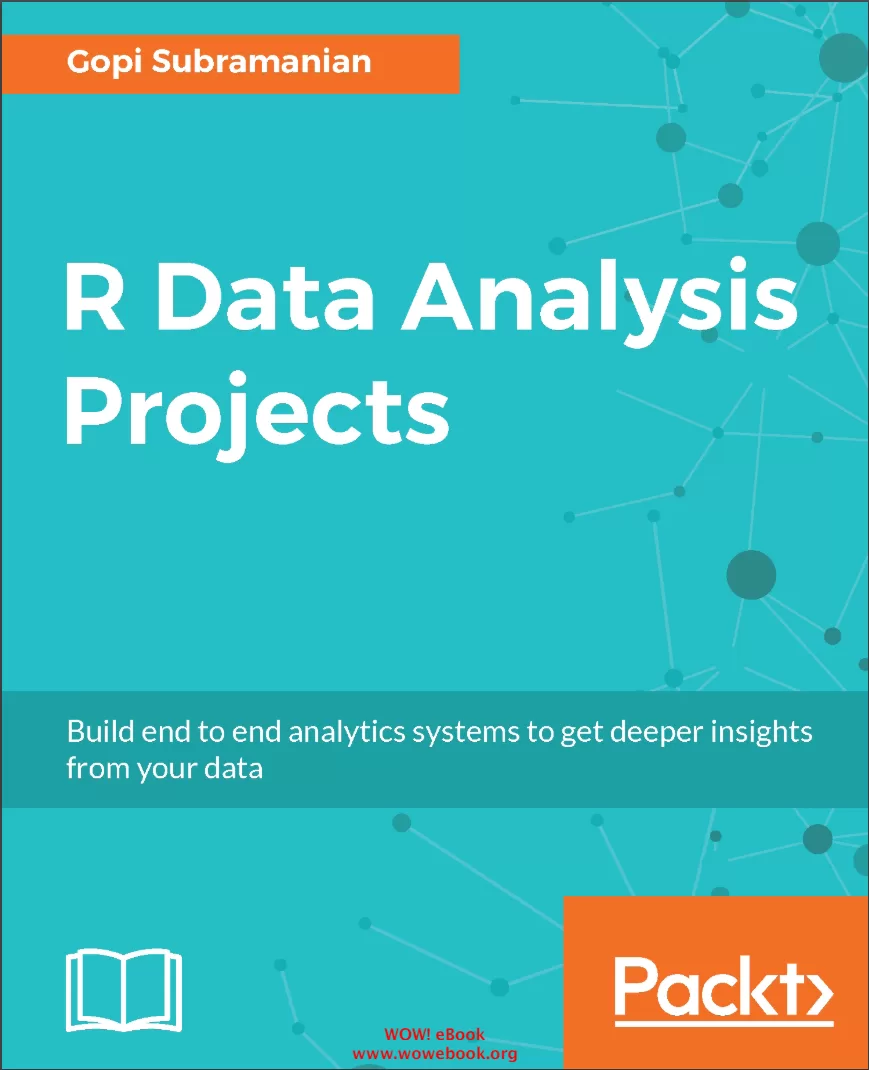
R Data Analysis Projects: Build end to end analytics systems to get deeper insights from your data
Оглавление⌄
Cover....1 Title Page....2 Copyright....3 Credits....4 About the Author....5 About the Reviewer....6 www.PacktPub.com....7 Customer Feedback....8 Table of Contents....9 Preface....13 Chapter 1: Association Rule Mining....18 Understanding the recommender systems....19 Transactions....20 Weighted transactions....21 Our web application....21 Retailer use case and data....22 Association rule mining....25 Support and confidence thresholds....37 The cross-selling campaign....42 Leverage ....45 Conviction....46 Weighted association rule mining....47 Hyperlink-induced topic search (HITS)....54 Negative association rules....62 Rules visualization....65 Wrapping up....69 Summary....77 Chapter 2: Fuzzy Logic Induced Content-Based Recommendation....78 Introducing content-based recommendation....80 News aggregator use case and data....84 Designing the content-based recommendation engine....89 Building a similarity index....92 Bag-of-words....92 Term frequency....93 Document frequency....93 Inverse document frequency (IDF)....93 TFIDF....94 Why cosine similarity?....97 Searching....98 Polarity scores....101 Jaccard's distance....103 Jaccards distance/index....104 Ranking search results....106 Fuzzy logic....107Fuzzification....107 Defining the rules....109 Evaluating the rules....109 Defuzzification....110 Complete R Code....119 Summary....125 Chapter 3: Collaborative Filtering....127 Collaborative filtering....128 Memory-based approach....130 Model-based approach....131 Latent factor approach....132 Recommenderlab package....134 Popular approach....136 Use case and data....138 Designing and implementing collaborative filtering....148 Ratings matrix....149 Normalization....151 Train test split....153 Train model....156 User-based models....161 Item-based models....164 Factor-based models....165 Complete R Code....167 Summary....173 Chapter 4: Taming Time Series Data Using Deep Neural Networks....174 Time series data....176 Non-seasonal time series....177 Seasonal time series....178 Time series as a regression problem....179 Deep neural networks....183 Forward cycle....186 Backward cycle....187 Introduction to the MXNet R package....187 Symbolic programming in MXNet....190 Softmax activation....194 Use case and data....196 Deep networks for time series prediction....198 Training test split....200 Complete R code....214 Summary....221 Chapter 5: Twitter Text Sentiment Classification Using Kernel Density Estimates....222 Kernel density estimation....224 Twitter text....229 Sentiment classification....230 Dictionary methods....231 Machine learning methods....231 Our approach....231 Dictionary based scoring....232 Text pre-processing....236 Term-frequeny inverse document frequency (TFIDF)....238 Delta TFIDF....239 Building a sentiment classifier....242 Assembling an RShiny application....246 Complete R code....250 Summary....254 Chapter 6: Record Linkage - Stochastic and Machine Learning Approaches....255 Introducing our use case....256 Demonstrating the use of RecordLinkage package....257 Feature generation....259 String features....261 Phonetic features....262 Stochastic record linkage....264 Expectation maximization method....264 Weights-based method....270 Machine learning-based record linkage....273 Unsupervised learning....273 Supervised learning....275 Building an RShiny application....280 Complete R code....283 Feature generation....284 Expectation maximization method....285 Weights-based method....286 Machine learning method....287 RShiny application....289 Summary....290 Chapter 7: Streaming Data Clustering Analysis in R....291 Streaming data and its challenges....292 Bounded problems....293 Drift....293 Single pass....293 Real time....294 Introducing stream clustering....294 Macro-cluster....295 Introducing the stream package....295 Data stream data....296 DSD as a static simulator....297 DSD as a simulator with drift....299 DSD connecting to memory, file, or database....303 Inflight operation....304 Can we connect this DSD to an actual data stream?....304 Data stream task....305 Use case and data....310 Speed layer....311 Batch layer....312 Reservoir sampling....314 Complete R code....317 Summary....320 Chapter 8: Analyze and Understand Networks Using R....321 Graphs in R....323 Degree of a vertex....327 Strength of a vertex....328 Adjacency Matrix....328 More networks in R....329 Centrality of a vertex....329 Farness and Closeness of a node....330 Finding the shortest path between nodes....330 Random walk on a graph....331 Use case and data....331 Data preparation....333 Product network analysis....338 Building a RShiny application....345 The complete R script....352 Summary....356 Index....357
Описание
Ниже — практический обзор по теме «analysis».
As a result, it’s one of the most popularly used languages by data scientists and analysts, or anyone who wants to perform data analysis. R offers a large variety of packages and libraries for fast and accurate data analysis and visualization. This book will demonstrate how you can put to use your existing knowledge of data analysis in R to build highly efficient, end-to-end data analysis pipelines without any hassle.
You’ll implement time-series modeling for anomaly detection, and understand cluster analysis of streaming data. You’ll start by building a content-based recommendation system, followed by building a project on sentiment analysis with tweets. You’ll work through projects on performing efficient market data research, building recommendation systems, and analyzing networks accurately, all provided with easy to follow codes.
With the help of these real-world projects, you’ll get a better understanding of the challenges faced when building data analysis pipelines, and see how you can overcome them without compromising on the efficiency or accuracy of your systems. The book covers some popularly used R packages such as dplyr, ggplot2, RShiny, and others, and includes tips on using them effectively.
By the end of this book, you’ll have a better understanding of data analysis with R, and be able to put your knowledge to practical use without any hassle.
What you will learnBuild end-to-end predictive analytics systems in RBuild an experimental design to gather your own data and conduct analysisBuild a recommender system from scratch using different approachesUse and leverage RShiny to build reactive programming applicationsBuild systems for varied domains including market research, network analysis, social media analysis, and moreExplore various R Packages such as RShiny, ggplot, recommenderlab, dplyr, and find out how to use them effectivelyCommunicate modeling results using Shiny DashboardsPerform multi-variate time-series analysis prediction, supplemented with sensitivity analysis and risk modeling
Файл доступен для загрузки ниже.
Поделиться
Частые вопросы
Можно ли скачать «R Data Analysis Projects: Build end to end analytics systems to get deeper insights from your data» бесплатно?
Да, «R Data Analysis Projects: Build end to end analytics systems to get deeper insights from your data» доступна для бесплатного скачивания на нашем сайте в формате PDF. Ссылка на файл находится на этой странице.
В каком формате и какого размера файл?
Книга предоставляется в формате PDF, размер файла 2,4 МБ.
Кто автор и когда вышла книга?
автор — Subramanian Gopi, издательство Packt Publishing Limited, год выпуска 2017, 361 страниц.
О чём книга «R Data Analysis Projects: Build end to end analytics systems to get deeper insights from your data»?
R offers a large variety of packages and libraries for fast and accurate data analysis and visualization.
Похожие материалы
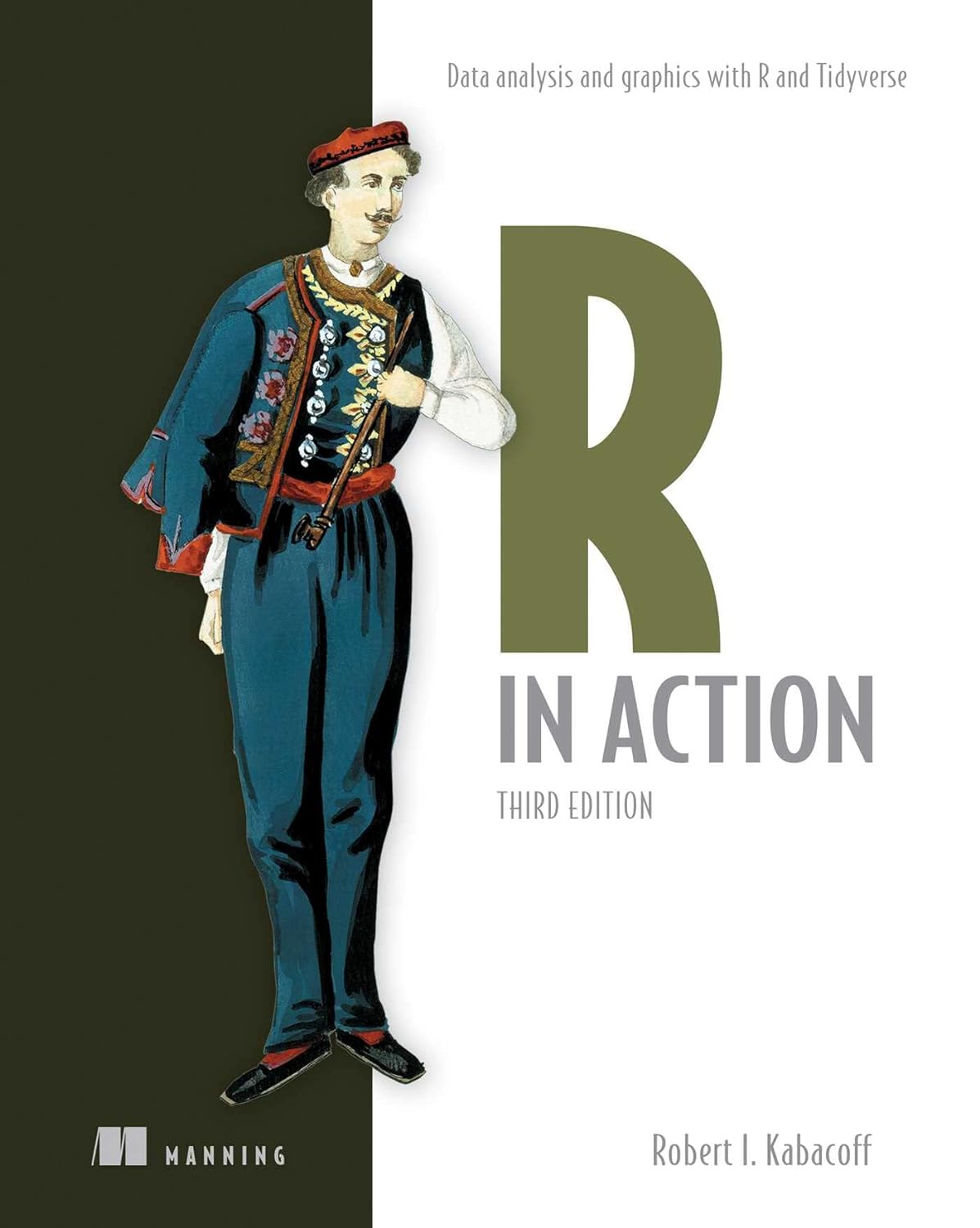 R in Action: Data analysis and graphics with R and Tidyverse. 3 Ed
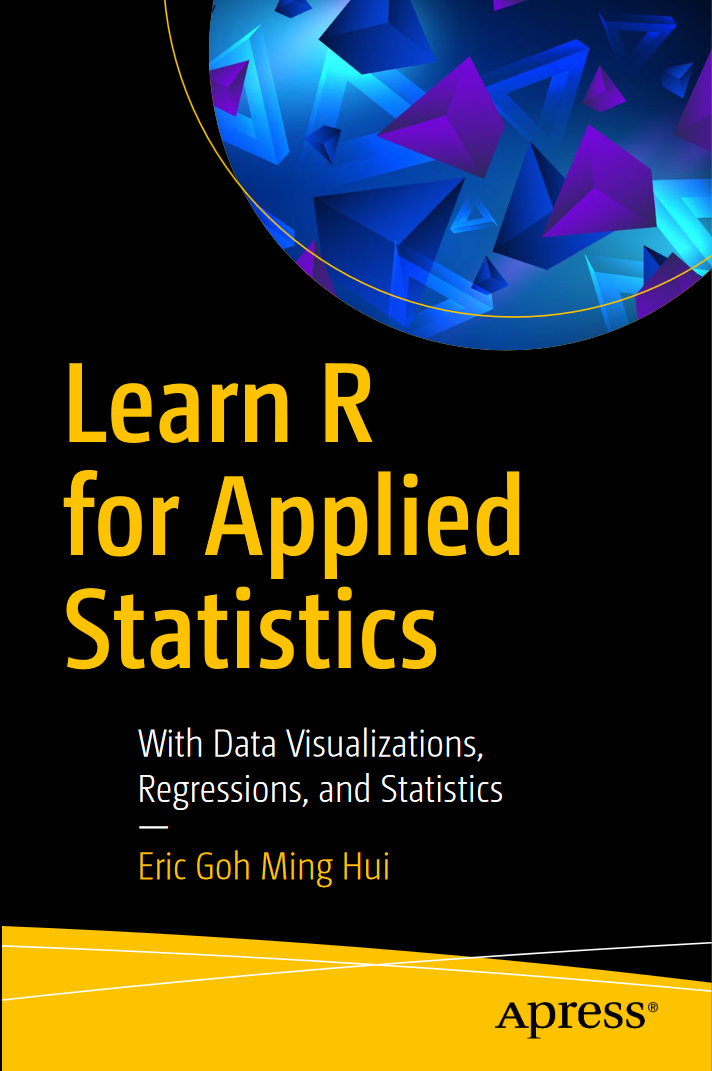 Learn R for Applied Statistics: With Data Visualizations, Regressions, and Statistics
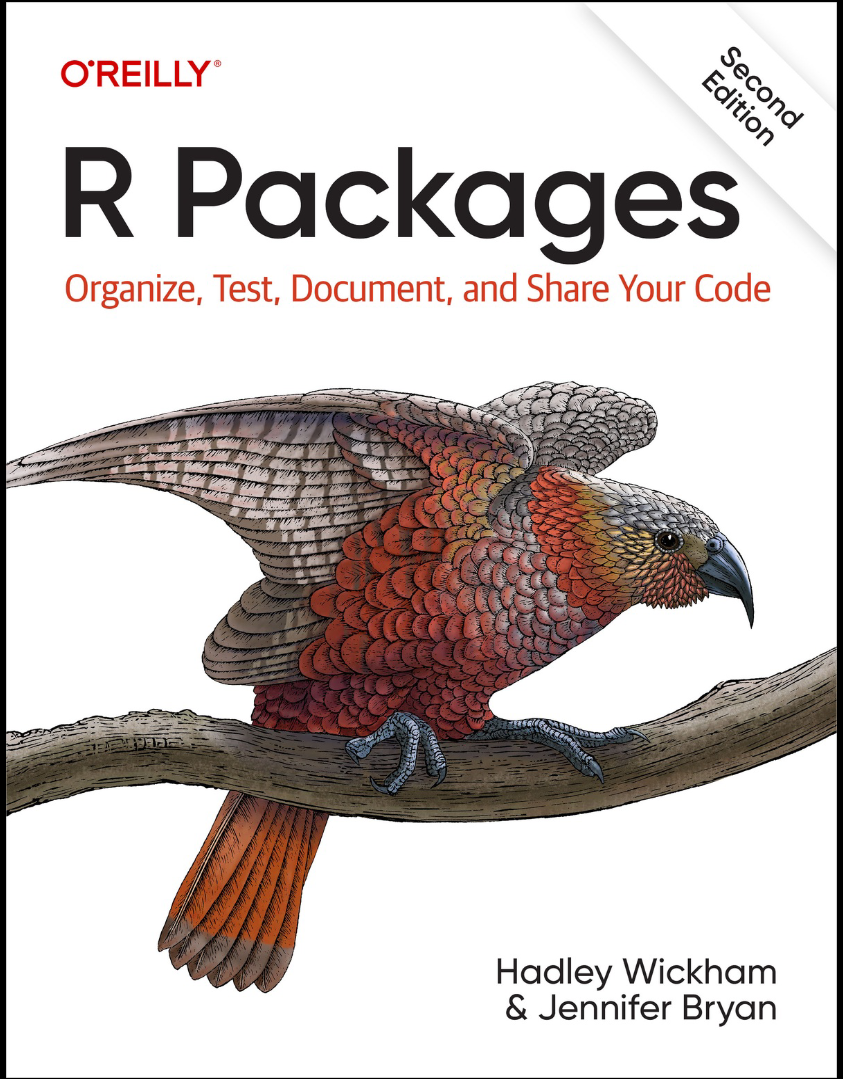 R Packages: Organize, Test, Document, and Share Your Code. 2 Ed
 Domain-Specific Languages in R: Advanced Statistical Programming
 Глубокое обучение с R и Keras. 2 изд
 R. Книга рецептов
 Introduction to Deep Learning Using R: A Step-by-Step Guide to Learning and Implementing Deep Learning Models Using R
 Искусство программирования на R. Погружение в большие данные