Python GUI Programming with Tkinter: Design and build functional and user-friendly GUI applications. 2 Ed

Оглавление⌄
Preface....19 Who this book is for....20 What this book covers....21 To get the most out of this book....22 Get in touch....26 Introduction to Tkinter....28 Introducing Tkinter and Tk....29 Choosing Tkinter....29 Installing Tkinter....31 Installing Python 3.9 on Windows....31 Installing Python 3 on macOS....32 Installing Python 3 and Tkinter on Linux....32 Introducing IDLE....32 Using the shell mode of IDLE....33 Using the editor mode of IDLE....33 IDLE as a Tkinter example....34 Creating a Tkinter Hello World....36 An overview of basic Tkinter....39 Building a GUI with Tkinter widgets....39 Arranging our widgets with geometry managers....45 Making the form actually do something....50 Handling data with Tkinter control variables....53 Using control variables in a callback function....58 The importance of control variables....60 Summary....61 Designing GUI Applications....62 Analyzing a problem at ABQ AgriLabs....63 Assessing the problem....63 Gathering information about the problem....64 Interviewing the interested parties....65 Analyzing what we've found out....67 Information from the data originators....68 Information from the users of the application....70 Information from technical support....71 Information from the data consumer....72 Documenting specification requirements....73 Contents of a simple specification....73 Writing the ABQ data entry program specification....75 Designing the application....78 Deciding on input widgets....78 Grouping our fields....81 Laying out the form....82 Laying out the application....84 Evaluating technology options....86 Summary....88 Creating Basic Forms with Tkinter and Ttk Widgets....90 The Ttk widget set....90 The Label widget....92 The Entry widget....93 The Spinbox widget....94 The Checkbutton widget....95 The Radiobutton widget....97 The Combobox widget....98 The Text widget....99 Text widget indices....101 The Button widget....102 The LabelFrame widget....103 Implementing the application....105 First steps....106 Building the data record form....108 The Record Information section....108 The Environment Data section....111 The Plant Data section....112 Finishing the GUI....114 Writing the callback functions....115 The Reset function....115 The Save callback....116 Finishing up and testing....120 Summary....121 Organizing Our Code with Classes....123 A primer on Python classes....123 The advantages of using classes....124 Classes are an integral part of Python....124 Classes make relationships between data and functions explicit....125 Classes help create reusable code....125 Syntax of class creation....125 Attributes and methods....126 Magic attributes and methods....129 Public, private, and protected members....131 Inheritance and subclasses....133 Using classes with Tkinter....134 Improving Tkinter classes....135 Creating compound widgets....137 Building encapsulated components....139 Subclassing Tk....142 Rewriting our application using classes....145 Adding a StringVar to the Text widget....145 Passing in a variable....146 Synchronizing the widget to the variable....147 Synchronizing the variable to the widget....147 Creating a more advanced LabelInput()....149 Creating a form class....152 Creating an application class....158 Summary....161 Reducing User Error with Validation and Automation....163 Validating user input....163 Strategies to prevent data errors....164 Validation in Tkinter....165 The validate argument....166 The validatecommand argument....166 The invalidcommand argument....169 Creating validated widget classes....170 Creating a Date field....172 Implementing validated widgets in our GUI....176 Introducing the power of multiple inheritance....177 Building a validating mixin class....180 Building validating input widgets with ValidatedMixin....183 Requiring data....184 Creating a Date widget....184 A better Combobox widget....185 A range-limited Spinbox widget....188 Validating Radiobutton widgets....192 Updating our form with validated widgets....195 Implementing validation interaction between form widgets....197 Dynamically updating the Spinbox range....198 Dynamic disabling of fields....204 Displaying errors....206 Preventing form submission on error....207 Automating input....210 Date automation....211 Automating Plot, Lab, Time, and Technician....212 Summary....214 Planning for the Expansion of Our Application....215 Separating concerns....216 The MVC pattern....216 What is a model?....217 What is a view?....217 What is a controller?....218 Why complicate our design?....219 Structuring our application directory....220 Basic directory structure....220 The abq_data_entry.py file....221 The README.rst file....222 Populating the docs folder....223 Making a Python package....224 Splitting our application into multiple files....226 Creating the models module....226 Moving the widgets....233 Moving the views....234 Removing redundancy in our view logic....236 Using custom events to remove tight coupling....239 Creating the application file....241 Running the application....243 Using version control software....244 A super-quick guide to using Git....245 Initializing and configuring a Git repository....246 Adding and committing code....246 Viewing and using our commits....248 Summary....249 Creating Menus with Menu and Tkinter Dialogs....250 Solving problems in our application....251 Planning solutions to the issues....251 Implementing Tkinter dialogs....253 Error dialogs with the Tkinter messagebox....253 Showing error dialogs in ABQ Data Entry....256 Using filedialog....258 Using simpledialog and creating a custom dialog....262 Creating a Login dialog using simpledialog....263 Incorporating the LoginDialog in our class....266 Designing the application menu....269 The Tkinter Menu widget....270 Using Checkbutton and Radiobutton items....272 Implementing the ABQ application menu....275 Adding a Help menu....276 Adding a File menu....277 Adding a settings menu....280 Finishing the menu....283 Persisting settings....283 Building a model for settings persistence....285 Using the settings model in our application....289 Summary....291 Navigating Records with Treeview and Notebook....293 Implementing read and update in the model....293 Adding read and update to the CSVModel class....294 Implementing get_all_records()....295 Implementing get_record()....298 Adding update capability to save_record()....298 The Ttk Treeview....300 Anatomy of a Treeview....301 Building a file browser....302 Creating and configuring a Treeview....303 Populating a Treeview with data....305 Sorting Treeview records....308 Using Treeview virtual events....312 Implementing a record list with Treeview....313 Creating the RecordList class....314 Configuring a Treeview widget....315 Adding a scrollbar for the Treeview....317 Populating the Treeview....319 Adding the record list to the application....320 Modifying the record form for read and update....321 Adding a current record property....321 Adding a label to show what is being edited....322 Adding a load_record() method....322 Updating the application layout....324 The Ttk Notebook widget....325 Adding a notebook to our application....328 Adding and updating application callbacks....329 The _show_recordlist() method....329 The _populate_recordlist() method....330 The _new_record() method....332 The _open_record() method....333 The _on_save() method....334 Main menu changes....334 Testing our program....335 Summary....336 Improving the Look with Styles and Themes....338 Working with images in Tkinter....339 Tkinter PhotoImage....339 PhotoImage and variable scope....340 Using Pillow for extended image support....341 Adding the company logo to ABQ Data Entry....345 Dealing with the image path problem....346 Setting a window icon....349 Adding icons to buttons and menus....350 Using BitmapImage....354 Styling Tkinter widgets....356 Widget color properties....357 Using widget properties on the MainMenu....357 Styling widget content with tags....360 Styling our record list with tags....363 Working with fonts in Tkinter....367 Configuring Tkinter fonts....367 Configuring fonts with strings and tuples....367 The font module....368 Giving users font options in ABQ Data Entry....373 Styling Ttk widgets....376 TTk styling breakdown....376 Exploring a Ttk widget....377 Using themes....383 Adding some color to ABQ Data Entry....384 Adding styles to individual form widgets....386 Fixing the error colors....389 Styling input widgets on error....390 Setting themes....393 Building a theme selector....393 Summary....396 Maintaining Cross-Platform Compatibility....398 Writing cross-platform Python....398 Filenames and file paths across platforms....399 Path separators and drives....399 Case sensitivity....403 Symbolic links....404 Path variables....405 Inconsistent library and feature support....407 Python's platform-limited libraries....407 Checking low-level function compatibility....408 The dangers of the subprocess module....409 Text file encodings and formats....410 Graphical and console modes....411 Writing code that changes according to the platform....413 Writing cross-platform Tkinter....416 Tkinter version differences across platforms....416 Application menus across platforms....417 Menu widget capabilities....417 Menu guidelines and standards....421 Menus and accelerator keys....423 Cross-platform fonts....423 Cross-platform theme support....424 Window zoomed state....424 Improving our application's cross-platform compatibility....425 Storing preferences correctly....425 Specifying an encoding for our CSV file....427 Making platform-appropriate menus....428 Preparing our MainMenu class....428 Adding accelerators....432 Building the Windows menu....434 Building the Linux menu....436 Building the macOS menu....437 Creating and using our selector function....441 Summary....443 Creating Automated Tests with unittest....444 Automated testing basics....444 A simple unit test....445 The unittest module....447 Writing a test case....448 TestCase assertion methods....450 Fixtures....452 Using Mock and patch....453 Running multiple unit tests....455 Testing Tkinter code....456 Managing asynchronous code....456 Simulating user actions....457 Specifying an event sequence....457 Managing focus and grab....459 Getting widget information....460 Writing tests for our application....461 Testing the data model....461 Testing file reading in get_all_records()....463 Testing file saving in save_record()....465 More tests on the models....468 Testing our Application object....468 Testing our widgets....473 Unit testing the ValidatedSpinbox widget....474 Integration testing the ValidatedSpinbox widget....476 Testing our mixin class....482 Summary....484 Improving Data Storage with SQL....485 PostgreSQL....486 Installing and configuring PostgreSQL....486 Configuring PostgreSQL using the GUI utility....487 Configuring PostgreSQL using the command line....488 Modeling relational data....489 Primary keys....489 Using surrogate primary keys....490 Normalization....492 First normal form....492 Second normal form....494 Third normal form....495 More normalization forms....496 Entity-relationship diagrams....496 Assigning data types....498 Creating the ABQ database....500 Creating our tables....500 Creating the lookup tables....500 The lab_checks table....502 The plot_checks table....503 Creating a view....504 Populating the lookup tables....506 Connecting to PostgreSQL with psycopg2....506 psycopg2 basics....507 Parameterized queries....509 Special cursor classes....512 Integrating SQL into our application....513 Creating a new model....513 Saving data....518 Getting the current seed sample for the plot....521 Adjusting the Application class for the SQL backend....522 Implementing SQL logins....523 Updating the Application._on_save() method....524 Removing file-based code....525 Adjusting the DataRecordForm for SQL data....526 Reordering fields....526 Fixing the load_record() method....527 Improving auto-fill....527 Updating the RecordList for the SQLModel....529 We're done!....532 Summary....533 Connecting to the Cloud....534 HTTP using urllib....534 HTTP transaction fundamentals....535 HTTP status codes....536 Basic downloading with urllib.request....536 Generating POST requests....538 Downloading weather data to ABQ Data Entry....539 Creating a weather data model....539 Parsing the XML weather data....541 Implementing weather data storage....544 Adding the GUI elements for weather download....547 RESTful HTTP using requests....550 Understanding RESTful web services....550 The Python requests library....552 Installing and using requests....552 Interacting with authenticated sites using Session....554 The requests.Response object....555 Implementing a REST backend....556 The authenticate() method....559 The upload_file() method....561 The check_file() method....561 The get_file() method....562 Integrating REST upload into the application....563 Creating a CSV extract....563 Creating the upload callback....564 Finishing up....568 SFTP using paramiko....570 Setting up SSH services for testing....570 Installing and using paramiko....571 Using paramiko....571 Inspecting our connection....574 Using SFTP....574 Implementing an SFTP model....576 Uploading files....578 Checking a file's existence....580 Using SFTPModel in our application....581 Finishing up....584 Summary....585 Asynchronous Programming with Thread and Queue....587 Tkinter's event queue....588 Event queue control....588 The update() methods....588 The after() methods....589 Common uses of event queue control....591 Smoothing out display changes....591 Mitigating GUI freezes....592 Running code in the background with threads....595 The threading module....596 Tkinter and thread safety....597 Converting our network functions to threaded execution....598 Using the threaded uploader....600 Passing messages using a queue....601 The Queue object....602 Using queues to communicate between threads....603 Adding a communication queue to our threaded uploader....606 Creating a communications protocol....607 Sending messages from the uploader....609 Handling queue messages....610 Using locks to protect shared resources....612 Understanding the Lock object....613 Using a Lock object to prevent concurrent uploads....615 Threading and the GIL....616 Summary....617 Visualizing Data Using the Canvas Widget....618 Drawing and animation with Tkinter's Canvas....618 Drawing on the Canvas....619 Rectangles and squares....619 Ovals, circles, and arcs....621 Lines....622 Polygons....623 Text....624 Images....624 Tkinter widgets....625 Canvas items and state....626 Canvas object methods....626 Scrolling the Canvas....628 Animating Canvas objects....631 Setting up the playing field....632 Setting our players....633 Animating the racers....634 Running the game loop and detecting a win condition....639 Creating simple graphs using Canvas....642 Creating the model method....643 Creating the chart view....644 Updating the application....650 Advanced graphs using Matplotlib....652 Data model method....652 Creating the bubble chart view....654 Updating the Application class....657 Summary....659 Packaging with setuptools and cxFreeze....661 Creating distributable packages with setuptools....661 Preparing our package for distribution....662 Creating a requirements.txt file....662 Creating a pyproject.toml file....664 Adding a license file....665 Making our package executable....665 Configuring a setup.py script....666 Basic metadata arguments....667 Packages and dependencies....668 Adding extra files....669 Defining commands....670 Testing the configuration....671 Creating and using source distributions....672 Testing our source distribution....672 Building a wheel distribution....673 Creating executables with cx_Freeze....675 First steps with cx_Freeze....676 The build_exe options....677 Including external files....678 Building executables....679 Cleaning up the build....680 Building Windows executables with cx_Freeze....681 Building a Windows installer file....682 Building macOS executables with cx_Freeze....685 Building macOS application bundles....685 Building macOS .dmg files....686 Summary....687 Appendices....688 A: A Quick Primer on reStructuredText....689 The reStructuredText markup language....690 Document structure....690 Lists....692 Character styles....693 Blocks and quotes....694 Tables....695 Converting RST to other formats....696 Other ways to render RST....699 B: A Quick SQL Tutorial....701 SQL concepts....701 Syntax differences from Python....702 SQL operations and syntax....703 Defining tables and inserting data....703 Retrieving data from tables....706 Updating rows, deleting rows, and more WHERE clauses....708 Subqueries....710 Joining tables....711 Managing transactions....715 Learning more....717 Other Books You May Enjoy....719 Index....768
Описание
В этом материале разберём тему: your.
Tkinter is widely used to build GUIs in Python due to its simplicity. In this book, you'll discover Tkinter's strengths and overcome its challenges as you learn to develop fully featured GUI applications.
Python GUI Programming with Tkinter, Second Edition, will not only provide you with a working knowledge of the Tkinter GUI library, but also a valuable set of skills that will enable you to plan, implement, and maintain larger applications. You'll build a full-blown data entry application from scratch, learning how to grow and improve your code in response to continually changing user and business needs.
You'll develop a practical understanding of tools and techniques used to manage this evolving codebase and go beyond the default Tkinter widget capabilities. You'll implement version control and unit testing, separation of concerns through the MVC design pattern, and object-oriented programming to organize your code more cleanly.
You'll also gain experience with technologies often used in workplace applications, such as SQL databases, network services, and data visualization libraries. Finally, you'll package your application for wider distribution and tackle the challenge of maintaining cross-platform compatibility.
What you will learnProduce well-organized, functional, and responsive GUI applicationsExtend the functionality of existing widgets using classes and OOPPlan wisely for the expansion of your app using MVC and version controlMake sure your app works as intended through widget validation and unit testingUse tools and processes to analyze and respond to user requestsBecome familiar with technologies used in workplace applications, including SQL, HTTP, Matplotlib, threading, and CSVUse PostgreSQL authentication to ensure data security for your applicationWho this book is forThis book is for programmers who understand the syntax of Python, but do not yet have the skills, techniques, and knowledge to design and implement a complete software application. A fair grasp of basic Python syntax is required.
Если материал оказался полезен — сохраните страницу.
Поделиться
Частые вопросы
Можно ли скачать «Python GUI Programming with Tkinter: Design and build functional and user-friendly GUI applications. 2 Ed» бесплатно?
Да, «Python GUI Programming with Tkinter: Design and build functional and user-friendly GUI applications. 2 Ed» доступна для бесплатного скачивания на нашем сайте в формате PDF. Ссылка на файл находится на этой странице.
В каком формате и какого размера файл?
Книга предоставляется в формате PDF, размер файла 5,8 МБ.
Кто автор и когда вышла книга?
автор — Moore Alan D., издательство Packt Publishing Limited, год выпуска 2018, 768 страниц.
О чём книга «Python GUI Programming with Tkinter: Design and build functional and user-friendly GUI applications. 2 Ed»?
Tkinter is widely used to build GUIs in Python due to its simplicity.
Похожие материалы
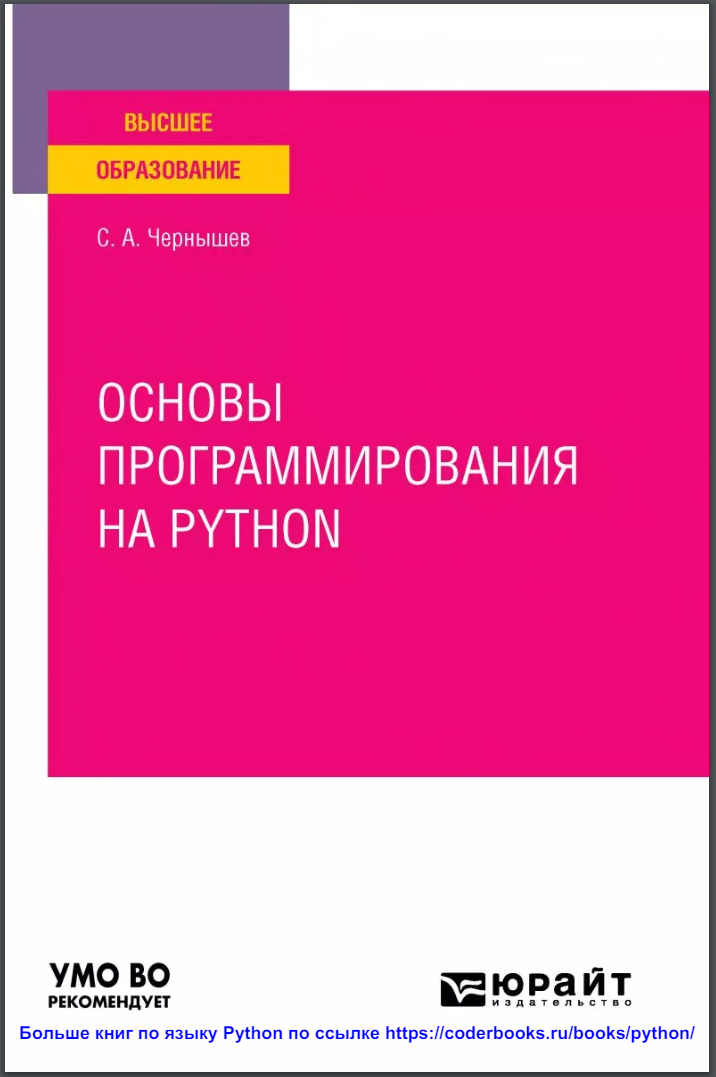 Основы программирования на Python
 Python для детей. Самоучитель по программированию
 Python. Сборник упражнений. Введение в язык Python с задачами и решениями
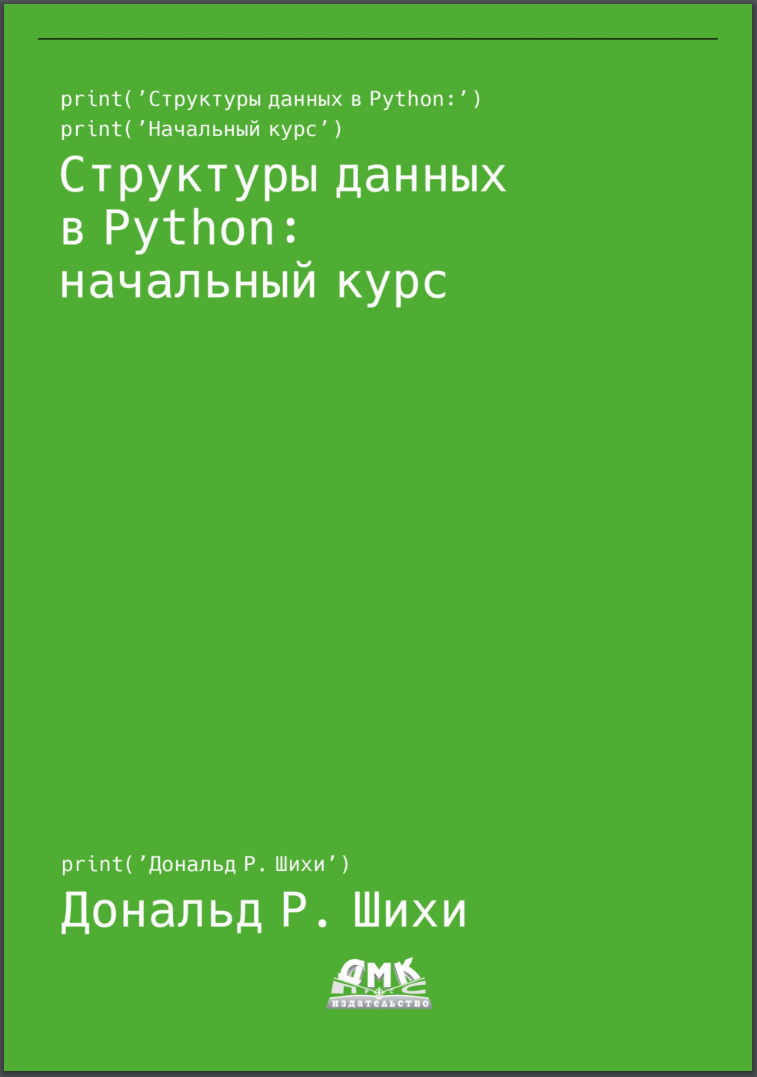 Структуры данных в Python: начальный курс
 Python за 7 дней. Краткий курс для начинающих
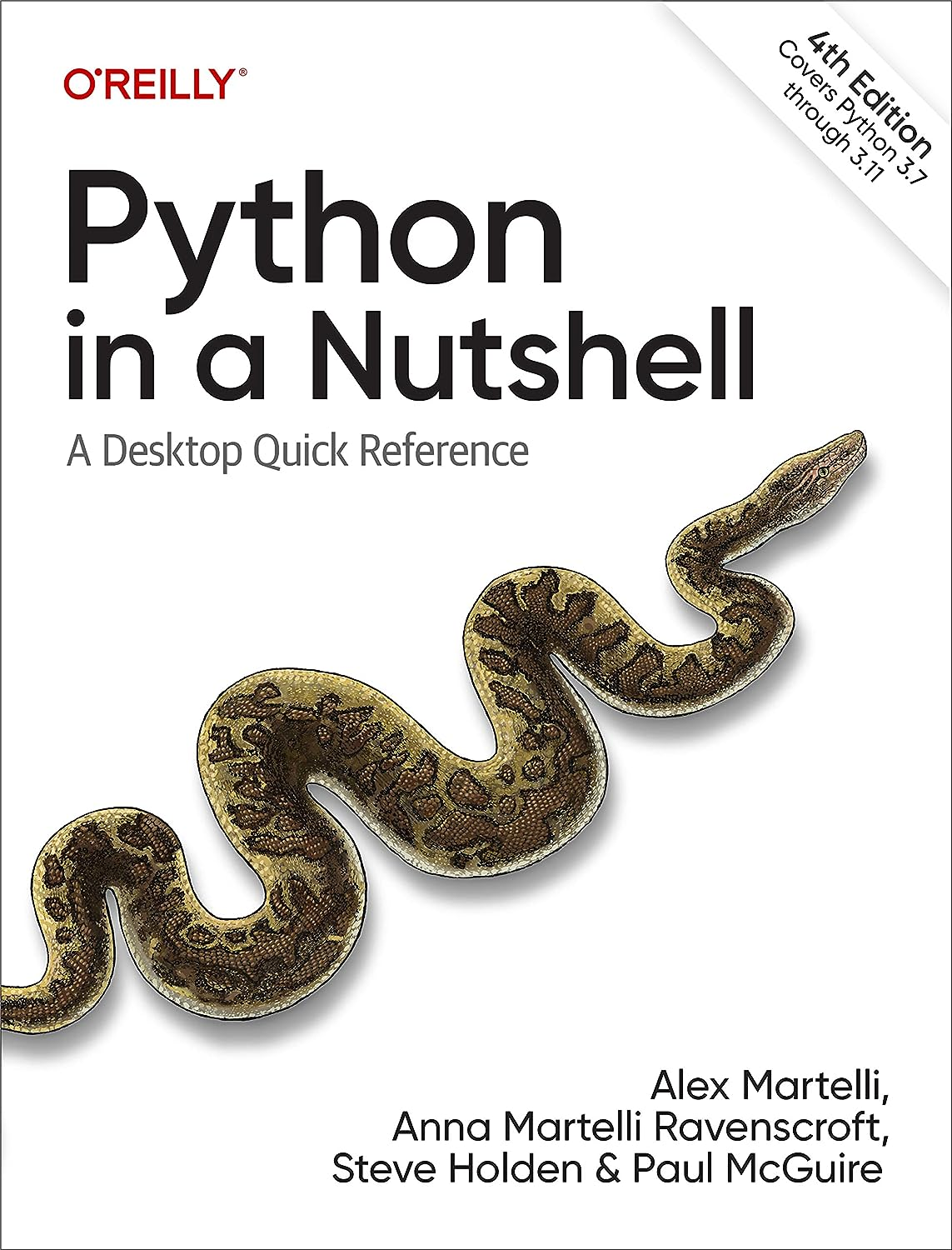 Python in a Nutshell: A Desktop Quick Reference. 4 Ed
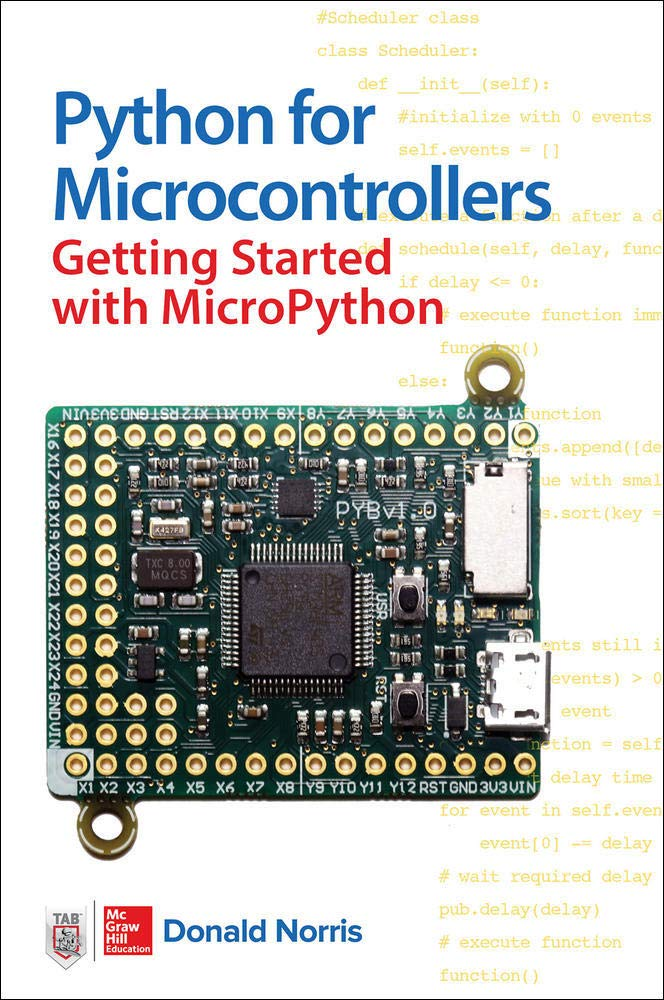 Python for Microcontrollers: Getting Started with MicroPython
 Programming with MicroPython