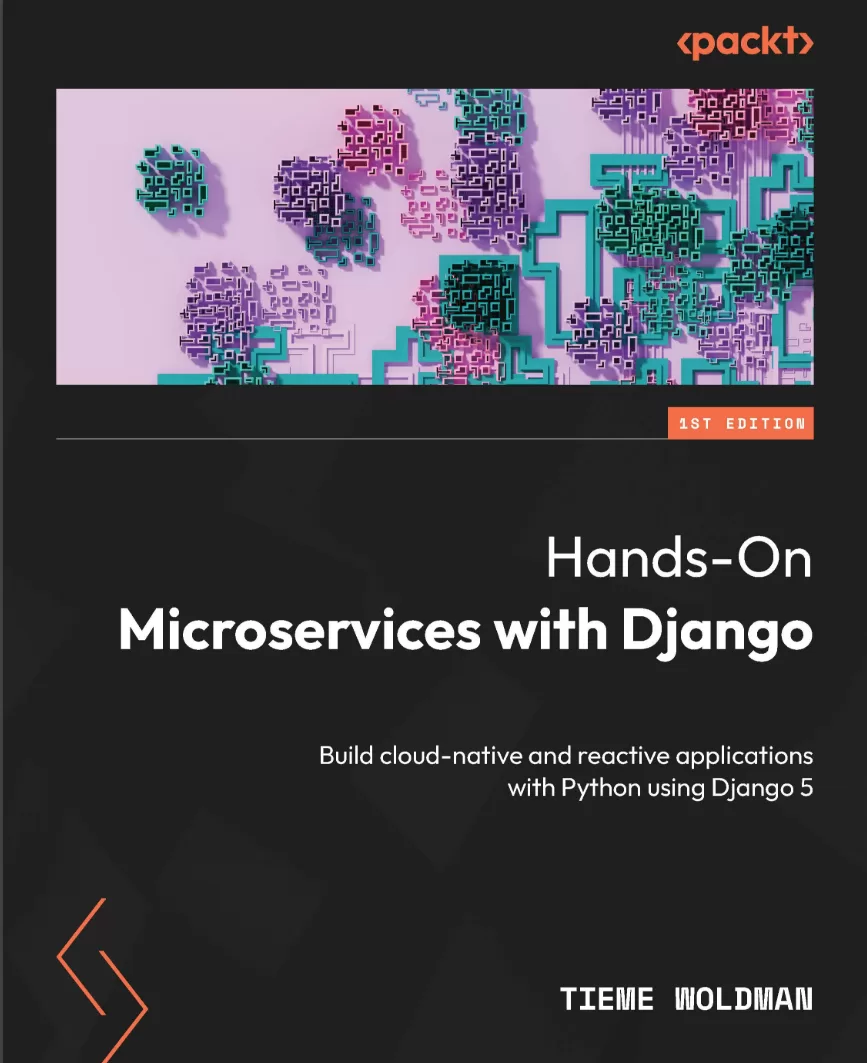
Hands-On Microservices with Django: Build cloud-native and reactive applications with Python using Django 5
Оглавление⌄
Cover....1 Title Page....2 Copyright and Credits....3 Dedication....4 Contributors....5 Table of Contents....8 Preface....14 Part 1: Introducing Microservices and Getting Started....20 Chapter 1: What Is a Microservice?....22 Comparing monolithic web applications and microservices....23 A monolithic version of a Discount Claim app....23 A microservices version of the Discount Claim app....25 Characteristics of microservices....26 Exploring the microservices architecture and its components....27 An analogy to deepen our understanding of microservices....29 Listing the benefits of microservices....30 The drawbacks of microservices....31 Distinguishing types of microservice....31 Cloud-native microservices....31 Reactive microservices....33 Designing microservices....34 Analyzing the user story....34 Split the user story into use cases....35 Summary....38 Chapter 2: Introducing the Django Microservices Architecture....40 Technical requirements....40 Exploring Django’s native components for microservices web applications....41 DRF....41 Django’s Cache Framework....43 Traversing the external components for Django microservices web applications....47 Task and message queue brokers....47 Container software....49 The complete Django microservices architecture....50 Creating a sample microservice....50 Implementation 1: Offloading a task with a RabbitMQ microservice....52 Implementation 2: Offloading a task with a Celery microservice....58 Summary....62 Chapter 3: Setting Up the Development and Runtime Environment....64 Technical requirements....64 Setting up the development environment....65 Extra setup for Windows developers....65 Installing the required Python packages....68 Setting up the runtime environment....70 Installing Docker Desktop....71 Installing RabbitMQ as a Docker container....72 Installing Redis as a Docker container....73 Signing up for MongoDB and working from VS Code....73 Analyzing the sample microservices application....75 Matching an address....75 The app’s requirements as user stories....76 Splitting the requirements into use cases....78 Phasing the development of the sample application....80 Summary....80 Part 2: Building the Microservices Foundation....82 Chapter 4: Cloud-native Data Processing with MongoDB....84 Technical requirements....85 Introducing MongoDB and cloud-native databases....85 What are cloud-native databases?....85 MongoDB is a NoSQL database....86 Setting up MongoDB....88 Optional: creating a paid cluster for production databases....89 Creating a database user....89 Setting up our MongoDB cluster for Django....90 Creating a Database....91 Creating documents inside a collection....91 Updating documents....92 Deleting documents and collections....92 Mapping CRUD operations to HTTP methods....93 CRUD operations on MongoDB with Django ORM....94 CRUD operations on MongoDB with pymongo....100 Cleaning up....103 Summary....103 Chapter 5: Creating RESTful APIs for Microservices....104 Technical requirements....105 Introducing RESTful APIs....105 Benefits of RESTful APIs....107 The RESTful API architecture....107 Building RESTful APIs with DRF....109 Setting up DRF....111 Creating a model and a serializer....112 Creating a view and the URL endpoints....113 Browsing a DRF RESTful API....125 Error handling....127 Handling wrong-formatted requests....127 Handling validation errors....128 Summary....129 Chapter 6: Orchestrating Microservices with Celery and RabbitMQ....130 Technical requirements....131 Introducing task queues....131 Implementing the work queue scenario....132 Implementing the Publish-Subscribe scenario....135 Implementing the Request-Response scenario....138 Exploring Celery and RabbitMQ....142 Celery....143 RabbitMQ....144 Creating and running asynchronous tasks....146 Creating and running a Celery-based task....147 Creating and running a RabbitMQ-based task....160 Monitoring tasks and task queues....166 Monitoring Celery tasks with Flower....166 Monitoring RabbitMQ tasks....167 Summary....168 Chapter 7: Testing Microservices....170 Technical requirements....171 Introducing testing microservices....171 Unit testing microservices....173 Creating and running happy path tests....174 Creating and running boundary tests....179 End-to-end testing microservices....182 Automated testing with Selenium....185 Summary....188 Chapter 8: Deploying Microservices with Docker....190 Technical requirements....191 Introducing Docker....191 Benefits of Docker (containers)....192 Containerizing microservices....192 Applying multi-container deployment with Docker Compose....196 Deploying a Django microservices application....199 Showing a list of the images we created....200 Showing a list of created and running containers....200 Inspecting the console output of a container....201 Stopping a container....201 Starting a container....202 Removing a container....202 Removing an image....202 Deploying a new microservices version....203 Scaling microservices....204 Vertical and horizontal scaling....204 Docker Swarm....206 Kubernetes....206 Summary....207 Part 3: Taking Microservices to the Production Level....208 Chapter 9: Securing Microservices....210 Technical requirements....211 Introducing microservices security....211 North-south security for microservices....211 East-west security for microservices....213 Token-based security with JWT....214 User-based security with OAuth 2.0....215 Controlling access to microservices....215 Securing data communication between microservices....221 Summary....223 Chapter 10: Improving Microservices Performance with Caching....224 Technical requirements....225 Introducing caching....225 Applying Django’s cache framework....227 Caching a web page....229 Caching page data....231 Using Redis for caching....234 Redis as a backend cache for Django’s cache framework....234 Redis as a standalone cache....235 Summary....238 Chapter 11: Best Practices for Microservices....240 Technical requirements....240 Organizing code....241 Apply the singe task principle....241 Separate responsibilities....241 Standardize the communication protocols....242 Containerize microservices....242 Apply version control....243 Document the code....243 Conduct code reviews....243 Documenting microservices....244 Provide code comments....244 Create a README file for the microservices application....245 Document RESTful APIs....246 Logging and monitoring....246 Apply integrated logging....247 Implement log levels....248 Log context information....248 Alert anomalies....249 Error handling....249 Catch and log errors....249 Other error handling options....250 Versioning microservices....251 Apply semantic versioning....251 Utilize RESTful API versioning....252 Summary....252 Further reading....253 Chapter 12: Transforming a Monolithic Web Application into a Microservices Version....254 Introducing the transformation approach....255 Implementing the approach step by step....255 Determining requirements....256 Decomposing the monolith....257 Designing the microservices....260 Selecting the technology....261 Creating the data foundation....262 Developing the microservices....263 Testing and deploying....264 Summary....265 Index....266 Other Books You May Enjoy....275
Описание
Ниже — практический обзор по теме «microservices».
If yes, then this book is for you. Are you a Django developer looking to leverage microservices to create optimized and scalable web applications? With microservices, you can split an application into self-contained services, each with a specific scope running asynchronously while collectively executing processes. You'll start by learning the principles of microservices and message/task queues and how to design them effectively. Written by an experienced Python developer, Hands-On Microservices with Django teaches you how to develop and deploy microservices using Django and accompanying components such as Celery and Redis. Next, you’ll focus on building your first microservices with Django RESTful APIs (DFR) and RabbitMQ, mastering the fundamentals along the way. Later, you’ll discover how to optimize and secure them for production environments. As you progress, you’ll get to grips with dockerizing your microservices. By the end of this book, you’ll have the skills you need to design and develop production-ready Django microservices applications with DFR, Celery/RabbitMQ, Redis, and Django's cache framework.
What you will learnUnderstand the architecture of microservices and how Django implements it Build microservices that leverage community-standard components such as Celery, RabbitMQ, and Redis Test microservices and deploy them with Docker Enhance the security of your microservices for production readiness Boost microservice performance through caching Implement best practices to design and deploy high-performing microservices.
На этом основные моменты по теме закрыты.
Поделиться
Частые вопросы
Можно ли скачать «Hands-On Microservices with Django: Build cloud-native and reactive applications with Python using Django 5» бесплатно?
Да, «Hands-On Microservices with Django: Build cloud-native and reactive applications with Python using Django 5» доступна для бесплатного скачивания на нашем сайте в формате PDF. Ссылка на файл находится на этой странице.
В каком формате и какого размера файл?
Книга предоставляется в формате PDF, размер файла 2,1 МБ.
Кто автор и когда вышла книга?
автор — Woldman Tieme, издательство Packt Publishing Limited, год выпуска 2024, 278 страниц.
О чём книга «Hands-On Microservices with Django: Build cloud-native and reactive applications with Python using Django 5»?
Are you a Django developer looking to leverage microservices to create optimized and scalable web applications?
Похожие материалы
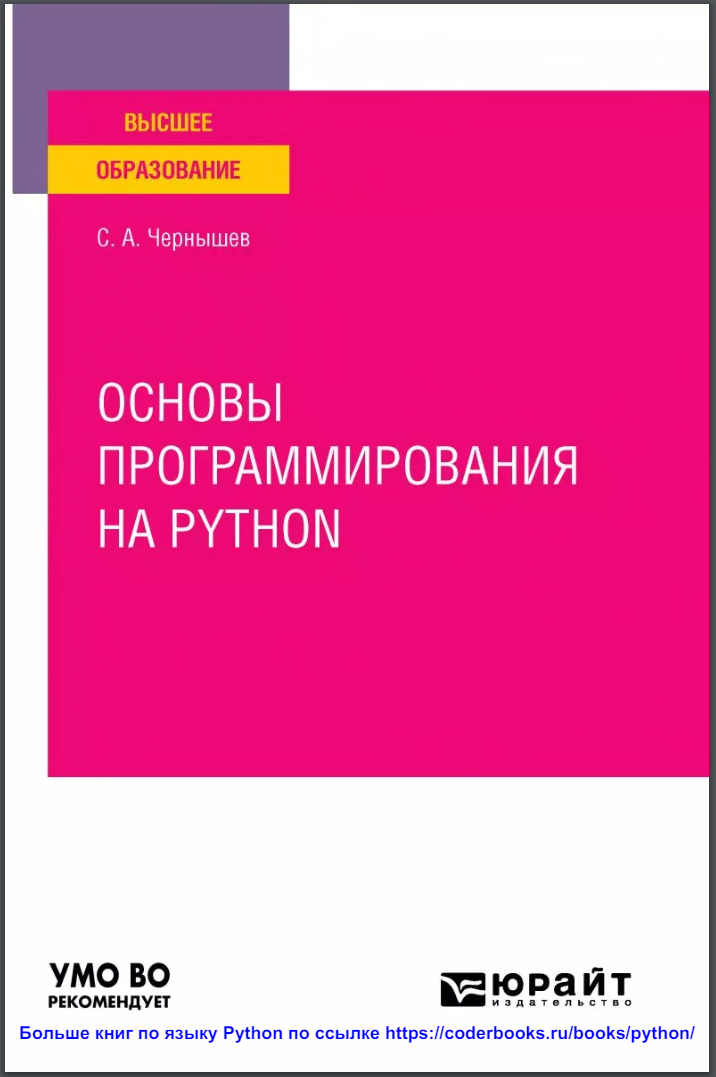 Основы программирования на Python
 Python для детей. Самоучитель по программированию
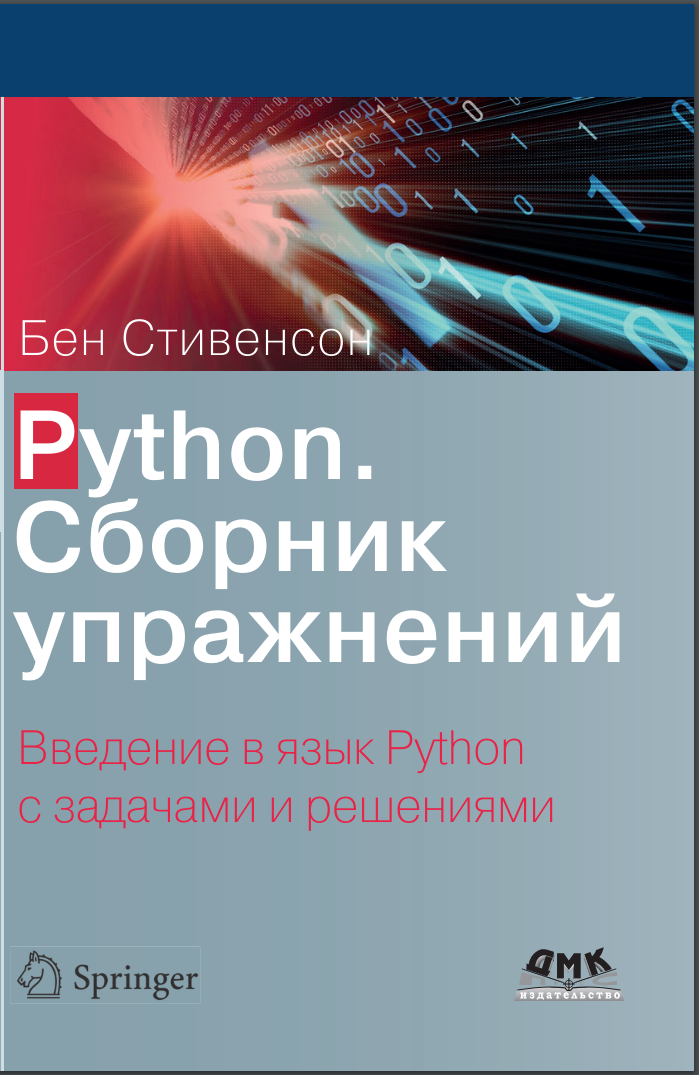 Python. Сборник упражнений. Введение в язык Python с задачами и решениями
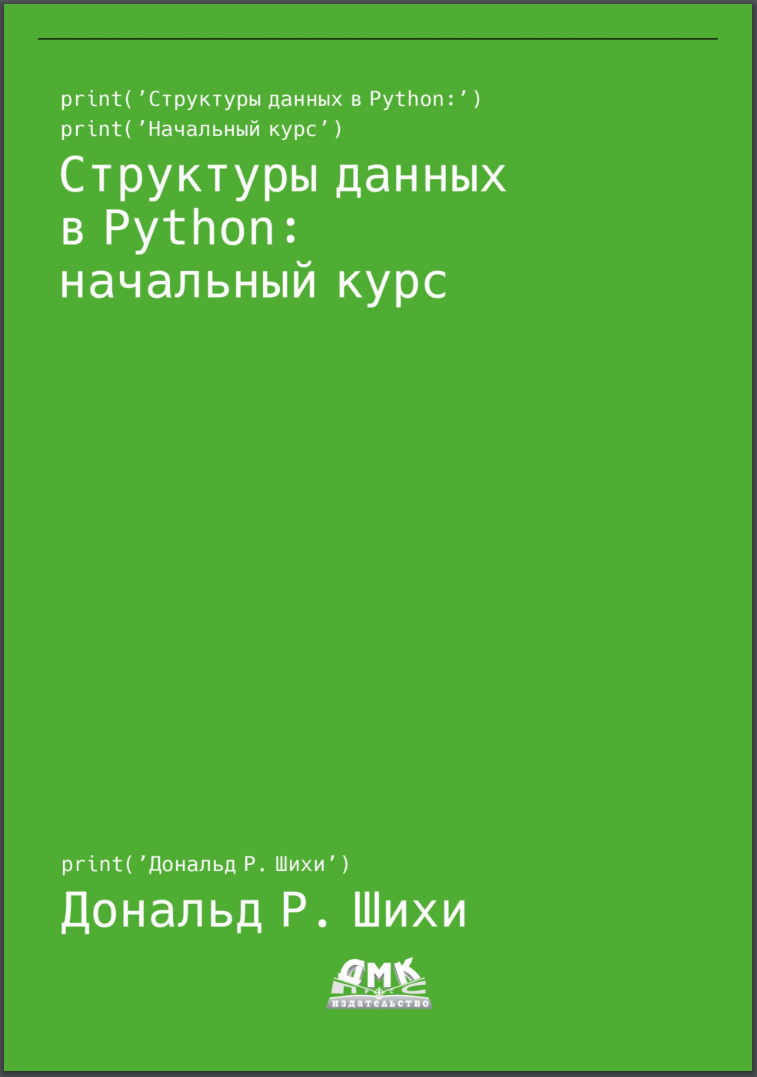 Структуры данных в Python: начальный курс
 Python за 7 дней. Краткий курс для начинающих
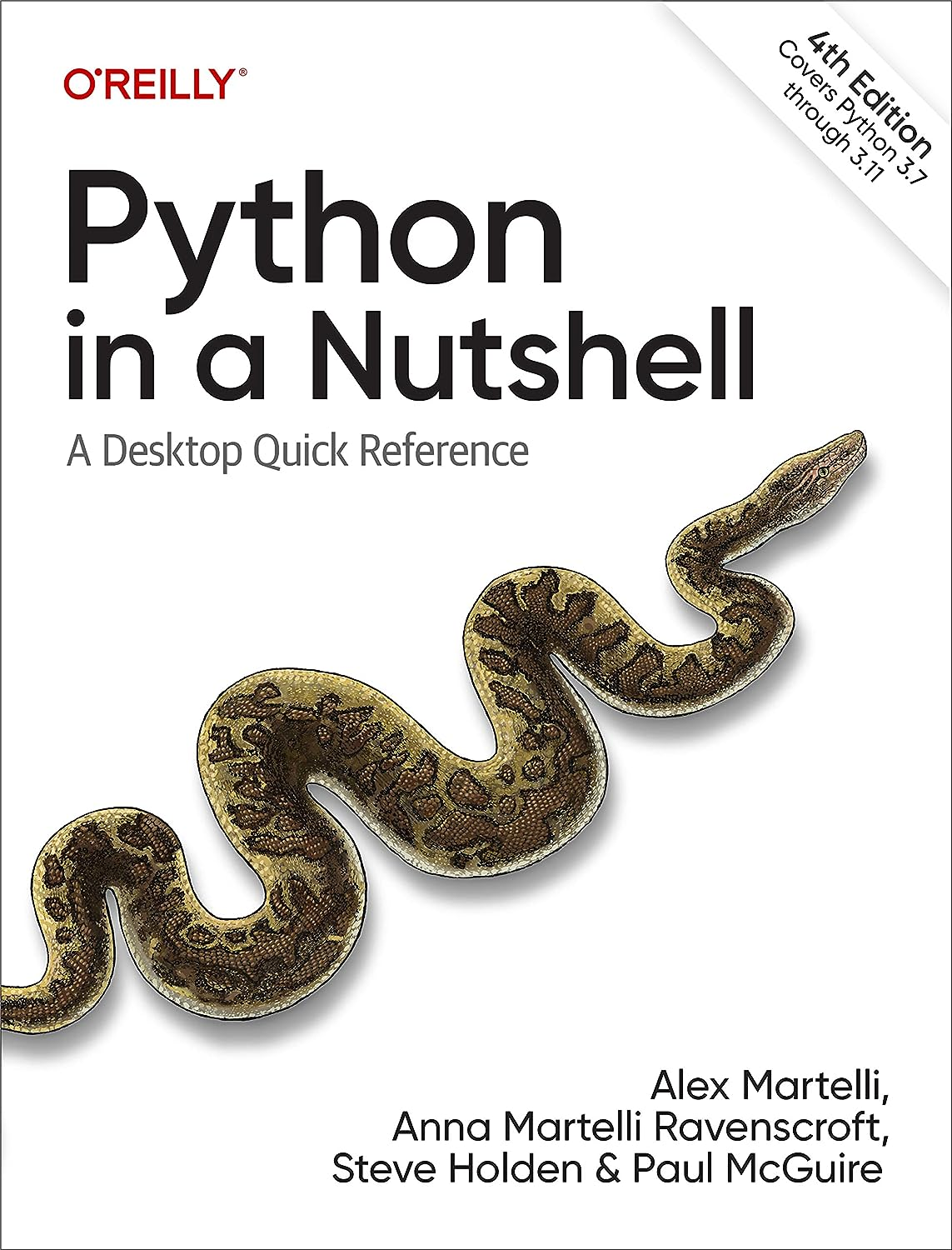 Python in a Nutshell: A Desktop Quick Reference. 4 Ed
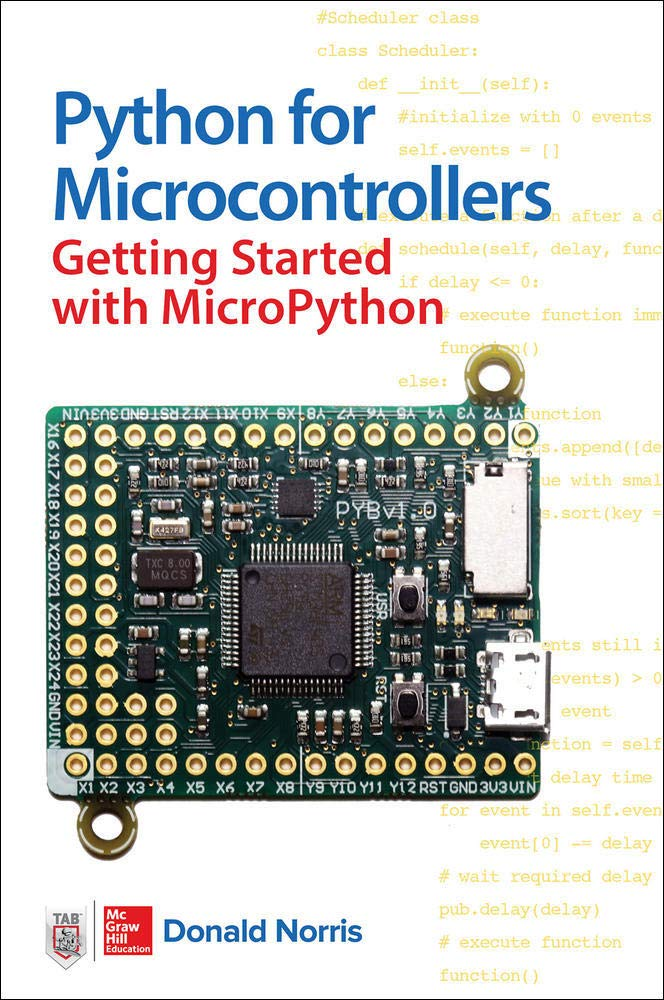 Python for Microcontrollers: Getting Started with MicroPython
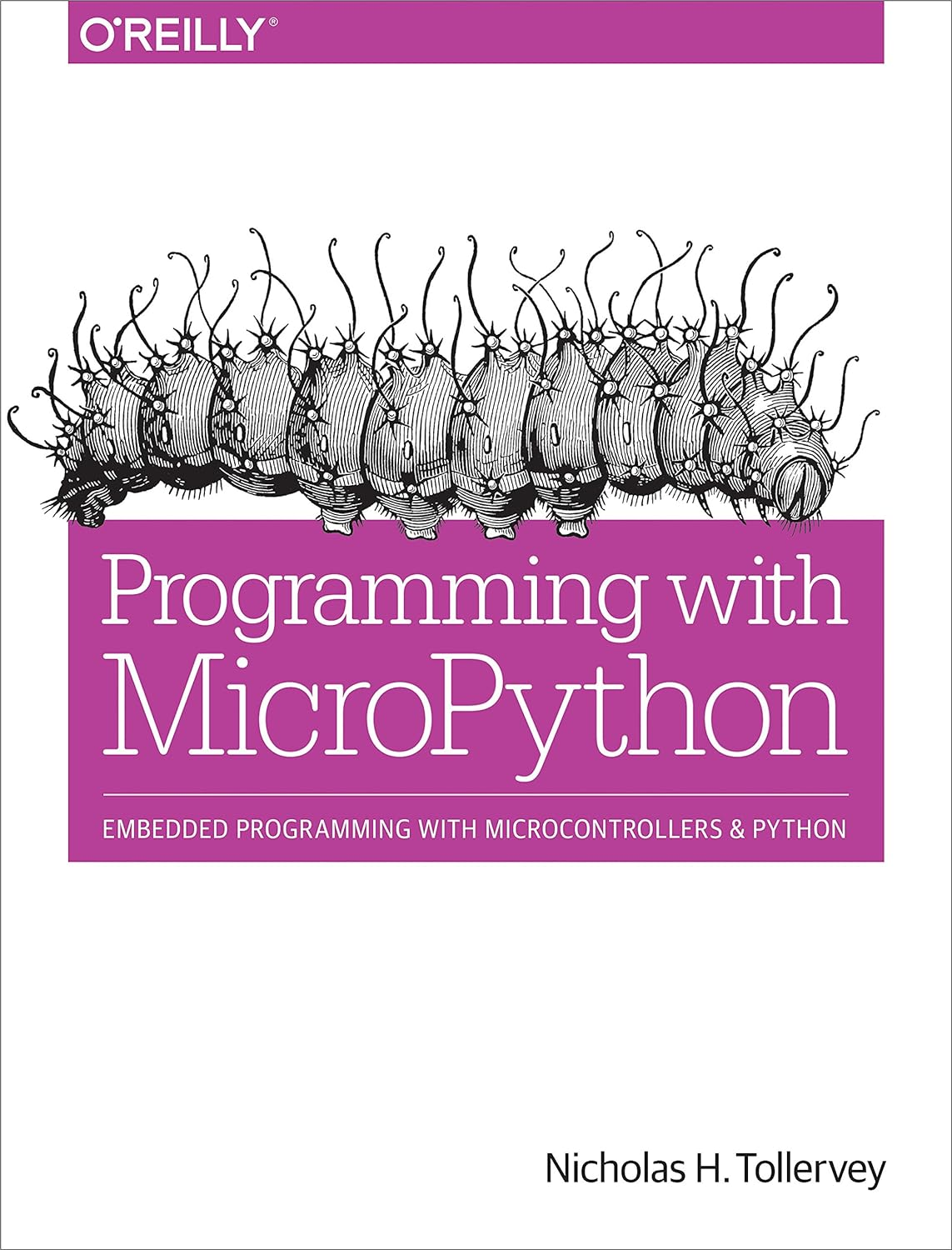 Programming with MicroPython