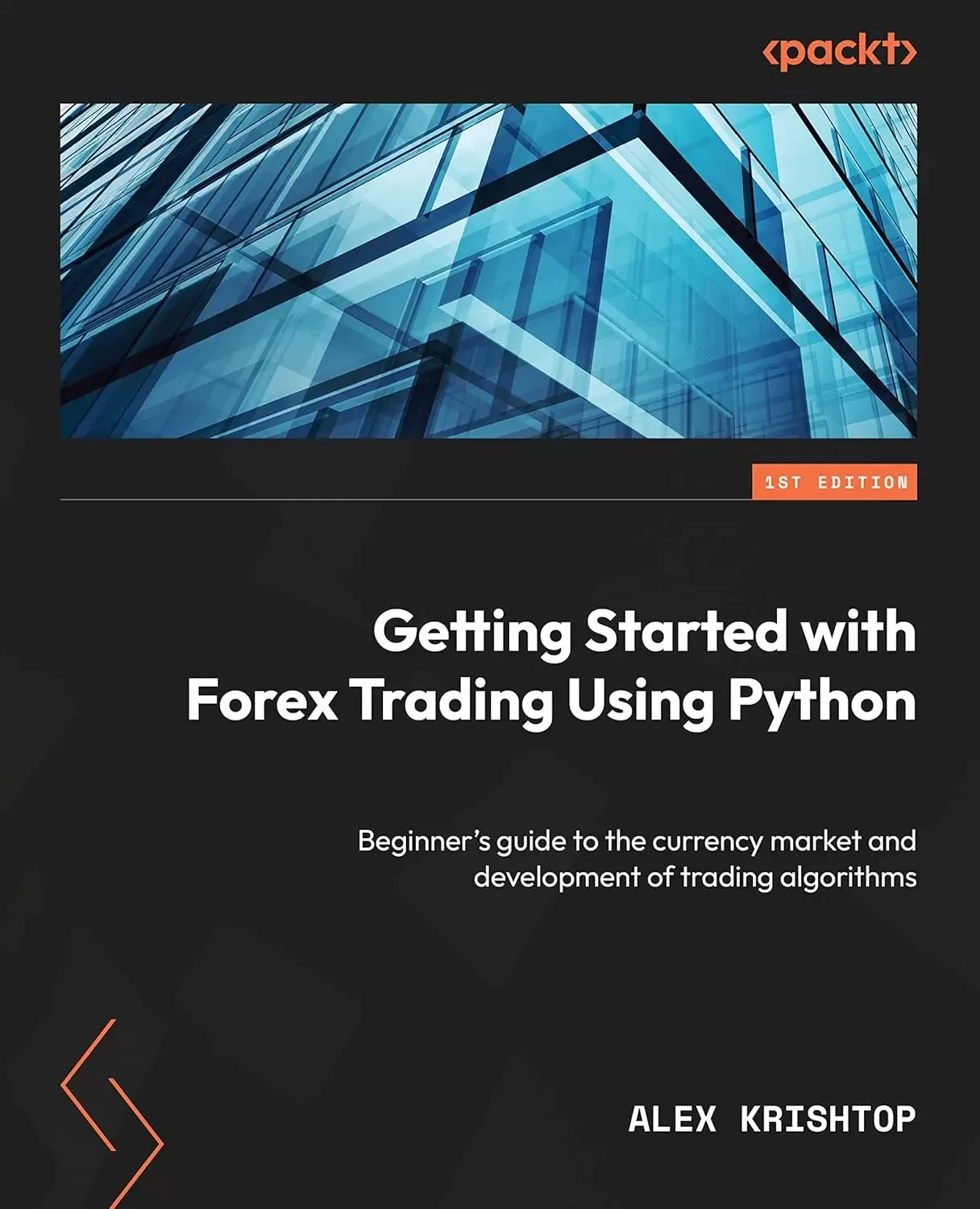
Getting Started with Forex Trading Using Python: Beginner's guide to the currency market and development of trading algorithms
Оглавление⌄
Cover Page....2 Table of Contents....3 Preface....4 Part 1: Introduction to FX Trading Strategy Development....13 Chapter 1: Developing Trading Strategies – Why They Are Different....14 Trading strategies – it’s all about how you manage risk....16 Automated trading – operational risk and regulatory limitations....19 Retrieving market data – quality and consistency as keys to success....21 Making actual trading decisions – trading logic and credit risk....25 Ordering – transactional risk....27 The general architecture of a trading application....28 Summary....28 Chapter 2: Using Python for Trading Strategies....30 Technical requirements....31 The advantages of using Python in trading strategy development....31 Modeling – forecasting the future doesn’t necessarily mean practical benefits....38 Paper trading and backtesting – an essential part of a systemic trader’s risk management....40 The disadvantages of using Python in trading strategy development....45 Live trading – where Python faces its limits....47 Summary....48 Chapter 3: FX Market Overview from a Developer's Standpoint....49 Trading venues – where money meets… other money....50 Trade mechanics – again, some terminology....62 Market makers – comfortable, sophisticated, expensive....65 Liquidity providers – the whales that support this planet....72 ECN – looks like a fair game, but is it?....76 Aggregation – in search of the best price....80 Trading the FX market – what and how....82 Why do I need all this?....89 Summary....90 Part 2: General Architecture of a Trading Application and A Detailed Study of Its Components....92 Chapter 4: Trading Application: What’s Inside?....93 Technical requirements....94 Have your app talk to the world – the gloomy world of communication protocols....94 Retrieving data – garbage in, garbage out....107 Trading logic – this is where a small mistake may cost a fortune....115 Risk management – your safety belt....117 Ordering – make sure you are understood correctly....118 Summary....119 Chapter 5: Retrieving and Handling Market Data with Python....120 Navigating through data....120 Data compression – keeping the amounts to a reasonable minimum....132 Working with saved and live data – keeping your app universal....145 Summary....157 Chapter 6: Basics of Fundamental Analysis and Its Possible Use in FX Trading....158 Fundamental analysis – intuitive but of little practical use....159 Economic news....159 Economic news from a fundamental analysis perspective....166 Political events....167 Industry-specific information....170 Summary....173 Chapter 7: Technical Analysis and Its Implementation in Python....175 Technical analysis – ideal for computing, but missing real market processes....176 Implementation of TA indicators in Python....205 Summary....216 Chapter 8: Data Visualization in FX Trading with Python....218 Technical requirements....218 The basics of charting with Python....219 Simple plots of market data....226 Visualizing static market data with pandas....235 Visualizing live market data....243 Adding objects to price charts....256 Summary....259 Part 3: Orders, Trading Strategies, and Their Performance....261 Chapter 9: Trading Strategies and Their Core Elements....262 Alpha and beta – widely used, widely confused....263 Options – stable income with unlimited risk....273 Alpha classics – trend-following, mean reversion, breakout, and momentum....276 Arbitrage – let’s earn from others’ mistakes....286 Statistical arbitrage....288 Event-driven trading strategies....291 Market-making – profiting on liquidity provision and associated risks....291 High frequency, low latency – where Python fails....292 Summary....293 Chapter 10: Types of Orders and Their Simulation in Python....295 Order ticket – what you send is what you get....296 Market orders – the way to get maximum control over transactional risk....299 Limit orders – guaranteed price, but not execution....303 Time in force – better control over execution....307 Stop orders – maximum uncontrolled risk....310 Compound orders....315 Summary....316 Chapter 11: Backtesting and Theoretical Performance....317 Trading app architecture – revised and improved....317 Multithreading – convenient but full of surprises....331 Trading application with live data feed....333 Backtesting – speeding up the research....346 Summary – where do we go now?....364 Part 4: Strategies, Performance Analysis, and Vistas....367 Chapter 12: Sample Strategy – Trend-Following....368 Trend-following revisited – trading setup....368 Choosing the market and preparing data....377 Trend-following strategy – implementation....384 Summary....387 Chapter 13: To Trade or Not to Trade – Performance Analysis....389 Trade analysis....390 Average trade and trading costs....390 Measuring performance – alpha and beta revisited....400 Net profit versus buy and hold....409 Drawdown....412 The power of leverage – how much do I need to trade it?....420 Summary....423 Chapter 14: Where to Go Now?....425 Implementing limit and stop orders....426 The correct way to calculate the number of trades....434 From trading ideas to implementation – another sample strategy using limit and stop orders....438 Money management and multiple entries....445 Strategy performance revisited – more metrics....448 More about the risks specific to algo trading....449 Classical technical trading setups....450 Optimization – the blessing and the curse of algo trading....452 Final words....454 Index....455 Why subscribe?....474 Other Books You May Enjoy....475 Packt is searching for authors like you....478 Share Your Thoughts....478 Download a free PDF copy of this book....478
Описание
Коротко и по делу о том, что важно знать про trading.
However, very few traders get the results they want, partly because they aren't able to capture the complexity of the factors that influence the market. Algorithm-based trading is a popular choice for Python programmers due to its apparent simplicity. Getting Started with Forex Trading Using Python helps you understand the market and build an application that reaps desirable results.
From the programming side, you'll learn the general architecture of trading applications, systemic risk management, de-facto industry standards such as FIX protocol, and practical examples of using simple Python codes. The book is a comprehensive guide to everything that is market-related: data, orders, trading venues, and risk. You'll gain an understanding of how to connect to data sources and brokers, implement trading logic, and perform realistic tests. Throughout the book, you'll be encouraged to further study the intricacies of algo trading with the help of code snippets.
By the end of this book, you'll have a deep understanding of the fx market from the perspective of a professional trader. You'll learn to retrieve market data, clean it, filter it, compress it into various formats, apply trading logic, emulate the execution of orders, and test the trading app before trading live.
Academic researchers looking to focus on practical applications will find this book useful. What you will learnExplore the forex market organization and operationsUnderstand the sources of alpha and the concept of algo tradingGet a grasp on typical risks and ways to mitigate themUnderstand fundamental and technical analysisConnect to data sources and check the integrity of market dataUse API and FIX protocol to send ordersTranslate trading ideas into codeRun reliable backtesting emulating real-world market conditionsWho this book is forThis book is for financial traders and python developers who are interested in forex trading. This book can also help established fx market professionals who want to take the first steps in algo trading. Knowledge of network protocols and interfaces is a plus but not a prerequisite, as is specific knowledge about markets and trading. Familiarity with Python and object-oriented programming within the scope of an online course or self-study is a must.
На этом основные моменты по теме закрыты.
Поделиться
Частые вопросы
Можно ли скачать «Getting Started with Forex Trading Using Python: Beginner's guide to the currency market and development of trading algorithms» бесплатно?
Да, «Getting Started with Forex Trading Using Python: Beginner's guide to the currency market and development of trading algorithms» доступна для бесплатного скачивания на нашем сайте в формате PDF. Ссылка на файл находится на этой странице.
В каком формате и какого размера файл?
Книга предоставляется в формате PDF, размер файла 4,6 МБ.
Кто автор и когда вышла книга?
автор — Krishtop Alexey, издательство Packt Publishing Limited, год выпуска 2023, 479 страниц.
О чём книга «Getting Started with Forex Trading Using Python: Beginner's guide to the currency market and development of trading algorithms»?
Algorithm-based trading is a popular choice for Python programmers due to its apparent simplicity.
Похожие материалы
 Основы программирования на Python
 Python для детей. Самоучитель по программированию
 Python. Сборник упражнений. Введение в язык Python с задачами и решениями
 Структуры данных в Python: начальный курс
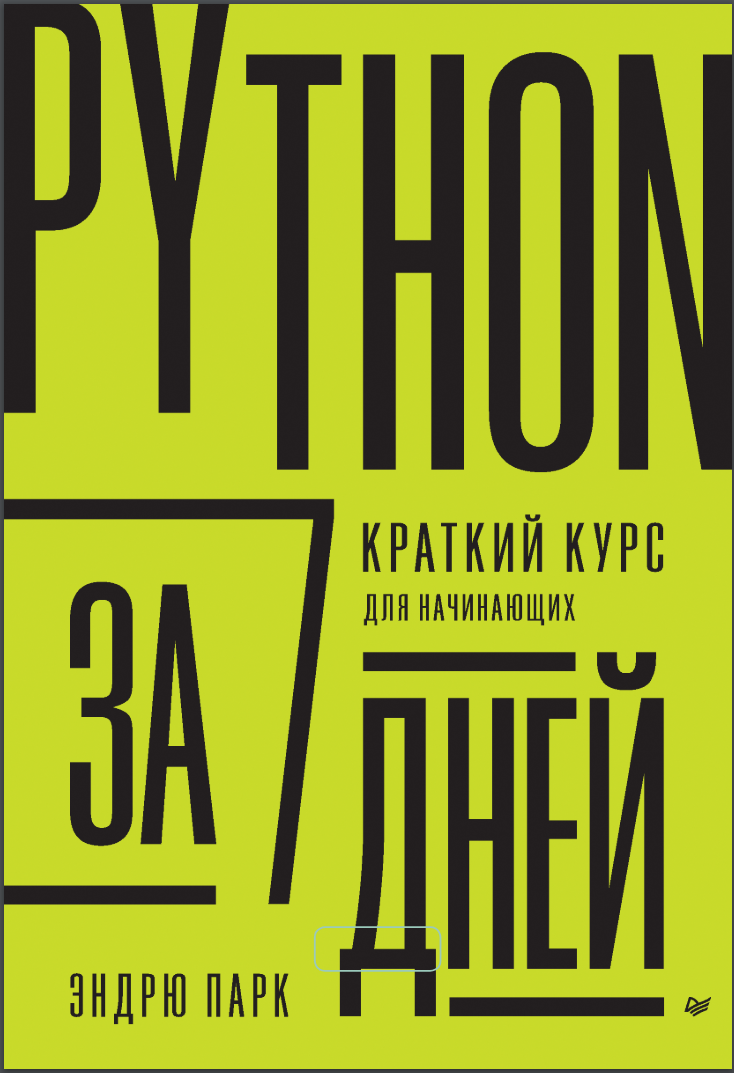 Python за 7 дней. Краткий курс для начинающих
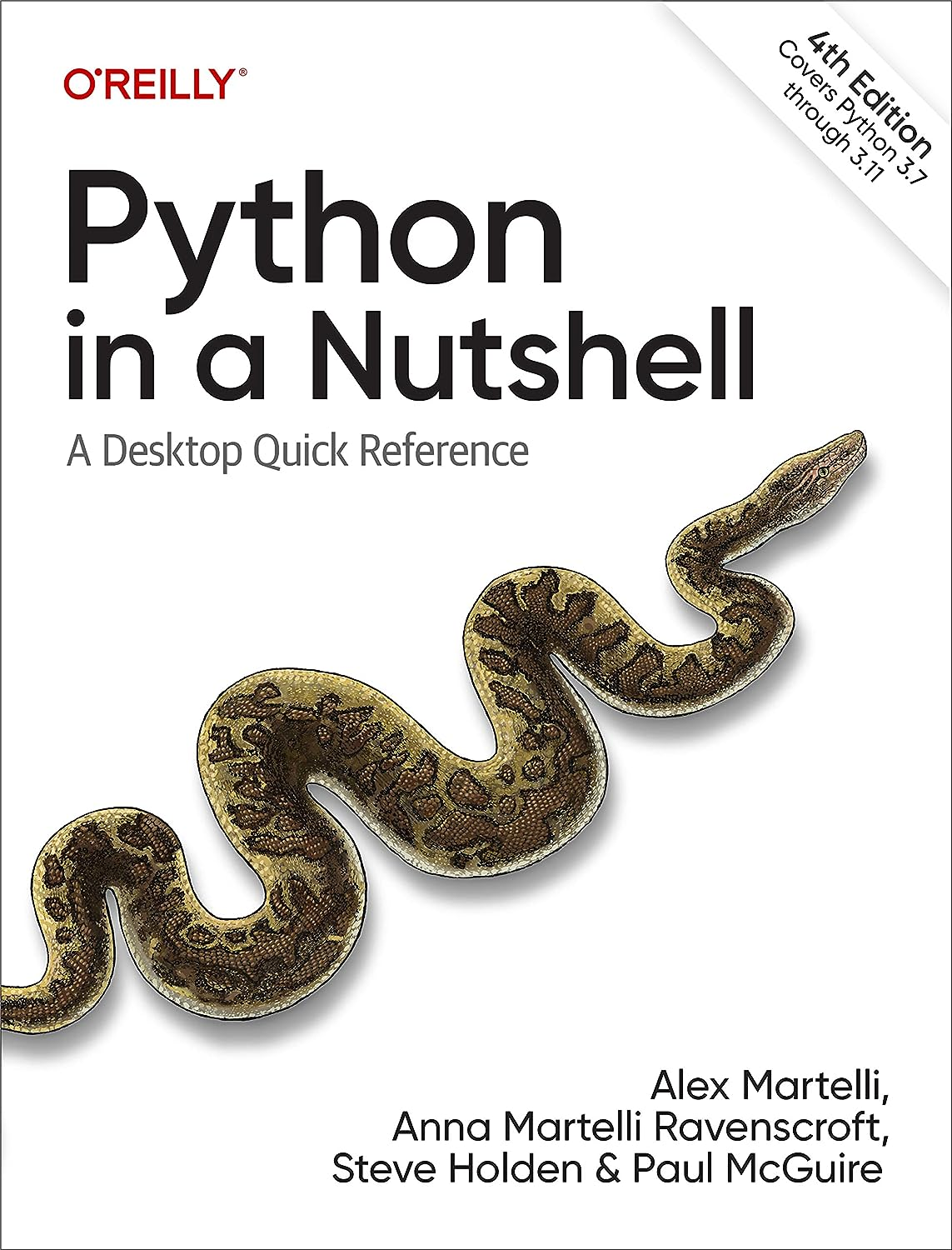 Python in a Nutshell: A Desktop Quick Reference. 4 Ed
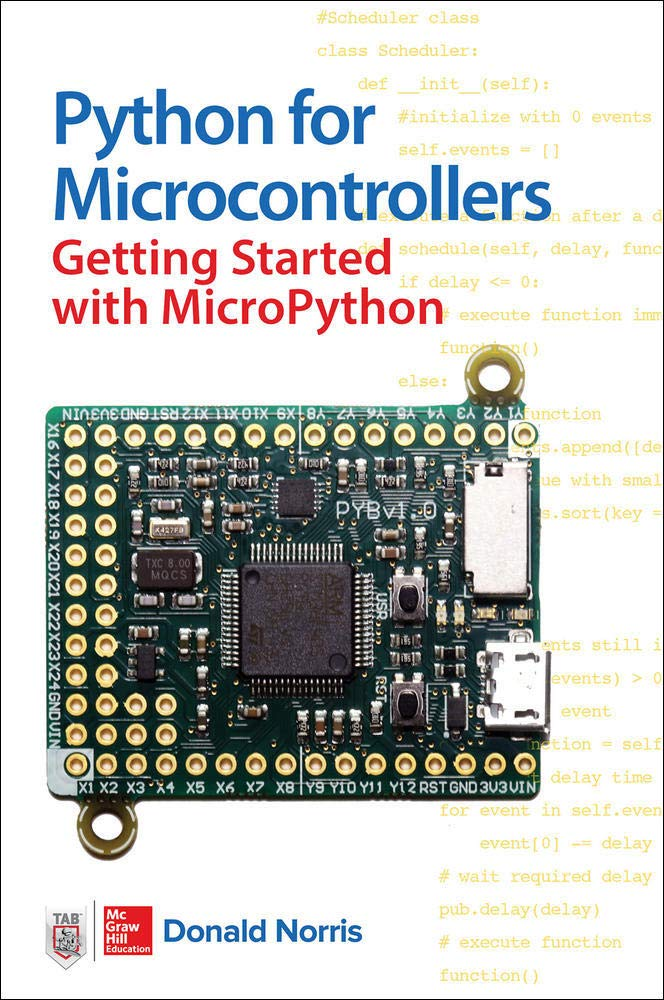 Python for Microcontrollers: Getting Started with MicroPython
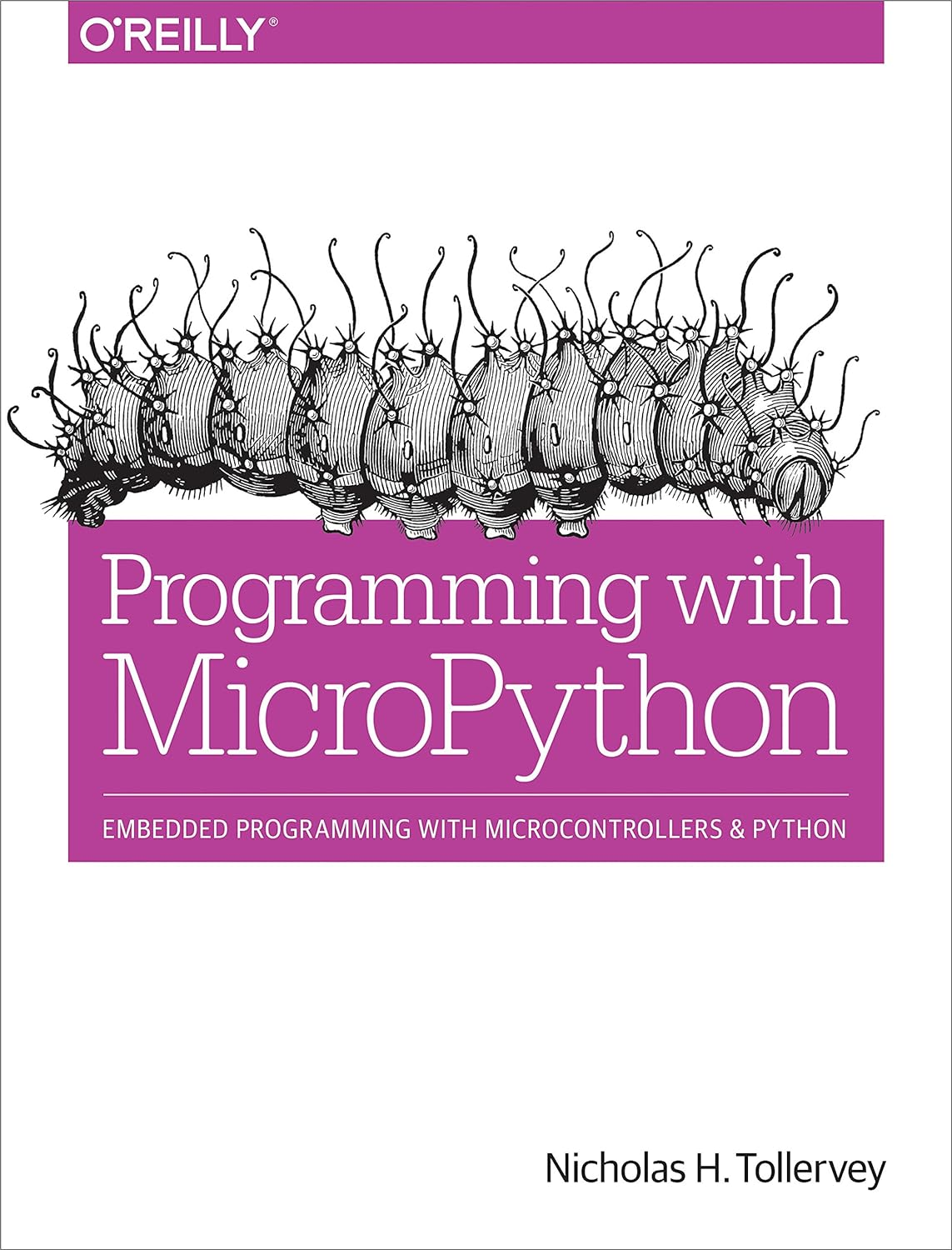 Programming with MicroPython