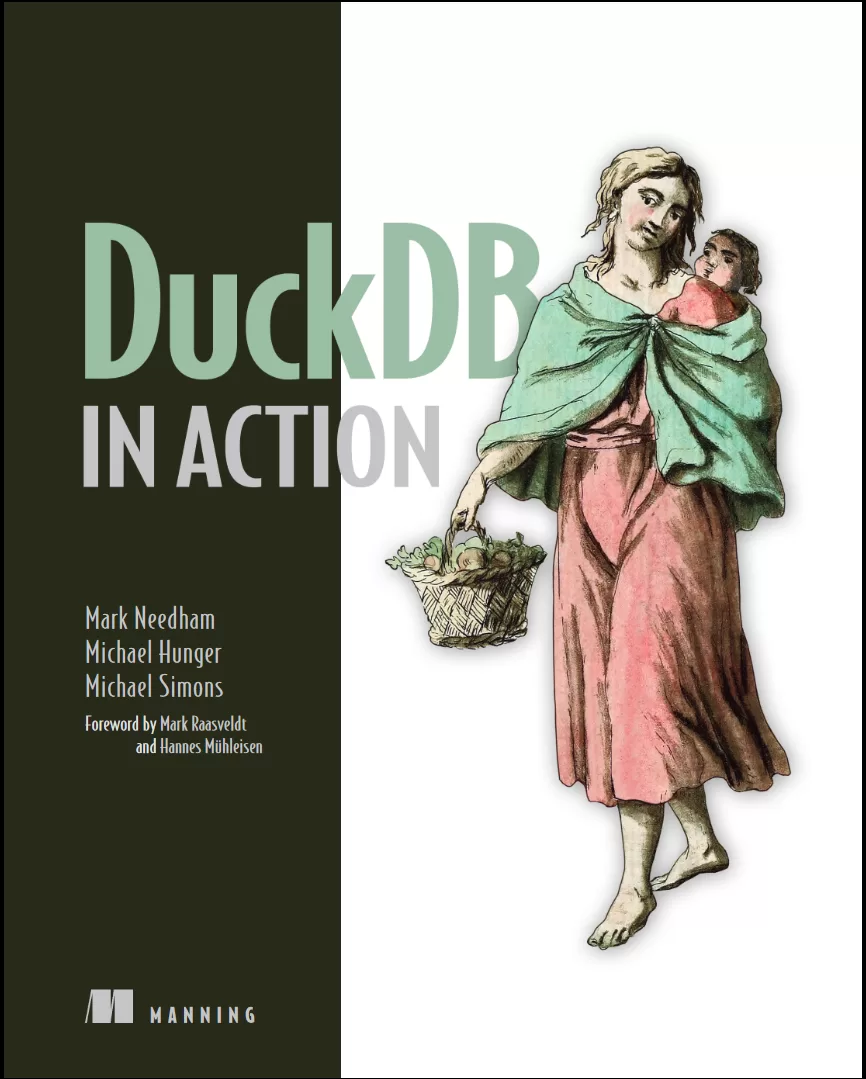
DuckDB in Action
Оглавление⌄
DuckDB in Action....1 brief contents....8 contents....9 foreword....14 preface....16 acknowledgments....17 about this book....19 Who should read this book....19 How this book is organized: A road map....19 About the code....20 liveBook discussion forum....20 about the authors....22 about the cover illustration....24 1 An introduction to DuckDB....25 1.1 What is DuckDB?....26 1.2 Why should you care about DuckDB?....27 1.3 When should you use DuckDB?....28 1.4 When should you not use DuckDB?....29 1.5 Use cases....29 1.6 Where does DuckDB fit in?....30 1.7 Steps of the data processing flow....31 1.7.1 Data formats and sources....31 1.7.2 Data structures....32 1.7.3 Developing the SQL....32 1.7.4 Using or processing the results....33 Summary....35 2 Getting started with DuckDB....36 2.1 Supported environments....36 2.2 Installing the DuckDB CLI....37 2.2.1 macOS....37 2.2.2 Linux and Windows....37 2.3 Using the DuckDB CLI....37 2.3.1 SQL statements....38 2.3.2 Dot commands....38 2.3.3 CLI arguments....39 2.4 DuckDB’s extension system....39 2.5 Analyzing a CSV file with the DuckDB CLI....41 2.5.1 Result modes....42 Summary....45 3 Executing SQL queries....46 3.1 A quick SQL recap....47 3.2 Analyzing energy production....47 3.2.1 Downloading the dataset....48 3.2.2 The target schema....49 3.3 Data definition language queries....50 3.3.1 The CREATE TABLE statement....50 3.3.2 The ALTER TABLE statement....52 3.3.3 The CREATE VIEW statement....53 3.3.4 The DESCRIBE statement....54 3.4 Data manipulation language queries....55 3.4.1 The INSERT statement....55 3.4.2 Merging data....59 3.4.3 The DELETE statement....60 3.4.4 The SELECT statement....60 3.5 DuckDB-specific SQL extensions....74 3.5.1 Dealing with SELECT....74 3.5.2 Inserting by name....77 3.5.3 Accessing aliases everywhere....78 3.5.4 Grouping and ordering by all relevant columns....78 3.5.5 Sampling data....79 3.5.6 Functions with optional parameters....80 Summary....80 4 Advanced aggregation and analysis of data....82 4.1 Pre-aggregating data while ingesting....83 4.2 Summarizing data....85 4.3 On subqueries....86 4.3.1 Subqueries as expressions....88 4.4 Grouping sets....90 4.5 Window functions....93 4.5.1 Defining partitions....95 4.5.2 Framing....98 4.5.3 Named windows....99 4.5.4 Accessing preceding or following rows in a partition....101 4.6 Conditions and filtering outside the WHERE clause....102 4.6.1 Using the HAVING clause....103 4.6.2 Using the QUALIFY clause....104 4.6.3 Using the FILTER clause....105 4.7 The PIVOT statement....106 4.8 Using the ASOF JOIN....110 4.9 Using table functions....114 4.10 Using LATERAL joins....117 Summary....121 5 Exploring data without persistence....122 5.1 Why use a database without persisting any data?....123 5.2 Inferring file type and schema....123 5.2.1 A note on CSV parsing....125 5.3 Shredding nested JSON....126 5.4 Translating CSV to Parquet....132 5.5 Analyzing and querying Parquet files....137 5.6 Querying SQLite and other databases....140 5.7 Working with Excel files....144 Summary....146 6 Integrating with the Python ecosystem....147 6.1 Getting started....148 6.1.1 Installing the Python package....148 6.1.2 Opening up a database connection....148 6.2 Using the relational API....149 6.2.1 Ingesting CSV data with the Python API....150 6.2.2 Composing queries....152 6.2.3 SQL querying....157 6.3 Querying pandas DataFrames....158 6.4 User-defined functions....160 6.5 Interoperability with Apache Arrow and Polars....165 Summary....167 7 DuckDB in the cloud with MotherDuck....168 7.1 Introduction to MotherDuck....169 7.1.1 How it works....169 7.1.2 Why use MotherDuck?....170 7.2 Getting started with MotherDuck....171 7.2.1 Using MotherDuck through the UI....172 7.2.2 Connecting to MotherDuck with DuckDB via token-based authentication....172 7.3 Making the best possible use of MotherDuck....174 7.3.1 Uploading databases to MotherDuck....174 7.3.2 Creating databases in MotherDuck....176 7.3.3 Sharing databases....177 7.3.4 Managing S3 secrets and loading Data from S3 buckets....180 7.3.5 Optimizing data ingestion and MotherDuck usage....180 7.3.6 Querying your data with AI....181 7.3.7 Integrations....185 Summary....186 8 Building data pipelines with DuckDB....187 8.1 Data pipelines and the role of DuckDB....188 8.2 Data ingestion with dlt....189 8.2.1 Installing a supported source....190 8.2.2 Building a pipeline....191 8.2.3 Exploring pipeline metadata....194 8.3 Data transformation and modeling with dbt....195 8.3.1 Setting up a dbt project....196 8.3.2 Defining sources....197 8.3.3 Describing transformations with models....197 8.3.4 Testing transformations and pipelines....200 8.3.5 Transforming all CSV files....202 8.4 Orchestrating data pipelines with Dagster....206 8.4.1 Defining assets....207 8.4.2 Running pipelines....209 8.4.3 Managing dependencies in a pipeline....210 8.4.4 Advanced computation in assets....213 8.4.5 Uploading to MotherDuck....215 Summary....216 9 Building and deploying data apps....217 9.1 Building a custom data app with Streamlit....218 9.1.1 What is Streamlit?....219 9.1.2 Building our app....219 9.1.3 Using Streamlit components....221 9.1.4 Visualizing data using plot.ly....225 9.1.5 Deploying our app on the Community Cloud....228 9.2 Building a BI dashboard with Apache Superset....231 9.2.1 What is Apache Superset?....231 9.2.2 Superset’s workflow....233 9.2.3 Creating our first dashboard....234 9.2.4 Creating a dataset from an SQL query....240 9.2.5 Exporting and importing dashboards....244 Summary....245 10 Performance considerations for large datasets....247 10.1 Loading and querying the full Stack Overflow database....248 10.1.1 Data dump and extraction....248 10.1.2 The data model....250 10.1.3 Exploring the CSV file data....252 10.1.4 Loading the data into DuckDB....254 10.1.5 Fast exploratory queries on large tables....257 10.1.6 Posting on weekdays....260 10.1.7 Using enums for tags....262 10.2 Query planning and execution....267 10.2.1 Planner and optimizer....267 10.2.2 Runtime and vectorization....267 10.2.3 Visualizing query plans with Explain and Explain Analyze....269 10.3 Exporting the Stack Overflow data to Parquet....272 10.4 Exploring the New York Taxi dataset from Parquet files....275 10.4.1 Configuring credentials for S3 access....276 10.4.2 Auto-inferring file types....276 10.4.3 Exploring Parquet schema....277 10.4.4 Creating views....278 10.4.5 Analyzing the data....279 10.4.6 Making use of the taxi dataset....283 Summary....284 11 Conclusion....286 11.1 What we have learned in this book....286 11.2 Upcoming stable versions of DuckDB....287 11.3 Aspects we did not cover....287 11.4 Where can you learn more?....288 11.5 What is the future of data engineering with DuckDB?....288 appendix Client APIs for DuckDB....289 A.1 Officially supported languages....290 A.2 A word on concurrency....291 A.3 Use cases....292 A.4 Importing large amounts of data....292 A.5 Using DuckDB from Java via the JDBC Driver....293 A.5.1 Understanding the general usage pattern....295 A.5.2 Using multiple connections from several threads....296 A.5.3 Using DuckDB as a tool for data processing from Java....299 A.5.4 Inserting large amounts of data....300 A.6 Additional connection options....302 Summary....303 index....305 Symbols....305 A....305 B....305 C....305 D....306 E....307 F....307 G....308 H....308 I....308 J....308 L....308 M....309 N....309 O....309 P....309 Q....310 R....310 S....310 T....311 U....311 V....312 W....312 X....312 Y....312 Z....312 DuckDB in Action - back....314
Описание
Коротко и по делу о том, что важно знать про data.
In DuckDB in Action you’ll learn everything you need to know to get the most out of this awesome tool, keep your data secure on prem, and save you hundreds on your cloud bill. DuckDB is a cutting-edge SQL database that makes it incredibly easy to analyze big data sets right from your laptop. From data ingestion to advanced data pipelines, you’ll learn everything you need to get the most out of DuckDB—all through hands-on examples.
You won’t need to read through pages of documentation—you’ll learn as you work. Open up DuckDB in Action and learn how to:Read and process data from CSV, JSON and Parquet sources both locally and remoteWrite analytical SQL queries, including aggregations, common table expressions, window functions, special types of joins, and pivot tablesUse DuckDB from Python, both with SQL and its "Relational"-API, interacting with databases but also data framesPrepare, ingest and query large datasetsBuild cloud data pipelinesExtend DuckDB with custom functionalityPragmatic and comprehensive, DuckDB in Action introduces the DuckDB database and shows you how to use it to solve common data workflow problems. Get to grips with DuckDB's unique SQL dialect, learning to seamlessly load, prepare, and analyze data using SQL queries. Extend DuckDB with both Python and built-in tools such as MotherDuck, and gain practical insights into building robust and automated data pipelines.
You don’t need to set up a Spark or run a cloud data warehouse just to process a few hundred gigabytes of data. About the technologyDuckDB makes data analytics fast and fun! DuckDB is easily embeddable in any data analytics application, runs on a laptop, and processes data from almost any source, including JSON, CSV, Parquet, SQLite and Postgres.
You’ll explore DuckDB’s handy SQL extensions, get to grips with aggregation, analysis, and data without persistence, and use Python to customize DuckDB. About the bookDuckDB in Action guides you example-by-example from setup, through your first SQL query, to advanced topics like building data pipelines and embedding DuckDB as a local data store for a Streamlit web app. A hands-on project accompanies each new topic, so you can see DuckDB in action.
What's insidePrepare, ingest and query large datasetsBuild cloud data pipelinesExtend DuckDB with custom functionalityFast-paced SQL recap: From simple queries to advanced analyticsAbout the readerFor data pros comfortable with Python and CLI tools.
Файл доступен для загрузки ниже.
Поделиться
Частые вопросы
Можно ли скачать «DuckDB in Action» бесплатно?
Да, «DuckDB in Action» доступна для бесплатного скачивания на нашем сайте в формате PDF. Ссылка на файл находится на этой странице.
В каком формате и какого размера файл?
Книга предоставляется в формате PDF, размер файла 4,6 МБ.
Кто автор и когда вышла книга?
автор — Hunger Michael , Needham Mark , Simons Michael, издательство Manning Publications Co., год выпуска 2024, 314 страниц.
О чём книга «DuckDB in Action»?
DuckDB is a cutting-edge SQL database that makes it incredibly easy to analyze big data sets right from your laptop.
Похожие материалы
 Pro T-SQL 2022: Toward Speed, Scalability, and Standardization for SQL Server Developers. 2 Ed
 Pro Encryption in SQL Server 2022: Provide the Highest Level of Protection for Your Data
 PostgreSQL Query Optimization: The Ultimate Guide to Building Efficient Queries
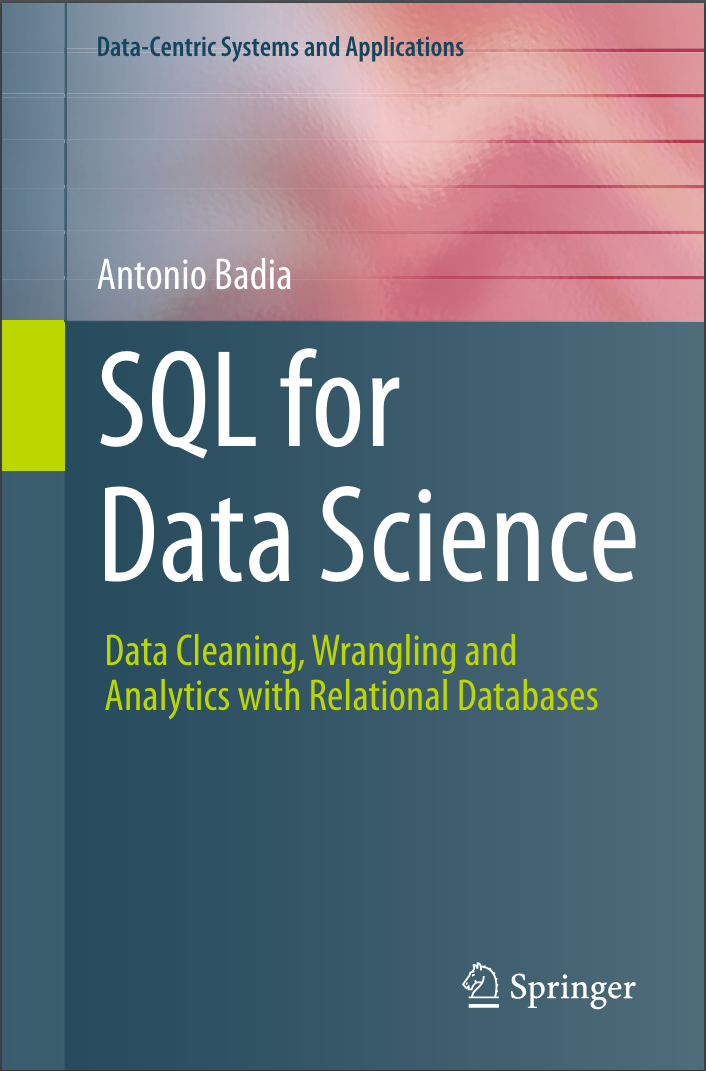 SQL for Data Science: Data Cleaning, Wrangling and Analytics with Relational Databases
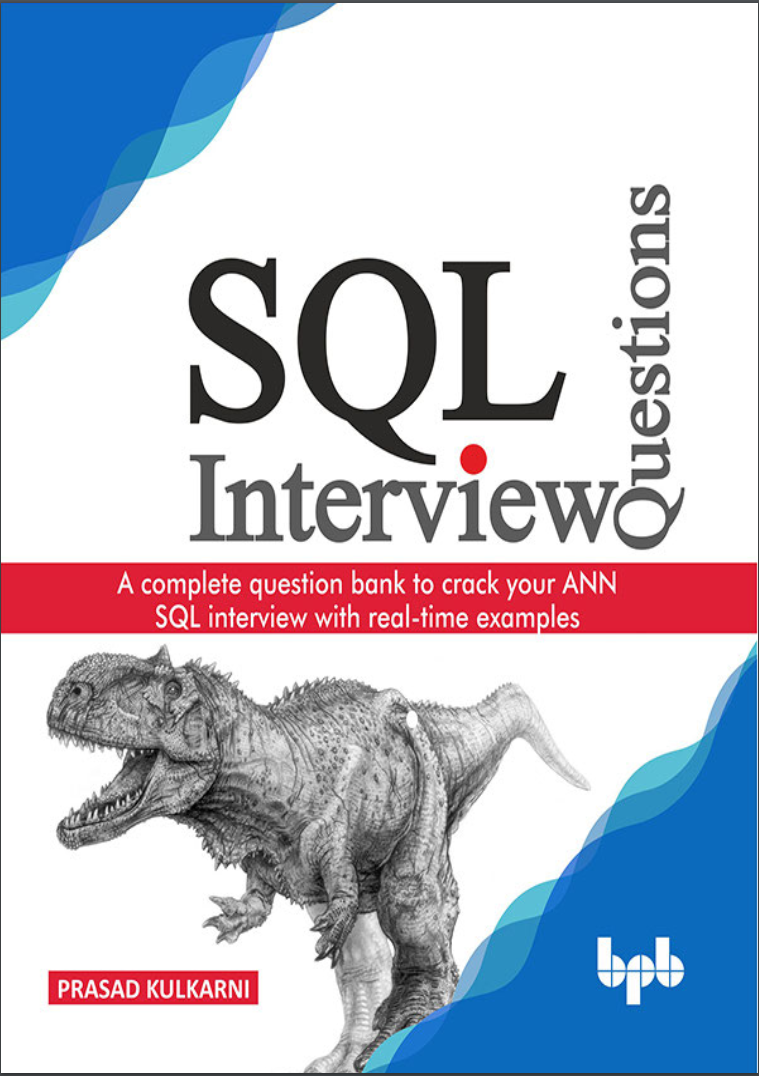 SQL Interview Questions: A complete question bank to crack your ANN SQL interview with real-time examples
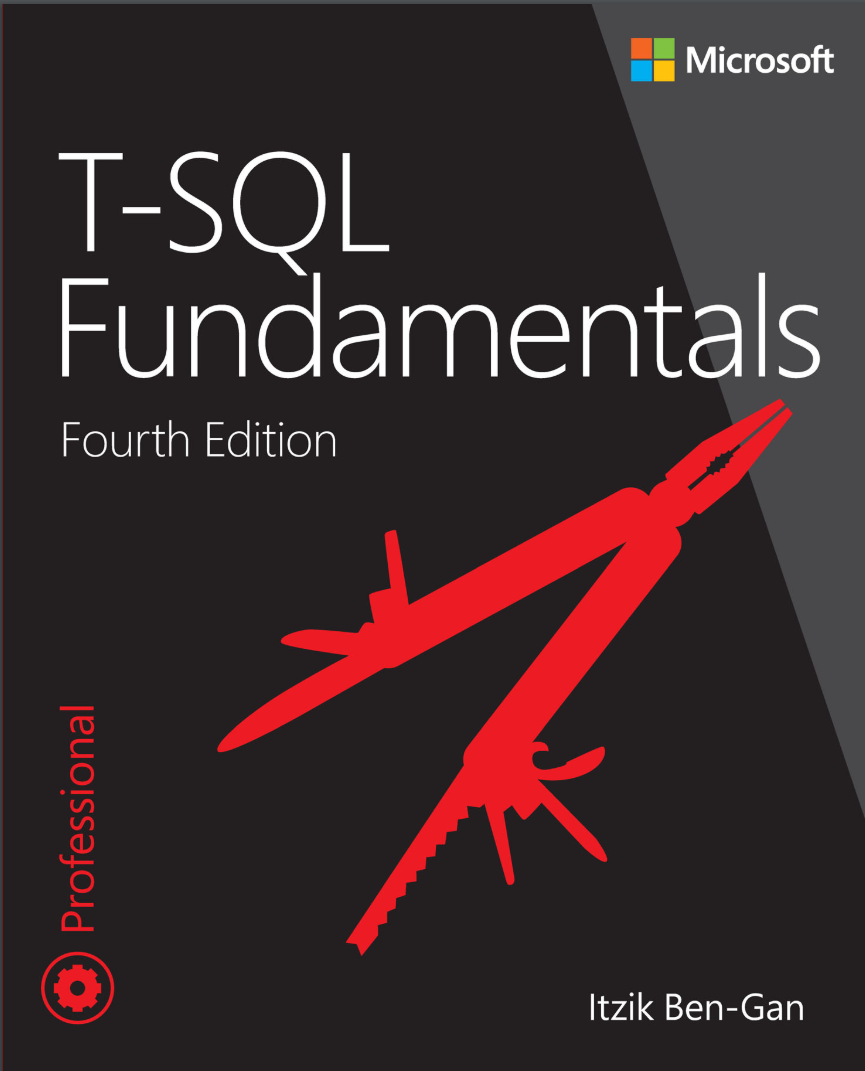 T-SQL Fundamentals. 4Ed
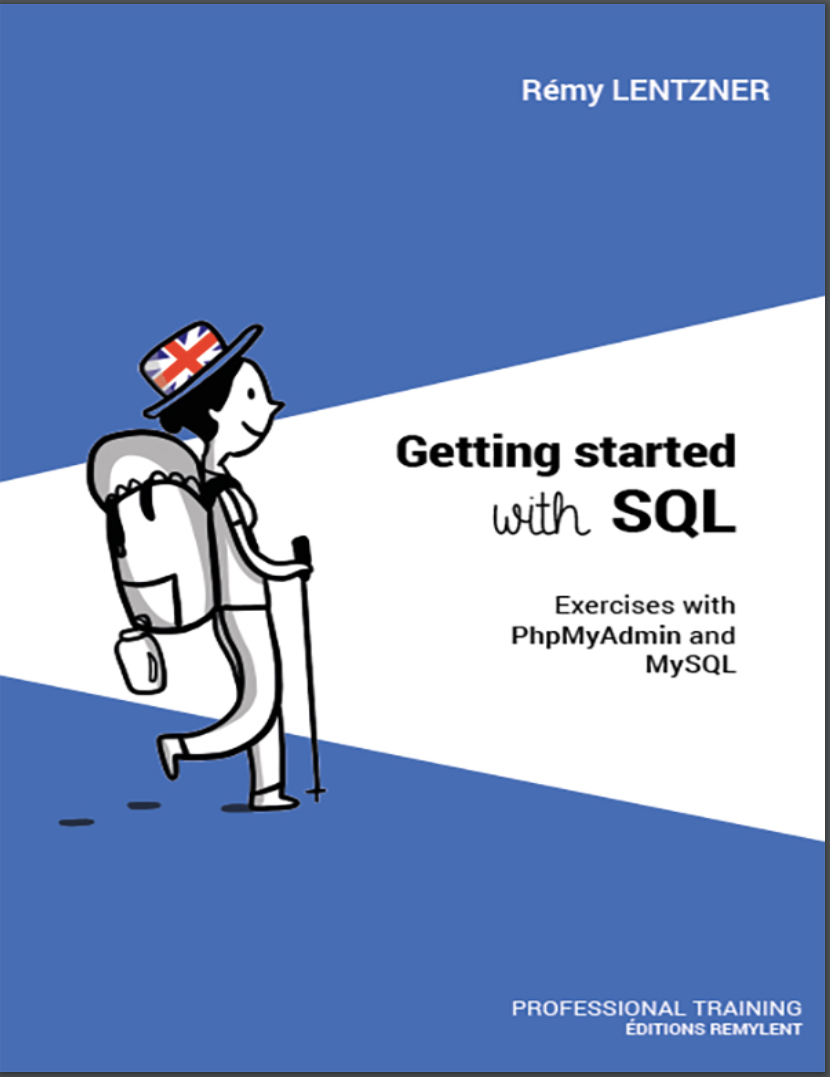 GETTING STARTED WITH SQL. Exercises with PhpMyAdmin and MySQL
 A Comprehensive Study of SQL: Practice and Implementation