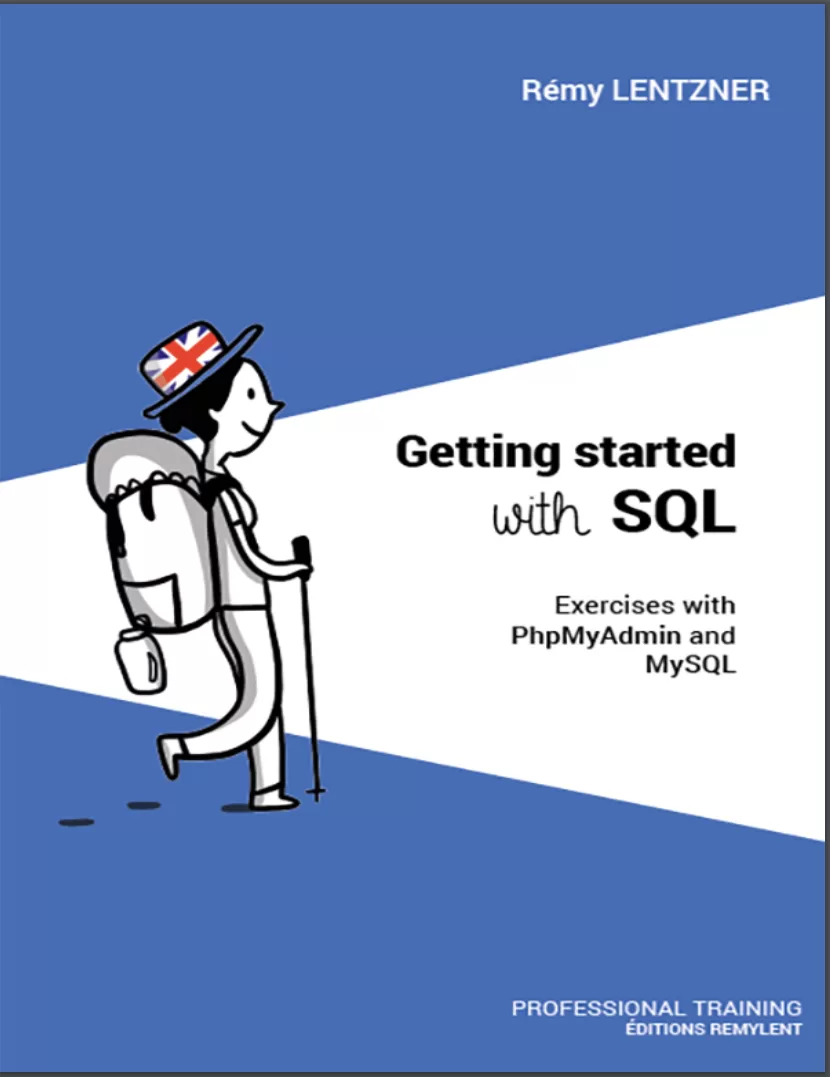
GETTING STARTED WITH SQL. Exercises with PhpMyAdmin and MySQL
Оглавление⌄
CoverTable of ContentsChange HistoryBeta 9—June 9,....2021Beta 8—April 27,....2021Beta 7—March 11,....2021Beta 6—August 11,....2020Beta 5—June 5,....2020Beta 4—March 23,....2020Beta 3—February 9,....2020Beta 2—December 4,....2019Beta 1—October 30,....2019AcknowledgmentsSo You Want to Write Some Client-Side CodeBasic AssumptionsThe Tools We’ll UseHow This Book Is OrganizedLet’s Build an AppThe Sample CodePart I—Getting Started1. Getting Started with Client-Side RailsManaging State and Front-End DevelopmentConfiguring WebpackerUsing WebpackerWhat’s Next2. Hotwire and TurboThe Hotwire WayInstalling TurboWhat Is Turbo Drive?Adding Interactivity with Turbo FramesNavigating Outside a Turbo FrameExtending Our Page with Turbo StreamsTurbo Frames vs. Turbo StreamsLazy Loading a Turbo FrameWhat’s Next3. StimulusWhat Is Stimulus?Installing StimulusAdding Our First ControllerCreating an ActionAdding a TargetUsing ValuesAutomating Value ChangesStimulus Has ClassGoing GenericStimulus Quick ReferenceWhat’s Next4. ReactWhat Is React?Installing ReactAdding Our First ComponentComposing ComponentsConnecting to the PageInteractivity, State, and HooksSharing StateWhat’s Next5. Cascading Style SheetsBuilding CSS in webpackAdding CSS and Assets to webpackAnimating CSSAdding CSS TransitionsAnimating Turbo Streams with Animate.cssUsing CSS and React ComponentsWhat’s NextPart II—Going Deeper6. TypeScriptUsing TypeScriptUnderstanding Basic TypeScript TypesStatic vs. Dynamic TypingAdding Type Annotations to VariablesAdding Type Annotations to FunctionsAdding Type Annotations to ClassesDefining InterfacesType Checking Classes and InterfacesGetting Type Knowledge to TypeScriptWhat’s Next7. webpackUnderstanding Why webpack ExistsManaging Dependencies with YarnUnderstanding webpack ConfigurationWhat’s Next8. WebpackerWebpacker BasicsWriting Code Using WebpackerIntegrating Webpacker with FrameworksRunning webpackDeploying Webpacker in ProductionCustomizing WebpackerWhat’s NextPart III—Managing Servers and State9. Talking to the ServerUsing Stimulus to Manage FormsStimulus and AjaxUsing Data in StimulusAcquiring Data in React with useStateWhat’s Next10. Immediate Communication with ActionCableInstalling ActionCableTurbo Streams and ActionCableStimulus and ActionCableReact and ActionCableWhat’s Next11. Managing State in Stimulus CodeUsing Data Values for LogicObserving and Responding to DOM ChangesRendering CSS with Data AttributesWhat’s Next12. Managing State in ReactUsing ReducersUsing Context to Share StateAdding Asynchronous Events to ContextsWhat’s Next13. Using Redux to Manage StateInstalling and Using ReduxAdding Asynchronous Actions to ReduxWhat’s NextPart IV—Validating Your Code14. Validating Code with Advanced TypeScriptCreating Union TypesSpecifying Types with Literal TypesUsing Enums and Literal TypesBuilding Mapped Types and Utility TypesTypeScript Configuration OptionsDealing with StrictnessWhat’s Next15. Testing with CypressWhy Cypress?Installing CypressConfiguring Cypress and RailsWriting Our First TestUnderstanding How Cypress WorksWhat’s Next16. More Testing and TroubleshootingWriting More Cypress TestsTesting the Schedule FilterCypress and ReactCypress Utilities and APITroubleshootingWhat’s NextA1. Framework SwapThe All-Hotwire AppThe All-React AppComparisonIndex
Описание
В этом материале разберём тему: will.
In this book, you will discover the basics of its organization and its characteristics. SQL (Structured Query Language) is a query language for relational database management. Using the PhpMyAdmin environment, you will learn how to create a database, tables, columns, constraints, keys (primary and foreign), joins and many other specificities.
SQL has a small set of statements and enables you to select records from one or more tables using the universal SELECT command.
Other expressions like UPDATE, INSERT or DELETE will help you to update, insert or delete records. You will also study several functions that manipulate text, dates and numbers.
Thanks to the exercises in this book, you will understand how a small set of statements can perform accurate actions and enhance your skills.
Enjoy your reading!
Файл доступен для загрузки ниже.
Поделиться
Частые вопросы
Можно ли скачать «GETTING STARTED WITH SQL. Exercises with PhpMyAdmin and MySQL» бесплатно?
Да, «GETTING STARTED WITH SQL. Exercises with PhpMyAdmin and MySQL» доступна для бесплатного скачивания на нашем сайте в формате PDF. Ссылка на файл находится на этой странице.
В каком формате и какого размера файл?
Книга предоставляется в формате PDF, размер файла 1,3 МБ.
Кто автор и когда вышла книга?
автор — Lentzner Rémy, издательство Remylent, год выпуска 2023, 94 страниц.
О чём книга «GETTING STARTED WITH SQL. Exercises with PhpMyAdmin and MySQL»?
SQL (Structured Query Language) is a query language for relational database management.
Похожие материалы
 Pro T-SQL 2022: Toward Speed, Scalability, and Standardization for SQL Server Developers. 2 Ed
 Pro Encryption in SQL Server 2022: Provide the Highest Level of Protection for Your Data
 PostgreSQL Query Optimization: The Ultimate Guide to Building Efficient Queries
 SQL for Data Science: Data Cleaning, Wrangling and Analytics with Relational Databases
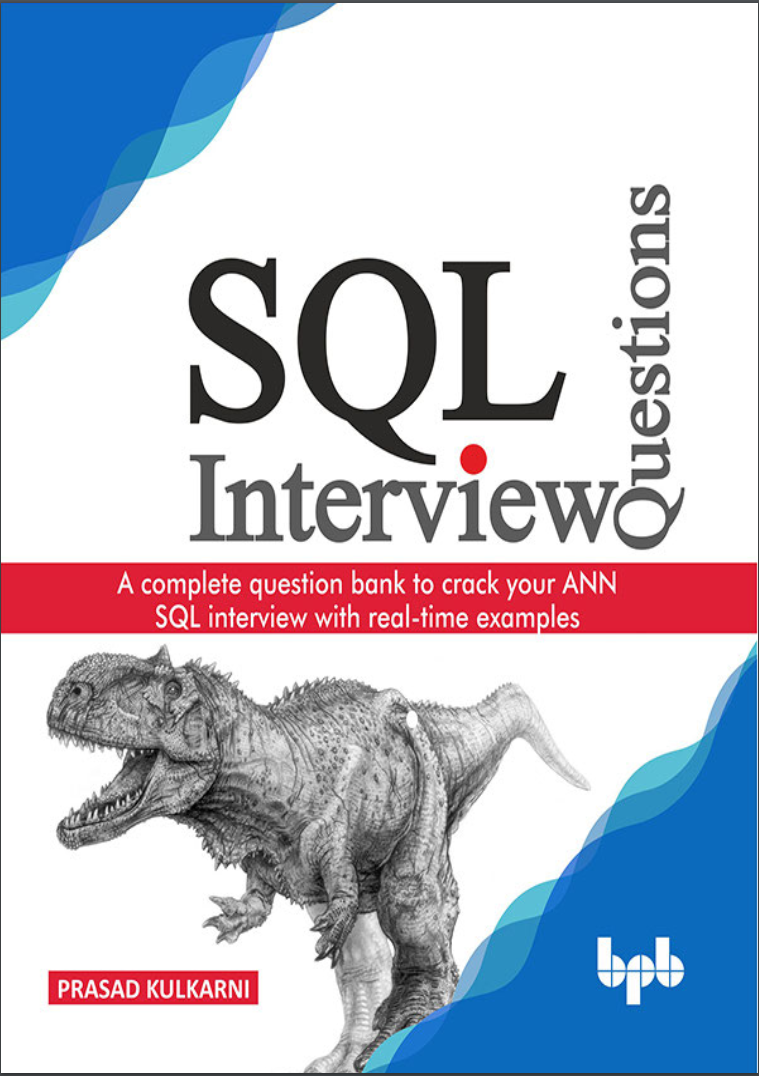 SQL Interview Questions: A complete question bank to crack your ANN SQL interview with real-time examples
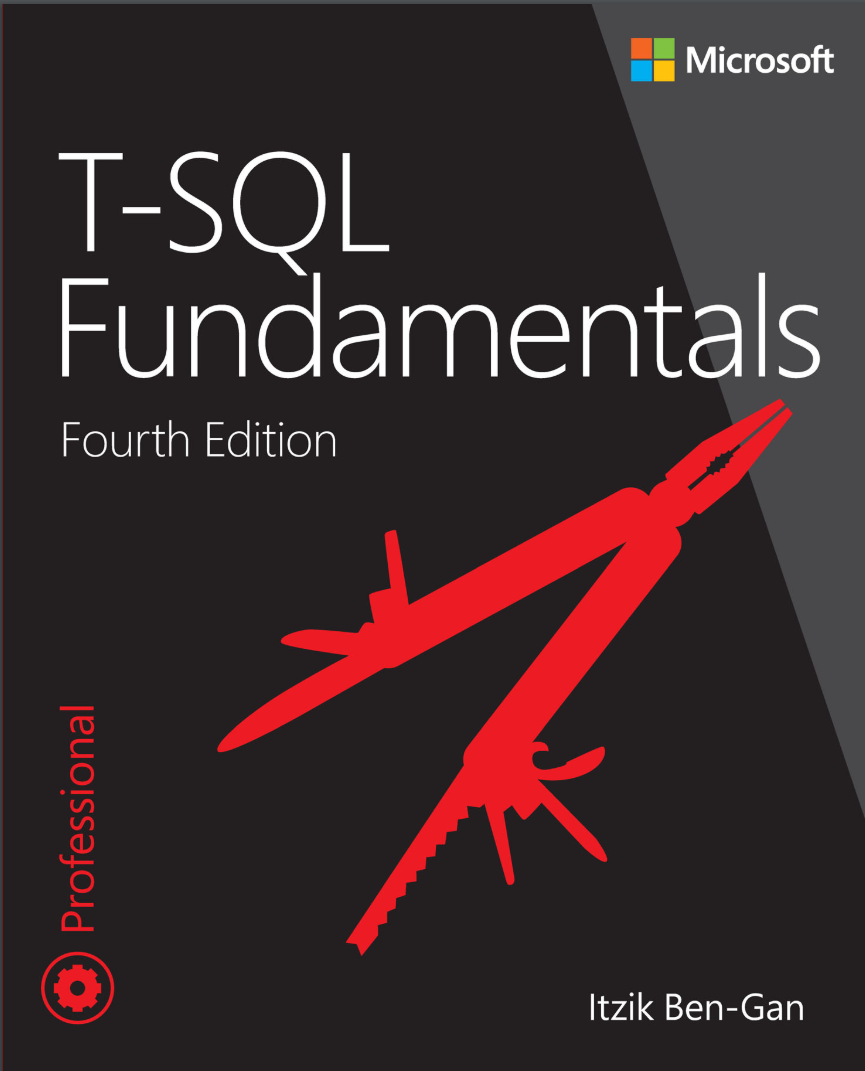 T-SQL Fundamentals. 4Ed
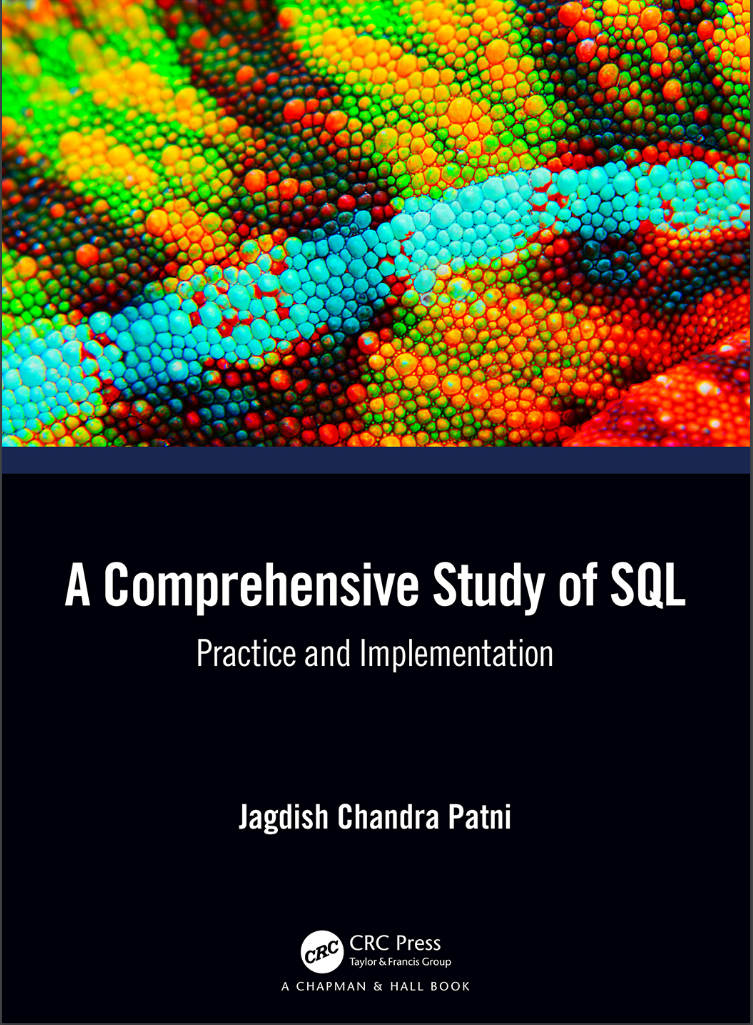 A Comprehensive Study of SQL: Practice and Implementation
 Основы использования и проектирования баз данных. Учебник для СПО