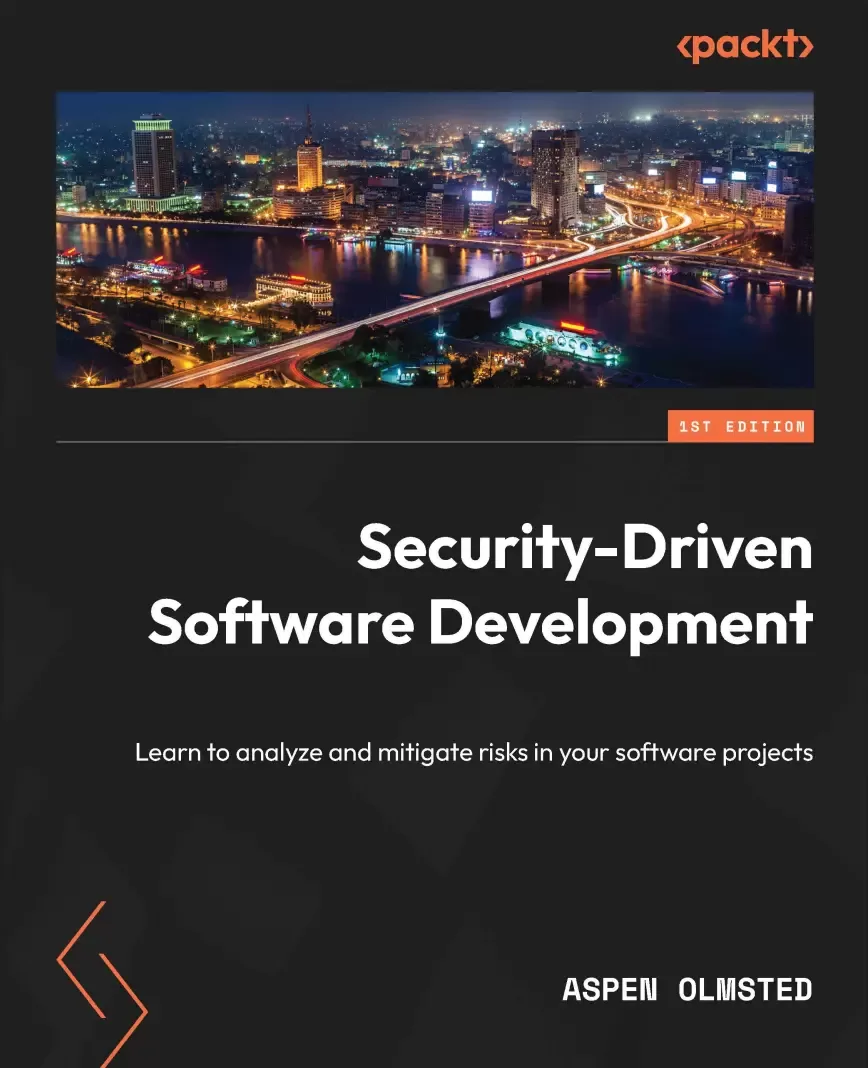
Security-Driven Software Development: Learn to analyze and mitigate risks in your software projects
Оглавление⌄
Cover....1 Title Page....2 Copyright....3 Dedication....4 Contributors....5 Table of Contents....8 Preface....14 Part 1: Modeling a Secure Application....18 Chapter 1: Security Principles....20 What could go wrong?....20 Principles....21 Open Web Application Security Project....22 NIST’s Secure Software Development Framework....23 MITRE frameworks....24 Software development lifecycles....25 Microsoft’s Security Development Lifecycle....27 Confidentiality, integrity, and availability....28 Summary....29 Self-assessment questions....29 Answers....31 Chapter 2: Designing a Secure Functional Model....32 Requirements gathering and specification....32 Non-functional requirements and security....33 Capturing scenarios....35 Textual use cases and misuse cases....36 Graphical use cases and misuse cases....38 Graphical use case diagram....39 Graphical misuse case diagram....39 Example enterprise secure functional model....40 Purchase of tickets via self-service....40 Trying to purchase tickets beyond the patron limit....40 Summary....42 Self-assessment questions....42 Answers....43 Chapter 3: Designing a Secure Object Model....44 Identify objects and relationships....44 Class diagrams....46 Stereotypes....52 Invariants....53 Example of the enterprise secure object model....54 Summary....56 Self-assessment questions....56 Answers....58 Chapter 4: Designing a Secure Dynamic Model....60 Technical requirements....60 Object behavior....61 Modeling interactions between objects....64 UML sequence diagrams....66 UML activity diagrams....69 Constraints....72 Example of the enterprise secure dynamic model....74 Summary....76 Self-assessment questions....76 Answers....78 Chapter 5: Designing a Secure System Model....80 Partitions....80 Modeling interactions between partitions....82 UML component diagrams....83 Patterns....86 Example – developing an enterprise secure system model....94 Summary....95 Self-assessment questions....96 Answers....97 Chapter 6: Threat Modeling....98 Threat model overview....99 The STRIDE threat model....101 The DREAD threat model....103 Attack trees....105 Mitigations....108 Microsoft Threat Modeling Tool....109 Example of an enterprise threat model....111 Summary....112 Self-assessment questions....113 Answers....114 Part 2: Mitigating Risks in Implementation....116 Chapter 7: Authentication and Authorization....118 Authentication....119 Authorization....120 Security Models....121 Single sign-on and open authorization....122 Single sign-on (SSO)....123 Open authorization (OAuth)....123 Implementing SSO and OAuth with Google....125 Example of enterprise implementation....129 Summary....132 Self-assessment questions....132 Answers....133 Chapter 8: Input Validation and Sanitization....134 Input validation....134 Input sanitization....136 Language-specific defenses....137 Buffer overflows....140 Example of the enterprise input validation and sanitization....141 Summary....144 Self-assessment questions....144 Answers....145 Chapter 9: Standard Web Application Vulnerabilities....146 Injection attacks....146 Broken authentication and session management....148 Request forgery....150 Language-specific defenses....152 Example of enterprise web defenses....154 Summary....157 Self-assessment questions....157 Answers....158 Chapter 10: Database Security....160 Overview of SQL....160 SQL injection....162 Maintaining database correctness....163 Managing activity concurrency....165 Language-specific defenses....167 RBAC security in DBMS....169 Encryption in DBMS....171 An example of enterprise DB security....173 Summary....174 Self-assessment questions....175 Answers....176 Part 3: Security Validation....178 Chapter 11: Unit Testing....180 The principles of unit testing....180 The advantages of unit testing....181 Unit testing frameworks....182 An example of enterprise threat model....183 PHPUnit....184 JUnit....187 PyUnit....191 Summary....193 Self-assessment questions....193 Answers....194 Chapter 12: Regression Testing....196 Regression testing overview....196 Key concepts....197 Process....197 Benefits....198 Robotic process automation....198 The intersection of RPA and regression testing....199 Regression testing tools....199 Load testing....201 Integration and complementarity....202 UI.Vision RPA....203 Example of the enterprise regression tests....204 Summary....207 Self-assessment questions....207 Answers....208 Chapter 13: Integration, System, and Acceptance Testing....210 Types of integration tests....211 Mocks....212 Stubs....213 Examples of enterprise integration testing....214 System testing....216 Acceptance testing....217 Summary....219 Self-assessment questions....219 Answers....220 Chapter 14: Software Penetration Testing....222 Types of tests....222 Phases....224 Tools....226 Information gathering and reconnaissance....226 Vulnerability analysis and exploitation....228 Post-exploitation and privilege escalation....233 Network sniffing....234 Forensics and monitoring....236 Reporting and documentation....238 An example of an enterprise penetration test report....240 High-level summary....240 Host analysis....240 Summary....243 Self-assessment questions....243 Answers....244 Index....246 About PACKT....258 Other Books You May Enjoy....259
Описание
Ниже — практический обзор по теме «software».
Trace security requirements through each development phase, mitigating multiple-layer attacks with practical examples, and emerge equipped with the skills to build resilient applications
Perfect for any programmer or developer working on mission-critical applications, this hands-on guide helps you adopt secure software development practices. Key FeaturesExplore the practical application of secure software development methodologiesModel security vulnerabilities throughout the software development lifecycle (SDLC)Develop the skills to trace requirements, from requirements gathering through to implementationPurchase of the print or Kindle book includes a free PDF eBookBook DescriptionExtend your software development skills to integrate security into every aspect of your projects. Explore core concepts like security specifi cation, modeling, and threat mitigation with the iterative approach of this book that allows you to trace security requirements through each phase of software development. Through an example application project involving an entertainment ticketing software system, you’ll look at high-profi le security incidents that have aff ected popular music stars and performers. You won’t stop at the basics; you’ll delve into multiple-layer att acks and develop the mindset to prevent them. Drawing from the author’s decades of experience building secure applications in this domain, this book off ers comprehensive techniques where problem-solving meets practicality for secure development.
By the end of this book, you’ll have gained the expertise to systematically secure software projects, from crafting robust security specifi cations to adeptly mitigating multifaceted threats, ensuring your applications stand resilient in the face of evolving cybersecurity challenges.
What you will learnFind out non-functional requirements crucial for software security, performance, and reliabilityDevelop the skills to identify and model vulnerabilities in software design and analysisAnalyze and model various threat vectors that pose risks to software applicationsAcquire strategies to mitigate security threats specific to web applicationsAddress threats to the database layer of an applicationTrace non-functional requirements through secure software designWho this book is forMany software development jobs require developing, maintaining, enhancing, administering, and defending software applications, websites, and scripts. This book is designed for software developers and web developers seeking to excel in these roles, offering concise explanations and applied example use-cases.
Если материал оказался полезен — сохраните страницу.
Поделиться
Частые вопросы
Можно ли скачать «Security-Driven Software Development: Learn to analyze and mitigate risks in your software projects» бесплатно?
Да, «Security-Driven Software Development: Learn to analyze and mitigate risks in your software projects» доступна для бесплатного скачивания на нашем сайте в формате PDF. Ссылка на файл находится на этой странице.
В каком формате и какого размера файл?
Книга предоставляется в формате PDF, размер файла 4,7 МБ.
Кто автор и когда вышла книга?
автор — Olmsted Aspen, издательство Packt Publishing Limited, год выпуска 2024, 262 страниц.
О чём книга «Security-Driven Software Development: Learn to analyze and mitigate risks in your software projects»?
Trace security requirements through each development phase, mitigating multiple-layer attacks with practical examples, and emerge equipped with the skills to build resilient applicationsKey FeaturesExplore the practical application of secur
Похожие материалы
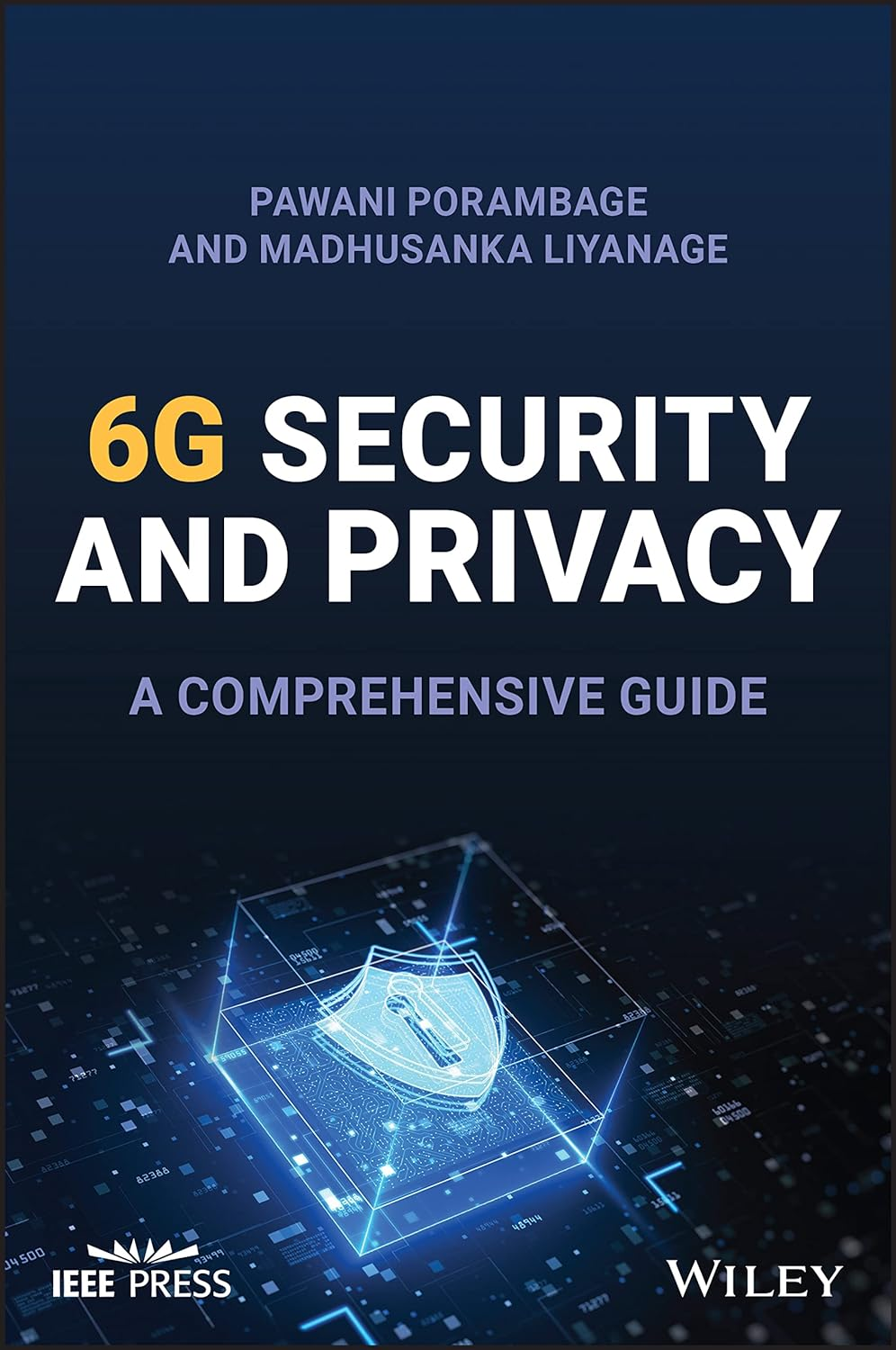 Security and Privacy Vision in 6G: A Comprehensive Guide
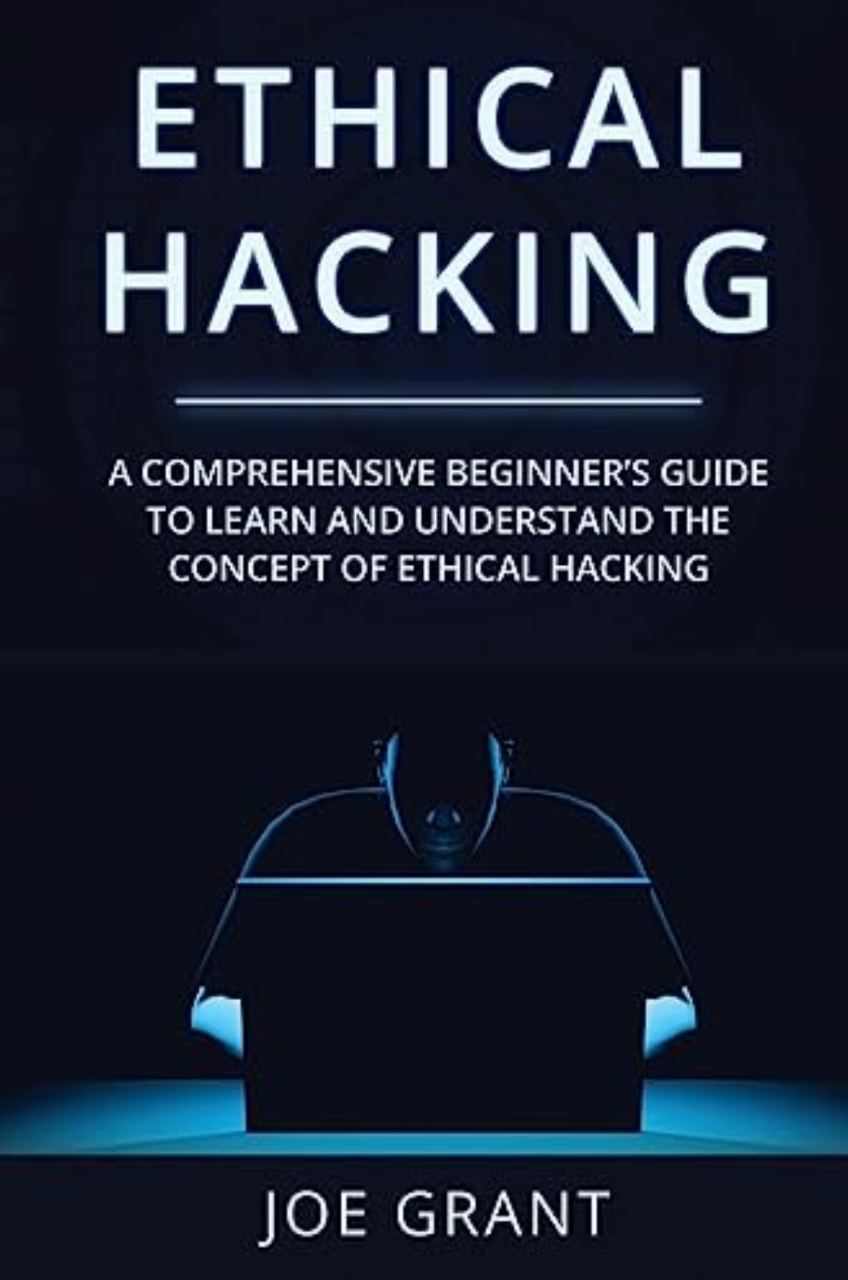 Ethical Hacking: A Comprehensive Beginner’s Guide to Learn and Understand the Concept of Ethical Hacking
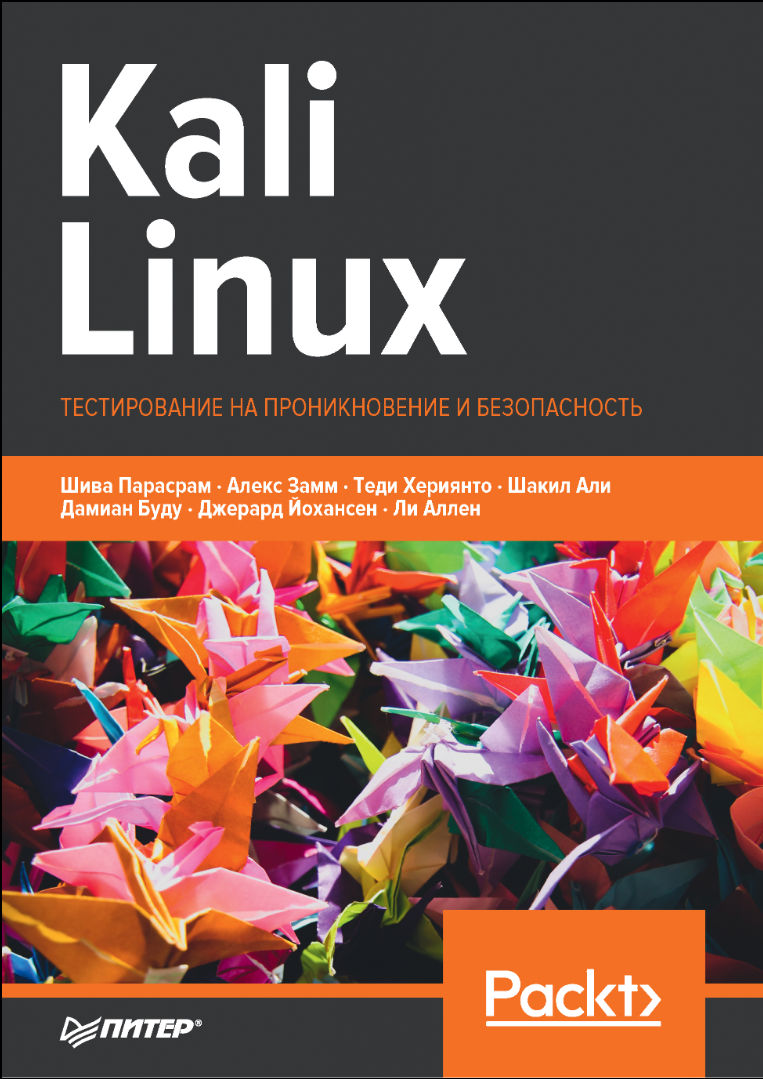 Kali Linux. Тестирование на проникновение и безопасность
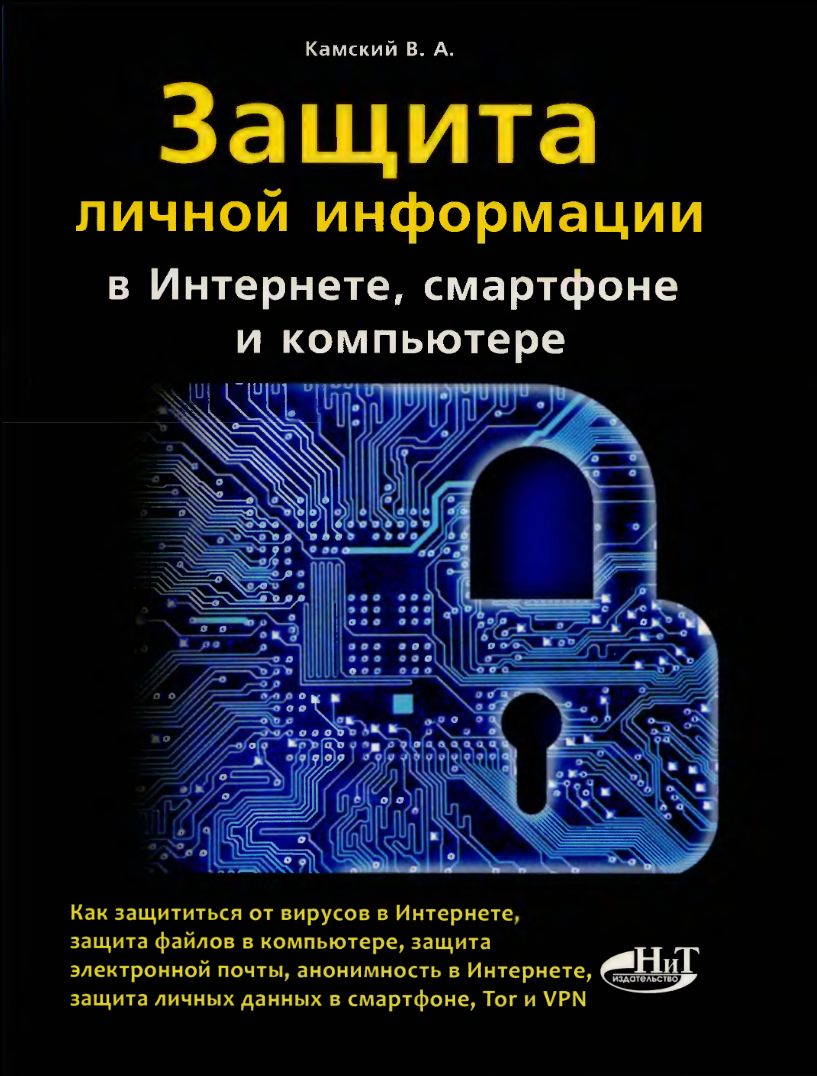 Защита личной информации в интернете, смартфоне и компьютере
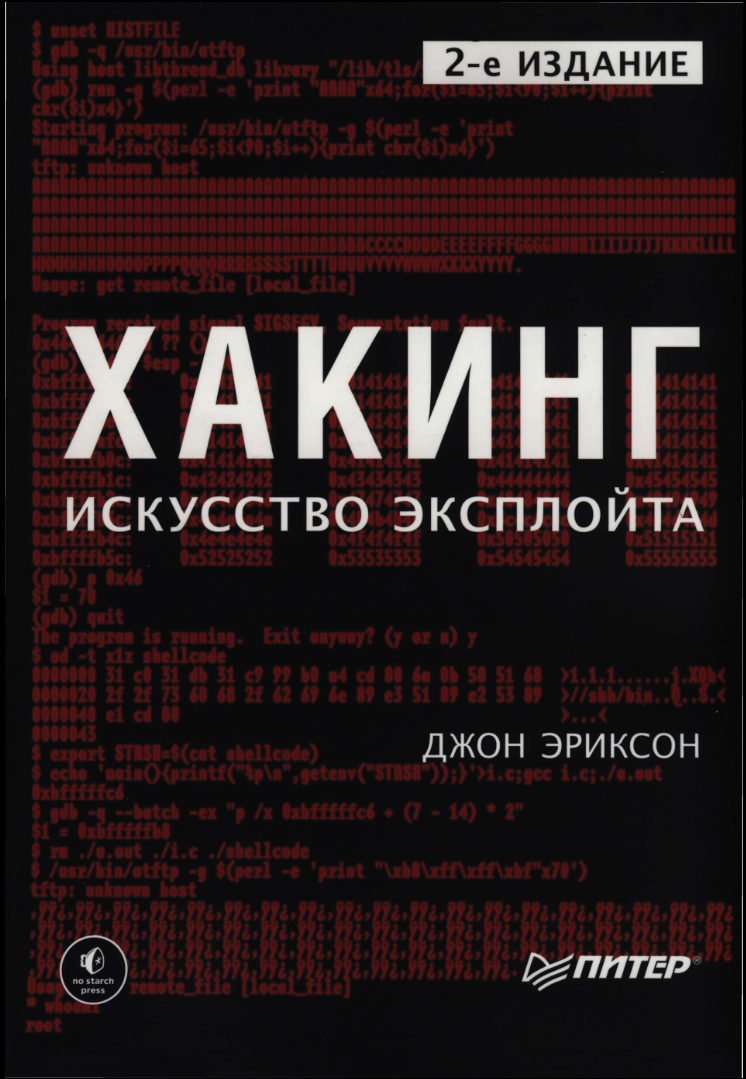 Хакинг. Искусство эксплойта. 2 изд
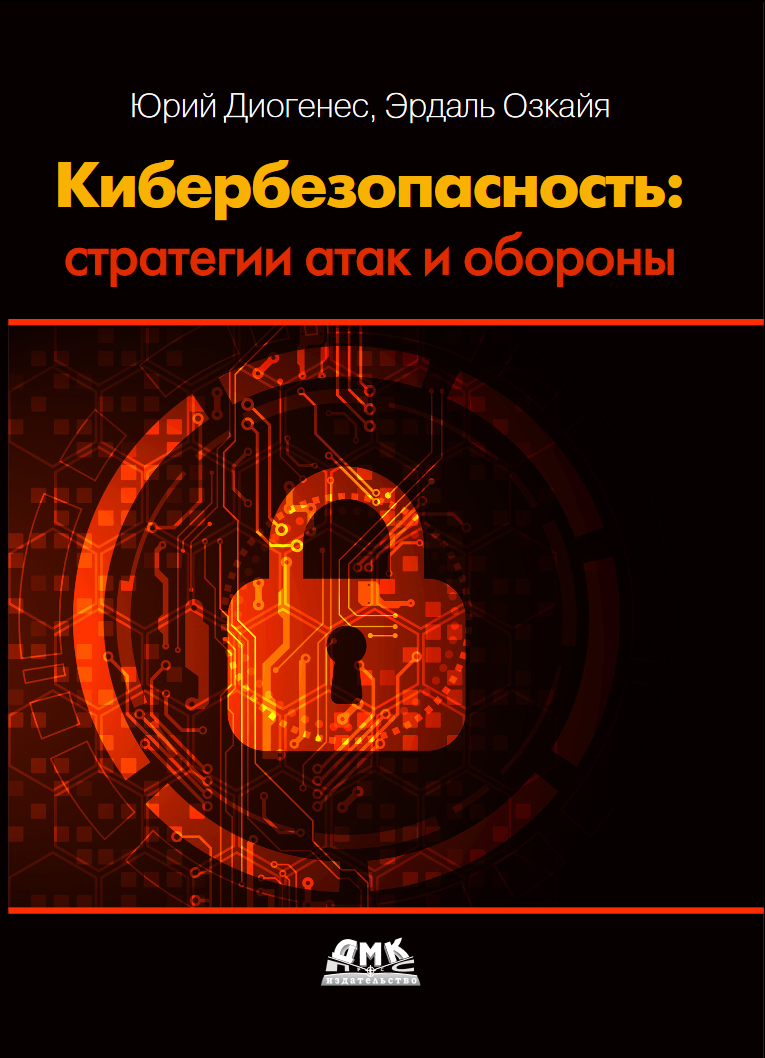 Кибербезопасность стратегии атак и обороны. Безопасность инфраструктуры с использованием тактик Красной и Синей команд
 Секреты безопасности и анонимности в интернете
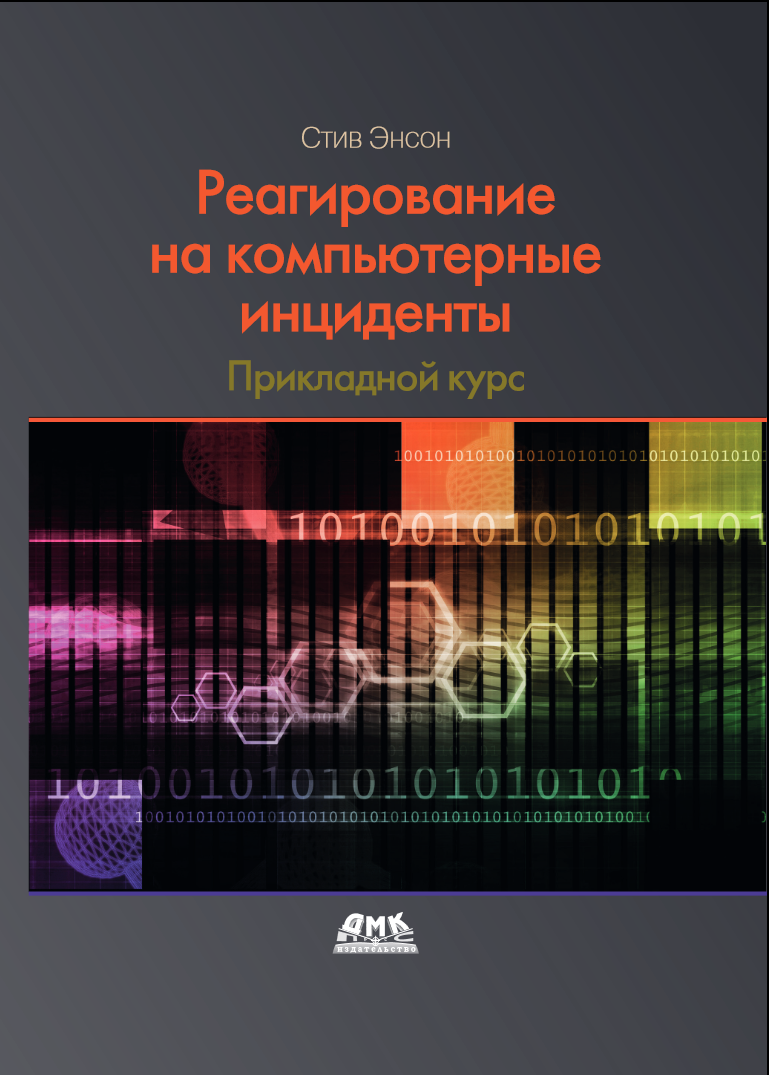 Реагирование на компьютерные инциденты. Прикладной курс