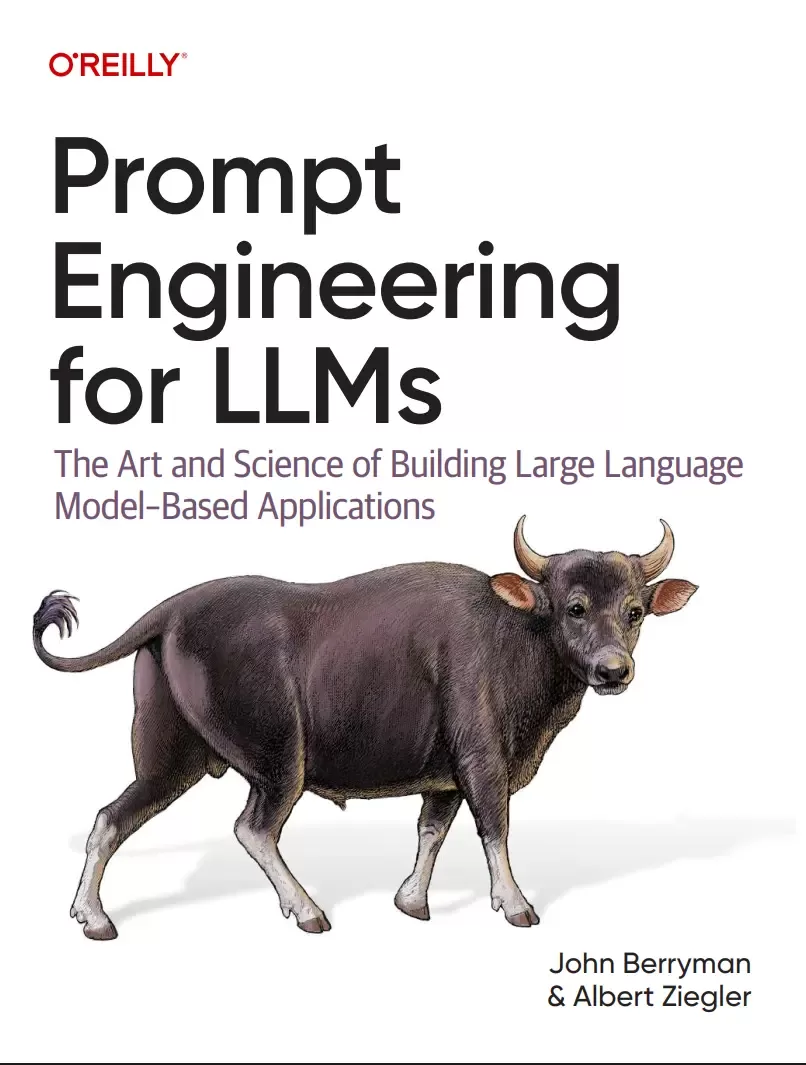
Prompt Engineering for LLMs: The Art and Science of Building Large Language Model–Based Applications
Оглавление⌄
CopyrightTable of ContentsPrefaceWho Is This Book For?What You Will LearnConventions Used in This BookO’Reilly Online LearningHow to Contact UsAcknowledgmentsFrom JohnFrom AlbertPart I. FoundationsChapter 1. Introduction to Prompt EngineeringLLMs Are MagicLanguage Models: How Did We Get Here?Early Language ModelsGPT Enters the ScenePrompt EngineeringConclusionChapter 2. Understanding LLMsWhat Are LLMs?Completing a DocumentHuman Thought Versus LLM ProcessingHallucinationsHow LLMs See the WorldDifference 1: LLMs Use Deterministic TokenizersDifference 2: LLMs Can’t Slow Down and Examine LettersDifference 3: LLMs See Text DifferentlyCounting TokensOne Token at a TimeAuto-Regressive ModelsPatterns and RepetitionsTemperature and ProbabilitiesThe Transformer ArchitectureConclusionChapter 3. Moving to ChatReinforcement Learning from Human FeedbackThe Process of Building an RLHF ModelKeeping LLMs HonestAvoiding Idiosyncratic BehaviorRLHF Packs a Lot of Bang for the BuckBeware of the Alignment TaxMoving from Instruct to ChatInstruct ModelsChat ModelsThe Changing APIChat Completion APIComparing Chat with CompletionMoving Beyond Chat to ToolsPrompt Engineering as PlaywritingConclusionChapter 4. Designing LLM ApplicationsThe Anatomy of the LoopThe User’s ProblemConverting the User’s Problem to the Model DomainUsing the LLM to Complete the PromptTransforming Back to User DomainZooming In to the Feedforward PassBuilding the Basic Feedforward PassExploring the Complexity of the LoopEvaluating LLM Application QualityOffline EvaluationOnline EvaluationConclusionPart II. Core TechniquesChapter 5. Prompt ContentSources of ContentStatic ContentClarifying Your QuestionFew-Shot PromptingDynamic ContentFinding Dynamic ContextRetrieval-Augmented GenerationSummarizationConclusionChapter 6. Assembling the PromptAnatomy of the Ideal PromptWhat Kind of Document?The Advice ConversationThe Analytic ReportThe Structured DocumentFormatting SnippetsMore on InertnessFormatting Few-Shot ExamplesElastic SnippetsRelationships Among Prompt ElementsPositionImportanceDependencyPutting It All TogetherConclusionChapter 7. Taming the ModelAnatomy of the Ideal CompletionThe PreambleRecognizable Start and EndPostscriptBeyond the Text: LogprobsHow Good Is the Completion?LLMs for ClassificationCritical Points in the PromptChoosing the ModelConclusionPart III. An Expert of the CraftChapter 8. Conversational AgencyTool UsageLLMs Trained for Tool UsageGuidelines for Tool DefinitionsReasoningChain of ThoughtReAct: Iterative Reasoning and ActionBeyond ReActContext for Task-Based InteractionsSources for ContextSelecting and Organizing ContextBuilding a Conversational AgentManaging ConversationsUser ExperienceConclusionChapter 9. LLM WorkflowsWould a Conversational Agent Suffice?Basic LLM WorkflowsTasksAssembling the WorkflowExample Workflow: Shopify Plug-in MarketingAdvanced LLM WorkflowsAllowing an LLM Agent to Drive the WorkflowStateful Task AgentsRoles and DelegationConclusionChapter 10. Evaluating LLM ApplicationsWhat Are We Even Testing?Offline EvaluationExample SuitesFinding SamplesEvaluating SolutionsSOMA AssessmentOnline EvaluationA/B TestingMetricsConclusionChapter 11. Looking AheadMultimodalityUser Experience and User InterfaceIntelligenceConclusionIndexAbout the AuthorsColophon
Описание
Коротко и по делу о том, что важно знать про prompt.
A new generation of software applications are using these models as building blocks to unlock new potential in almost every domain, but reliably accessing these capabilities requires new skills. Large language models (LLMs) are revolutionizing the world, promising to automate tasks and solve complex problems. This book will teach you the art and science of prompt engineering-the key to unlocking the true potential of LLMs.
Industry experts John Berryman and Albert Ziegler share how to communicate effectively with AI, transforming your ideas into a language model-friendly format. By learning both the philosophical foundation and practical techniques, you'll be equipped with the knowledge and confidence to build the next generation of LLM-powered applications.
Understand LLM architecture and learn how to best interact with itDesign a complete prompt-crafting strategy for an applicationGather, triage, and present context elements to make an efficient promptMaster specific prompt-crafting techniques like few-shot learning, chain-of-thought prompting, and RAG
На этом основные моменты по теме закрыты.
Поделиться
Частые вопросы
Можно ли скачать «Prompt Engineering for LLMs: The Art and Science of Building Large Language Model–Based Applications» бесплатно?
Да, «Prompt Engineering for LLMs: The Art and Science of Building Large Language Model–Based Applications» доступна для бесплатного скачивания на нашем сайте в формате PDF. Ссылка на файл находится на этой странице.
В каком формате и какого размера файл?
Книга предоставляется в формате PDF, размер файла 3,6 МБ.
Кто автор и когда вышла книга?
автор — Berryman John , Ziegler Albert, издательство O’Reilly Media, Inc., год выпуска 2025, 282 страниц.
О чём книга «Prompt Engineering for LLMs: The Art and Science of Building Large Language Model–Based Applications»?
Large language models (LLMs) are revolutionizing the world, promising to automate tasks and solve complex problems.
Похожие материалы
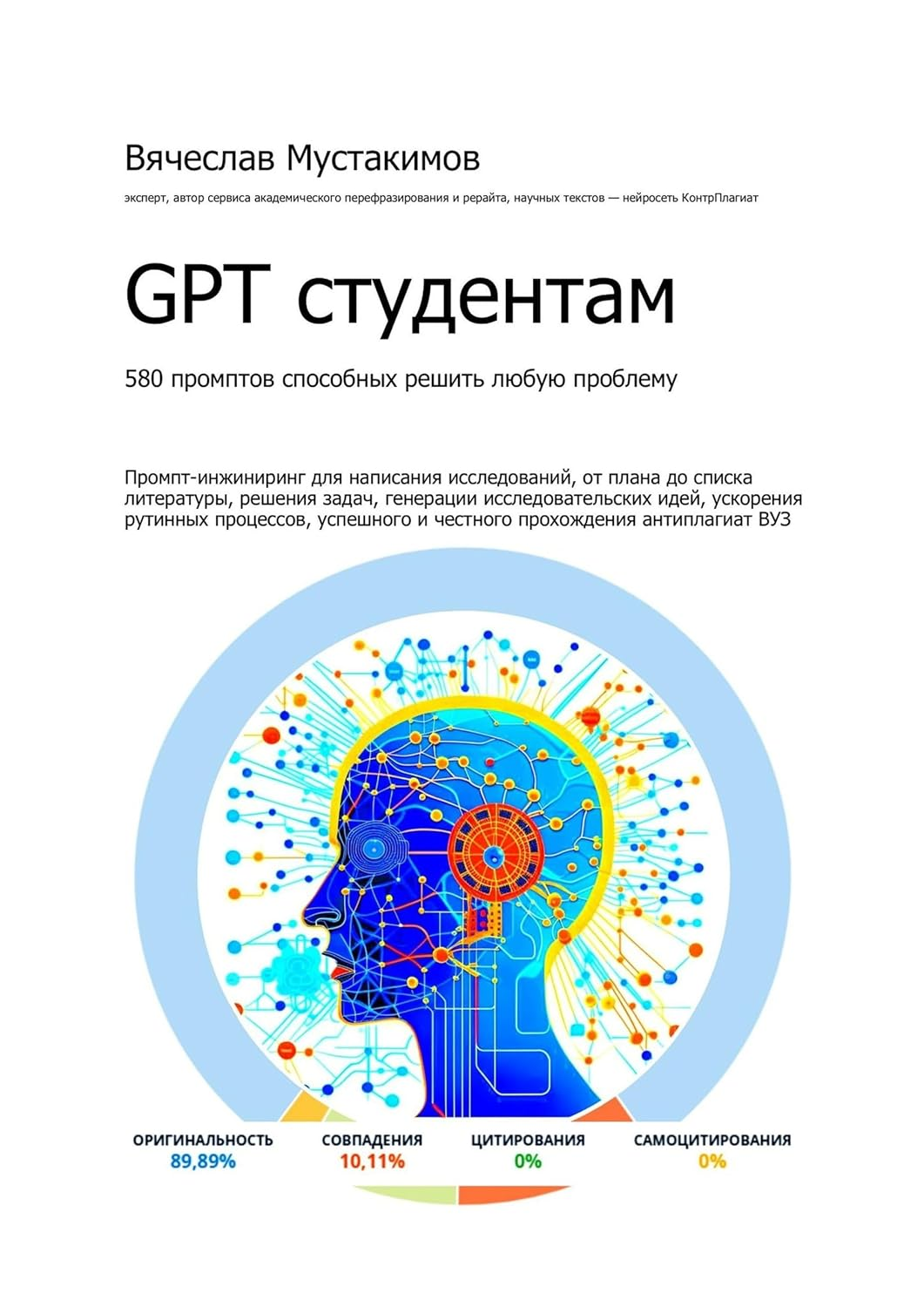 GPT студентам
 ChatGPT для саморазвития
 Всё об ИИ чат-боте ChatGPT
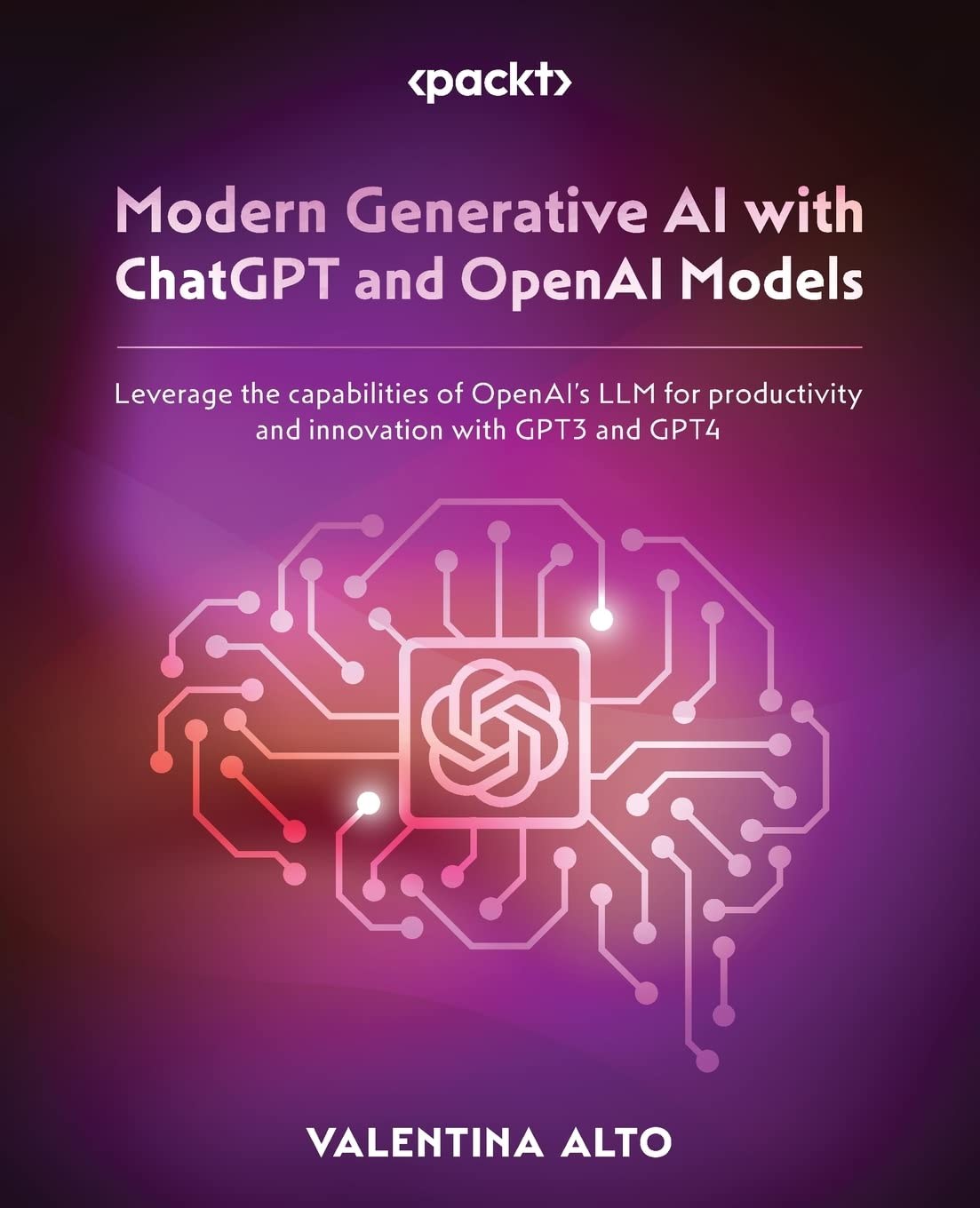 Modern Generative AI with ChatGPT and OpenAI Models
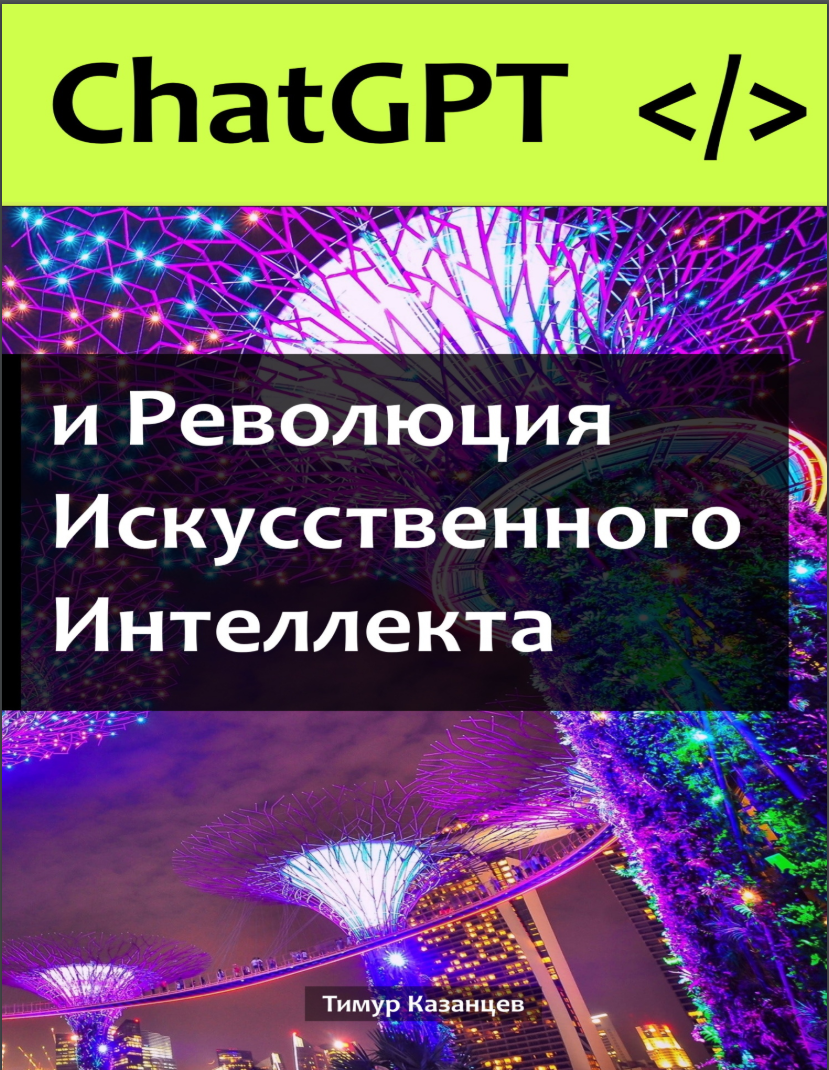 ChatGPT и Революция Искусственного Интеллекта
 ChatGPT для чайников
 ChatGPT and Bard for Business Automation
 Building AI Applications with ChatGPT APIs: Master ChatGPT, Whisper, and DALL-E APIs by building ten innovative AI projects