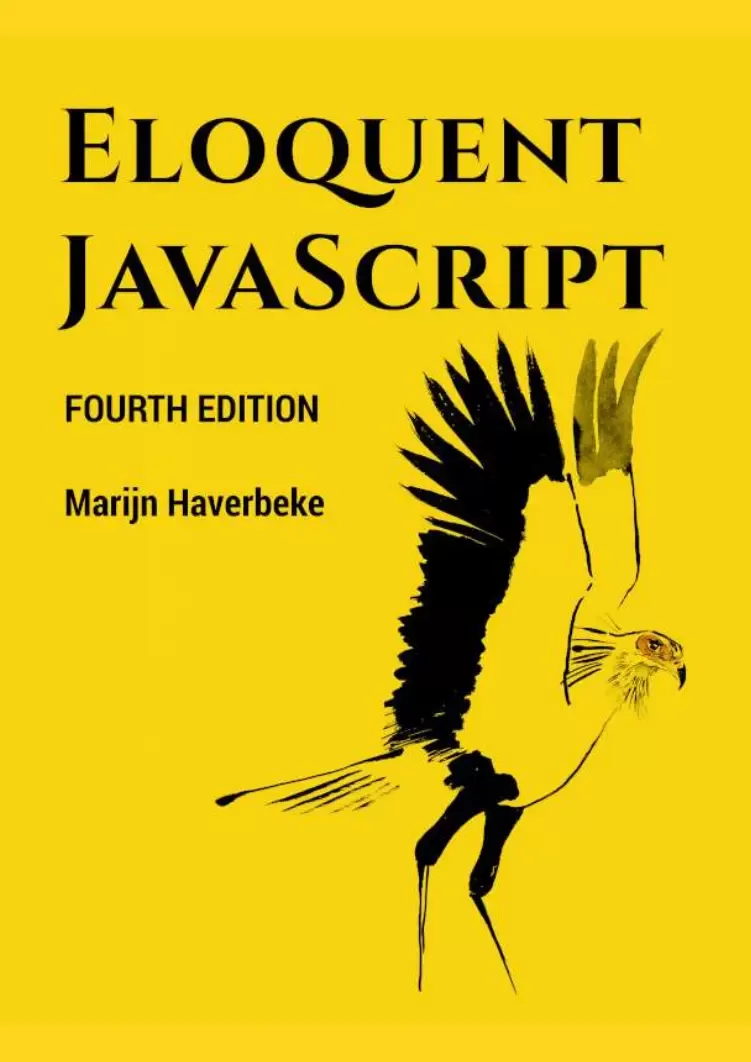
Eloquent JavaScript. 4 Ed
Оглавление⌄
Modeling and Simulation Book - Table of ContentsFront MatterAcknowledgmentsIntroductionWho Is This Book For?How Much Math and Science Do I Need?How Much Programming Do I Need?Book OverviewTeaching ModelingGetting StartedInstalling PythonRunning JupyterSuggestions and CorrectionsPART I: DISCRETE SYSTEMSChapter 1: Introduction to ModelingThe Modeling FrameworkTesting the Falling Penny MythComputation in PythonFalse PrecisionComputation with UnitsSummaryExercisesChapter 2: Modeling a Bike Share SystemOur Bike Share ModelDefining FunctionsPrint Statementsif StatementsParametersfor LoopsTimeSeriesPlottingSummaryExercisesUnder the HoodChapter 3: Iterative ModelingIterating on Our Bike Share ModelUsing More Than One State ObjectDocumentationDealing with Negative BikesComparison OperatorsIntroducing MetricsSummaryExercisesChapter 4: Parameters and MetricsFunctions That Return ValuesLoops and ArraysSweeping ParametersIncremental DevelopmentSummaryExercisesChallenge ExercisesUnder the HoodChapter 5: Building a Population ModelExploring the DataAbsolute and Relative ErrorsModeling Population GrowthSimulating Population GrowthSummaryExerciseChapter 6: Iterating the Population ModelSystem ObjectsA Proportional Growth ModelFactoring Out the Update FunctionCombining Birth and DeathSummaryExerciseUnder the HoodChapter 7: Limits to GrowthQuadratic GrowthNet GrowthFinding EquilibriumDysfunctionsSummaryExercisesChapter 8: Projecting into the FutureGenerating ProjectionsComparing ProjectionsSummaryExerciseChapter 9: Analysis and Symbolic ComputationDifference EquationsDifferential EquationsAnalysis and SimulationAnalysis with WolframAlphaAnalysis with SymPyDifferential Equations in SymPySolving the Quadratic Growth ModelSummaryExercisesChapter 10: Case Studies Part IHistorical World PopulationOne Queue or Two?Predicting Salmon PopulationsTree GrowthPART II: FIRST-ORDER SYSTEMSChapter 11: Epidemiology and SIR ModelsThe Freshman PlagueThe Kermack-McKendrick ModelThe KM EquationsImplementing the KM ModelThe Update FunctionRunning the SimulationCollecting the ResultsNow with a TimeFrameSummaryExerciseChapter 12: Quantifying InterventionsThe Effects of ImmunizationChoosing MetricsSweeping ImmunizationSummaryExerciseChapter 13: Sweeping ParametersSweeping BetaSweeping GammaUsing a SweepFrameSummaryExerciseChapter 14: NondimensionalizationBeta and GammaExploring the ResultsContact NumberComparing Analysis and SimulationEstimating the Contact NumberSummaryExercisesUnder the HoodChapter 15: Thermal SystemsThe Coffee Cooling ProblemTemperature and HeatHeat TransferNewton's Law of CoolingImplementing Newtonian CoolingFinding RootsEstimating rSummaryExercisesChapter 16: Solving the Coffee ProblemMixing LiquidsMix First or Last?Optimal TimingThe Analytic SolutionSummaryExercisesChapter 17: Modeling Blood SugarThe Minimal ModelThe Glucose Minimal ModelGetting the DataInterpolationSummaryExercisesChapter 18: Implementing the Minimal ModelImplementing the ModelThe Update FunctionRunning the SimulationSolving Differential EquationsSummaryExerciseChapter 19: Case Studies Part IIRevisiting the Minimal ModelThe Insulin Minimal ModelLow-Pass FilterThermal Behavior of a WallHIVPART III: SECOND-ORDER SYSTEMSChapter 20: The Falling Penny RevisitedNewton's Second Law of MotionDropping PenniesEvent FunctionsSummaryExerciseChapter 21: DragCalculating Drag ForceThe Params ObjectSimulating the Penny DropSummaryExercisesChapter 22: Two-Dimensional MotionAssumptions and DecisionsVectorsSimulating Baseball FlightDrag ForceAdding an Event FunctionVisualizing TrajectoriesAnimating the BaseballSummaryExercisesChapter 23: OptimizationThe Manny Ramirez ProblemFinding the RangeSummaryExerciseUnder the HoodChapter 24: RotationThe Physics of Toilet PaperSetting ParametersSimulating the SystemPlotting the ResultsThe Analytic SolutionSummaryExerciseChapter 25: TorqueAngular AccelerationMoment of InertiaTeapots and TurntablesTwo-Phase SimulationPhase 1Phase 2Combining the ResultsEstimating FrictionAnimating the TurntableSummaryExerciseChapter 26: Case Studies Part IIIBungee JumpingBungee Dunk RevisitedOrbiting the SunSpider-ManKittensSimulating a Yo-YoCongratulationsBack MatterAppendix: Under the HoodHow run_solve_ivp WorksHow root_scalar WorksHow maximize_scalar WorksIndex
Описание
Ниже — практический обзор по теме «javascript».
Just about every device can run it, making it a great choice for writing universally useful code. JavaScript, the programming language that allows us to add programs to web pages, lies at the heart of almost every modern web application, from social media sites to browser-based games. The fourth edition of this classic textbook takes you on a journey through the language of the web, starting from its basic elements and building up to engaging, complete programs. This edition of Eloquent JavaScript updates the book to describe the 2024 version of JavaScript, and shifts the attention given to some topics to better reflect current development practices. The author’s personal experiences from years of maintaining popular open source projects enliven the text with practical insights and examples. The text takes a practical approach to teaching, rooting theory in plenty of motivating examples. Five project chapters show how to build bigger programs, working through these projects in a piecemeal, conversational way. The first half of the book describes the fundamentals of the language, whereas the second half shows how to apply it in two programming environments: the web browser and Node.js. They include a pathfinding robot, a small programming language, a platform game, a pixel drawing program, and a simple dynamic website. The book’s companion website provides an interactive environment for working on these exercises and playing with the example programs. Exercises provided at the end of most chapters will challenge you to creatively apply the concepts and techniques introduced. Whether you’re looking to learn JavaScript or to deepen your programming skills, you’ll find this book full of stimulating material. Updated to ECMAScript 2024
Файл доступен для загрузки ниже.
Поделиться
Частые вопросы
Можно ли скачать «Eloquent JavaScript. 4 Ed» бесплатно?
Да, «Eloquent JavaScript. 4 Ed» доступна для бесплатного скачивания на нашем сайте в формате PDF. Ссылка на файл находится на этой странице.
В каком формате и какого размера файл?
Книга предоставляется в формате PDF, размер файла 1,8 МБ.
Кто автор и когда вышла книга?
автор — Haverbeke Marijn, издательство No Starch Press, Inc., год выпуска 2024, 434 страниц.
О чём книга «Eloquent JavaScript. 4 Ed»?
JavaScript, the programming language that allows us to add programs to web pages, lies at the heart of almost every modern web application, from social media sites to browser-based games.
Похожие материалы
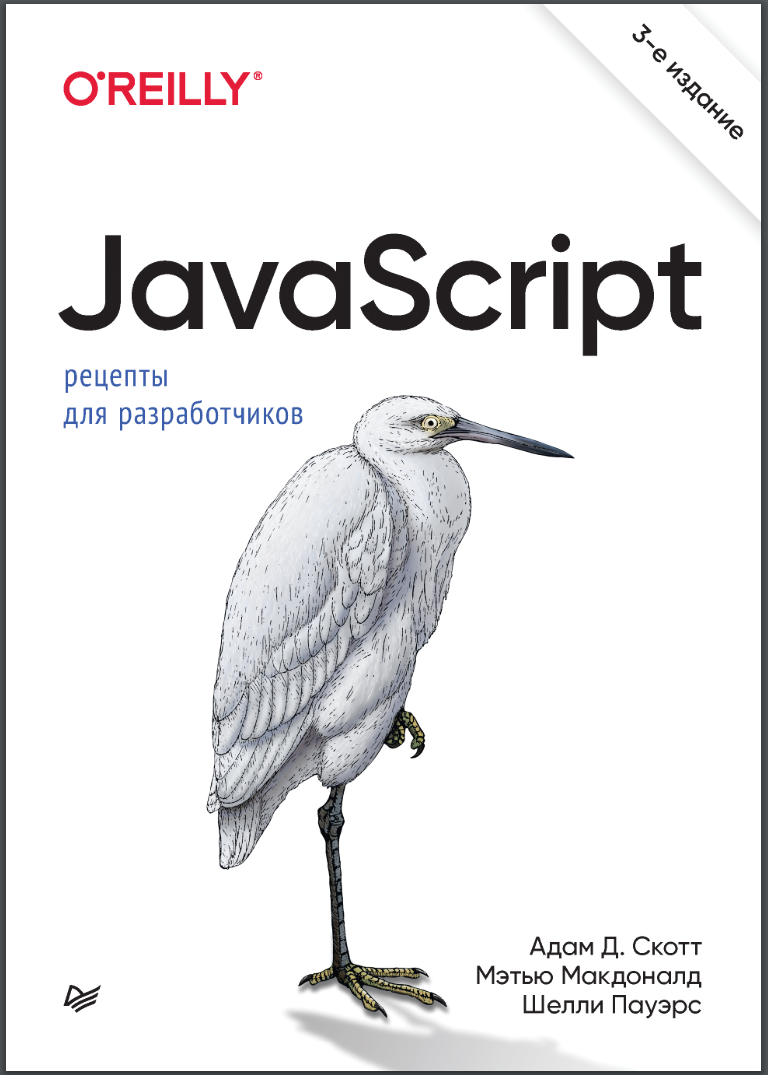 JavaScript. Рецепты для разработчиков. 3 изд
 Become A Ninja With Angular
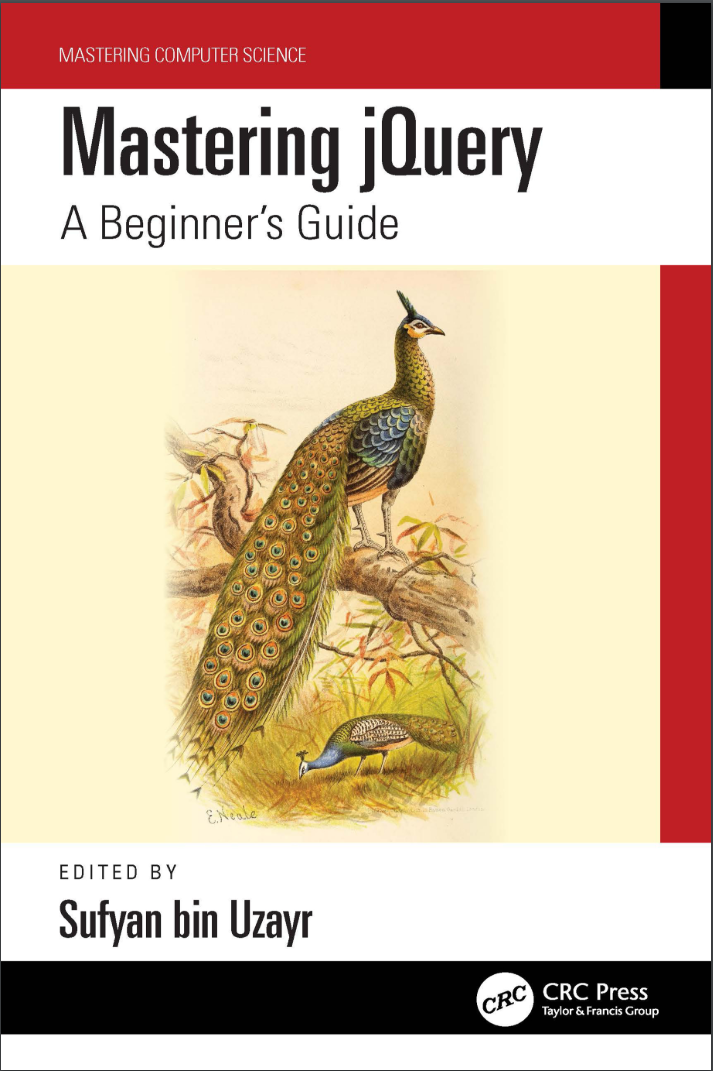 Mastering jQuery: A Beginner’s Guide
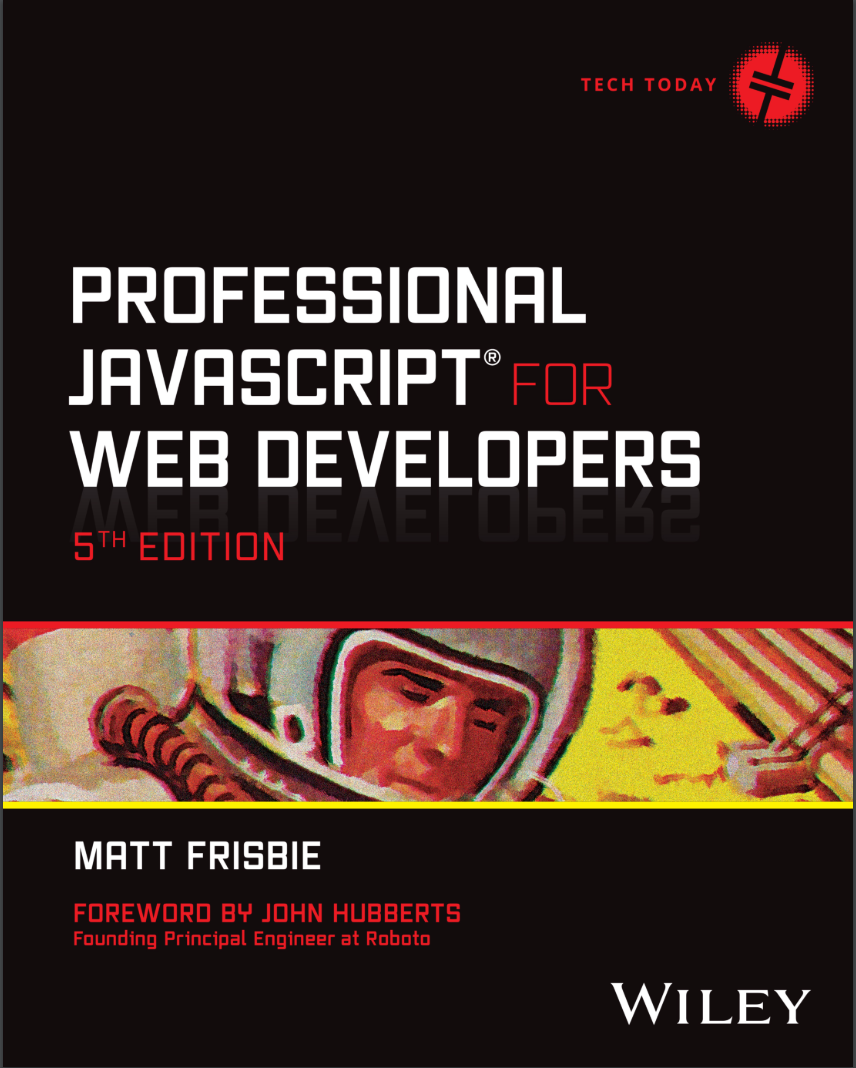 Professional JavaScript for Web Developers. 5 Ed
 React.js Design Patterns: Learn how to build scalable React apps with ease
 Typescript and JavaScript Coding Made Simple 2 Books in 1: A Beginner’s Guide to Programming
 React. Сборник рецептов. Практические приемы работы с фреймворком React
 JavaScript. Полное руководство: Справочник по самому популярному языку программирования. 7 изд