100 Go Mistakes and How to Avoid Them

Оглавление⌄
100 Go Mistakes....1 contents....8 preface....14 acknowledgments....15 about this book....16 Who should read this book....16 How this book is organized: A roadmap....16 About the code....17 liveBook discussion forum....18 about the author....19 about the cover illustration....20 1 Go: Simple to learn but hard to master....21 1.1 Go outline....22 1.2 Simple doesn’t mean easy....23 1.3 100 Go mistakes....24 1.3.1 Bugs....24 1.3.2 Needless complexity....25 1.3.3 Weaker readability....25 1.3.4 Suboptimal or unidiomatic organization....25 1.3.5 Lack of API convenience....26 1.3.6 Under-optimized code....26 1.3.7 Lack of productivity....26 Summary....26 2 Code and project organization....27 2.1 #1: Unintended variable shadowing....27 2.2 #2: Unnecessary nested code....29 2.3 #3: Misusing init functions....32 2.3.1 Concepts....32 2.3.2 When to use init functions....35 2.4 #4: Overusing getters and setters....37 2.5 #5: Interface pollution....38 2.5.1 Concepts....38 2.5.2 When to use interfaces....41 2.5.3 Interface pollution....44 2.6 #6: Interface on the producer side....45 2.7 #7: Returning interfaces....47 2.8 #8: any says nothing....48 2.9 #9: Being confused about when to use generics....51 2.9.1 Concepts....51 2.9.2 Common uses and misuses....54 2.10 #10: Not being aware of the possible problems with type embedding....56 2.11 #11: Not using the functional options pattern....60 2.11.1 Config struct....61 2.11.2 Builder pattern....62 2.11.3 Functional options pattern....64 2.12 #12: Project misorganization....66 2.12.1 Project structure....66 2.12.2 Package organization....67 2.13 #13: Creating utility packages....68 2.14 #14: Ignoring package name collisions....70 2.15 #15: Missing code documentation....71 2.16 #16: Not using linters....73 Summary....74 3 Data types....76 3.1 #17: Creating confusion with octal literals....76 3.2 #18: Neglecting integer overflows....77 3.2.1 Concepts....78 3.2.2 Detecting integer overflow when incrementing....79 3.2.3 Detecting integer overflows during addition....80 3.2.4 Detecting an integer overflow during multiplication....80 3.3 #19: Not understanding floating points....81 3.4 #20: Not understanding slice length and capacity....84 3.5 #21: Inefficient slice initialization....88 3.6 #22: Being confused about nil vs. empty slices....91 3.7 #23: Not properly checking if a slice is empty....94 3.8 #24: Not making slice copies correctly....96 3.9 #25: Unexpected side effects using slice append....97 3.10 #26: Slices and memory leaks....100 3.10.1 Leaking capacity....100 3.10.2 Slice and pointers....101 3.11 #27: Inefficient map initialization....104 3.11.1 Concepts....104 3.11.2 Initialization....106 3.12 #28: Maps and memory leaks....107 3.13 #29: Comparing values incorrectly....110 Summary....113 4 Control structures....115 4.1 #30: Ignoring the fact that elements are copied in range loops....115 4.1.1 Concepts....116 4.1.2 Value copy....116 4.2 #31: Ignoring how arguments are evaluated in range loops....118 4.2.1 Channels....120 4.2.2 Array....120 4.3 #32: Ignoring the impact of using pointer elements in range loops....122 4.4 #33: Making wrong assumptions during map iterations....125 4.4.1 Ordering....125 4.4.2 Map insert during iteration....127 4.5 #34: Ignoring how the break statement works....128 4.6 #35: Using defer inside a loop....130 Summary....132 5 Strings....133 5.1 #36: Not understanding the concept of a rune....134 5.2 #37: Inaccurate string iteration....135 5.3 #38: Misusing trim functions....138 5.4 #39: Under-optimized string concatenation....139 5.5 #40: Useless string conversions....141 5.6 #41: Substrings and memory leaks....143 Summary....145 6 Functions and methods....146 6.1 #42: Not knowing which type of receiver to use....147 6.2 #43: Never using named result parameters....149 6.3 #44: Unintended side effects with named result parameters....152 6.4 #45: Returning a nil receiver....153 6.5 #46: Using a filename as a function input....156 6.6 #47: Ignoring how defer arguments and receivers are evaluated....158 6.6.1 Argument evaluation....158 6.6.2 Pointer and value receivers....161 Summary....162 7 Error management....163 7.1 #48: Panicking....163 7.2 #49: Ignoring when to wrap an error....166 7.3 #50: Checking an error type inaccurately....169 7.4 #51: Checking an error value inaccurately....172 7.5 #52: Handling an error twice....174 7.6 #53: Not handling an error....176 7.7 #54: Not handling defer errors....178 Summary....180 8 Concurrency: Foundations....182 8.1 #55: Mixing up concurrency and parallelism....183 8.2 #56: Thinking concurrency is always faster....186 8.2.1 Go scheduling....186 8.2.2 Parallel merge sort....189 8.3 #57: Being puzzled about when to use channels or mutexes....193 8.4 #58: Not understanding race problems....194 8.4.1 Data races vs. race conditions....194 8.4.2 The Go memory model....199 8.5 #59: Not understanding the concurrency impacts of a workload type....201 8.6 #60: Misunderstanding Go contexts....206 8.6.1 Deadline....206 8.6.2 Cancellation signals....207 8.6.3 Context values....208 8.6.4 Catching a context cancellation....210 Summary....212 9 Concurrency: Practice....213 9.1 #61: Propagating an inappropriate context....213 9.2 #62: Starting a goroutine without knowing when to stop it....216 9.3 #63: Not being careful with goroutines and loop variables....218 9.4 #64: Expecting deterministic behavior using select and channels....220 9.5 #65: Not using notification channels....224 9.6 #66: Not using nil channels....225 9.7 #67: Being puzzled about channel size....231 9.8 #68: Forgetting about possible side effects with string formatting....233 9.8.1 etcd data race....233 9.8.2 Deadlock....234 9.9 #69: Creating data races with append....236 9.10 #70: Using mutexes inaccurately with slices and maps....238 9.11 #71: Misusing sync.WaitGroup....241 9.12 #72: Forgetting about sync.Cond....243 9.13 #73: Not using errgroup....248 9.14 #74: Copying a sync type....251 Summary....253 10 The standard library....254 10.1 #75: Providing a wrong time duration....255 10.2 #76: time.After and memory leaks....255 10.3 #77: Common JSON-handling mistakes....258 10.3.1 Unexpected behavior due to type embedding....258 10.3.2 JSON and the monotonic clock....260 10.3.3 Map of any....263 10.4 #78: Common SQL mistakes....264 10.4.1 Forgetting that sql.Open doesn’t necessarily establish connections to a database....264 10.4.2 Forgetting about connections pooling....265 10.4.3 Not using prepared statements....266 10.4.4 Mishandling null values....267 10.4.5 Not handling row iteration errors....268 10.5 #79: Not closing transient resources....269 10.5.1 HTTP body....270 10.5.2 sql.Rows....272 10.5.3 os.File....273 10.6 #80: Forgetting the return statement after replying to an HTTP request....275 10.7 #81: Using the default HTTP client and server....276 10.7.1 HTTP client....276 10.7.2 HTTP server....279 Summary....280 11 Testing....282 11.1 #82: Not categorizing tests....282 11.1.1 Build tags....283 11.1.2 Environment variables....284 11.1.3 Short mode....285 11.2 #83: Not enabling the -race flag....286 11.3 #84: Not using test execution modes....288 11.3.1 The parallel flag....289 11.3.2 The -shuffle flag....290 11.4 #85: Not using table-driven tests....291 11.5 #86: Sleeping in unit tests....294 11.6 #87: Not dealing with the time API efficiently....298 11.7 #88: Not using testing utility packages....301 11.7.1 The httptest package....301 11.7.2 The iotest package....303 11.8 #89: Writing inaccurate benchmarks....305 11.8.1 Not resetting or pausing the timer....306 11.8.2 Making wrong assumptions about micro-benchmarks....307 11.8.3 Not being careful about compiler optimizations....309 11.8.4 Being fooled by the observer effect....311 11.9 #90: Not exploring all the Go testing features....314 11.9.1 Code coverage....314 11.9.2 Testing from a different package....315 11.9.3 Utility functions....315 11.9.4 Setup and teardown....316 Summary....317 12 Optimizations....319 12.1 #91: Not understanding CPU caches....320 12.1.1 CPU architecture....320 12.1.2 Cache line....321 12.1.3 Slice of structs vs. struct of slices....324 12.1.4 Predictability....325 12.1.5 Cache placement policy....327 12.2 #92: Writing concurrent code that leads to false sharing....332 12.3 #93: Not taking into account instruction-level parallelism....335 12.4 #94: Not being aware of data alignment....341 12.5 #95: Not understanding stack vs. heap....344 12.5.1 Stack vs. heap....344 12.5.2 Escape analysis....349 12.6 #96: Not knowing how to reduce allocations....351 12.6.1 API changes....351 12.6.2 Compiler optimizations....352 12.6.3 sync.Pool....352 12.7 #97: Not relying on inlining....354 12.8 #98: Not using Go diagnostics tooling....357 12.8.1 Profiling....357 12.8.2 Execution tracer....364 12.9 #99: Not understanding how the GC works....367 12.9.1 Concepts....367 12.9.2 Examples....369 12.10 #100: Not understanding the impacts of running Go in Docker and Kubernetes....372 Summary....374 Final words....375 index....377 A....377 B....377 C....377 D....378 E....379 F....379 G....379 H....380 I....380 J....380 L....380 M....380 N....381 O....381 P....381 R....382 S....382 T....383 U....383 V....384 W....384 100 Go Mistakes - back....385
Описание
В этом материале разберём тему: your.
You’ll explore key areas of the language such as concurrency, testing, data structures, and more—and learn how to avoid and fix mistakes in your own projects. 100 Go Mistakes and How to Avoid Them puts a spotlight on common errors in Go code you might not even know you’re making. As you go, you’ll navigate the tricky bits of handling JSON data and HTTP services, discover best practices for Go code organization, and learn how to use slices efficiently.
About the technologyUnderstanding mistakes is the best way to improve the quality of your code. This unique book examines 100 bugs and inefficiencies common to Go applications, along with tips and techniques to avoid making them in your own projects.
In it, you’ll explore dozens of interesting examples and case studies as you learn to spot mistakes that might appear in your own applications. About the book100 Go Mistakes and How to Avoid Them shows you how to replace common programming problems in Go with idiomatic, expressive code. Expert author Teiva Harsanyi organizes the error avoidance techniques into convenient categories, ranging from types and strings to concurrency and testing.
What's insideIdentify and squash code-level bugsAvoid problems with application structure and designPerfect your data and control structuresOptimize your code by eliminating inefficiencies Spot errors in your Go code you didn’t even know you were making and boost your productivity by avoiding common mistakes and pitfalls.100 Go Mistakes and How to Avoid Them shows you how to:
Dodge the most common mistakes made by Go developersStructure and organize your Go applicationHandle data and control structures efficientlyDeal with errors in an idiomatic mannerImprove your concurrency skillsOptimize your codeMake your application production-ready and improve testing quality
Если материал оказался полезен — сохраните страницу.
Поделиться
Частые вопросы
Можно ли скачать «100 Go Mistakes and How to Avoid Them» бесплатно?
Да, «100 Go Mistakes and How to Avoid Them» доступна для бесплатного скачивания на нашем сайте в формате PDF. Ссылка на файл находится на этой странице.
В каком формате и какого размера файл?
Книга предоставляется в формате PDF, размер файла 3,9 МБ.
Кто автор и когда вышла книга?
автор — Harsanyi Teiva, издательство Manning Publications Co., год выпуска 2022, 385 страниц.
О чём книга «100 Go Mistakes and How to Avoid Them»?
100 Go Mistakes and How to Avoid Them puts a spotlight on common errors in Go code you might not even know you’re making.
Похожие материалы
 Облачный Go. Создание надежных служб в ненадежных окружениях
 Pro Go. Полное руководство по программированию надежного и эффективного программного обеспечения с использованием Golang
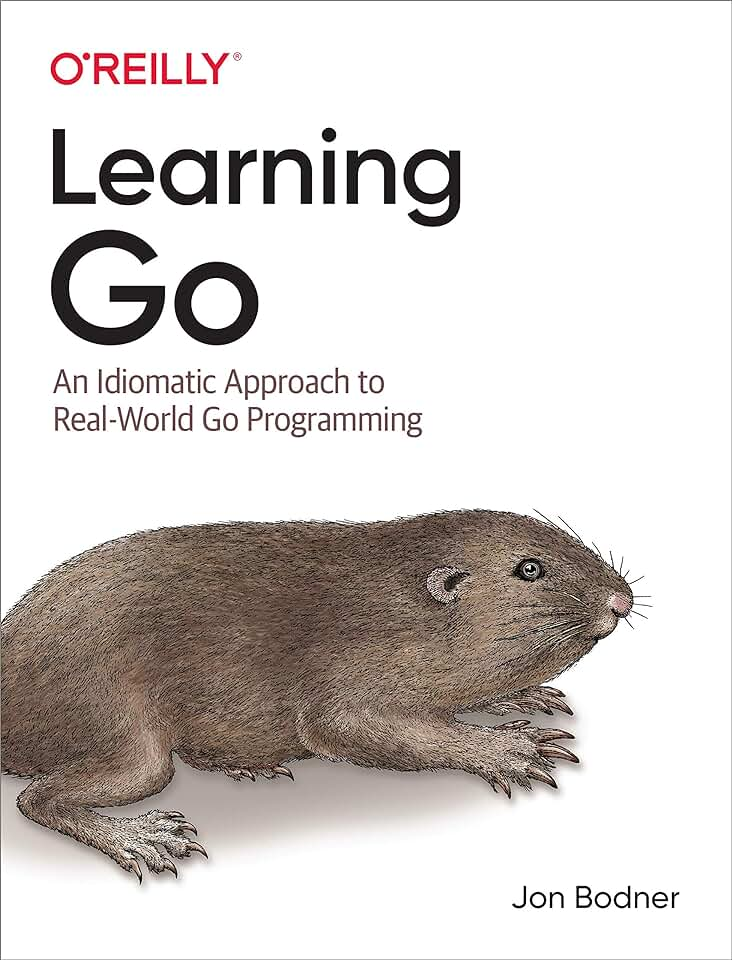 Learning Go: An Idiomatic Approach to Real-World Go Programming
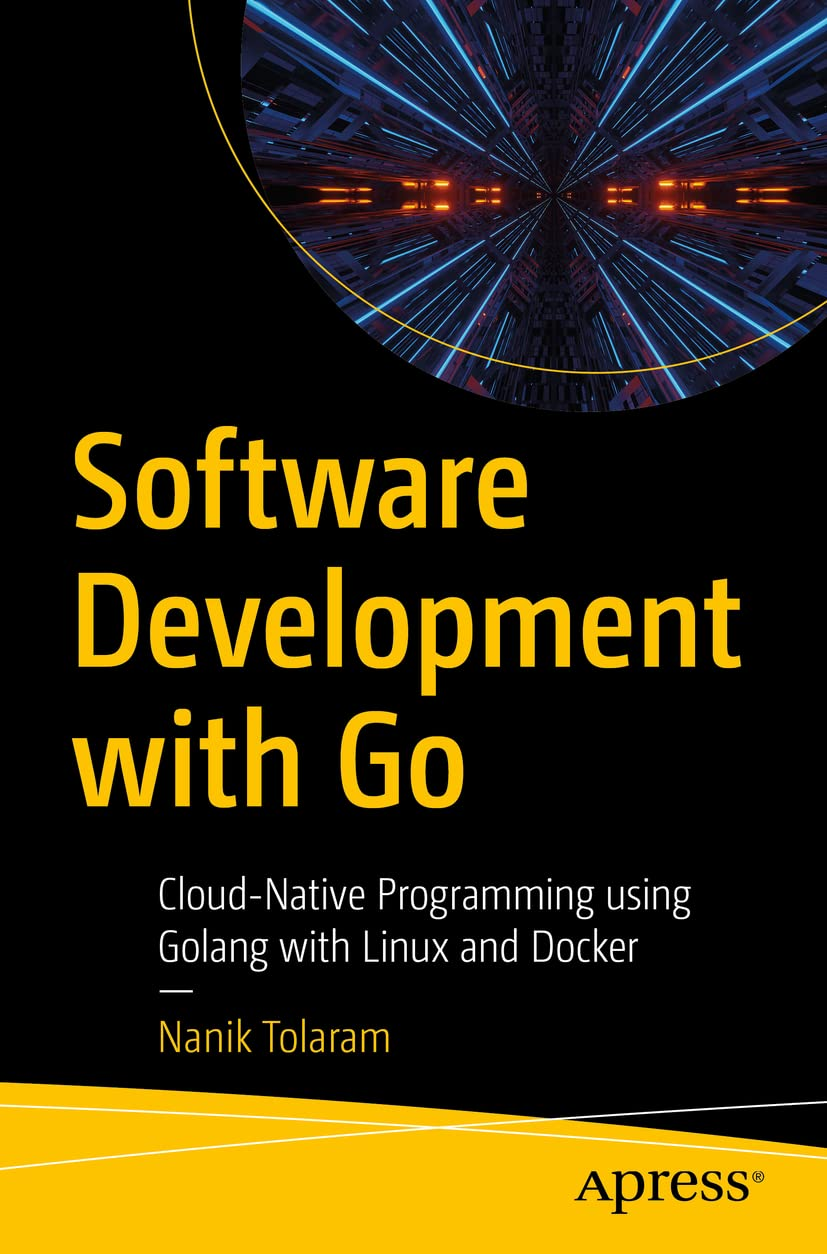 Software Development with Go: Cloud-Native Programming using Golang with Linux and Docker
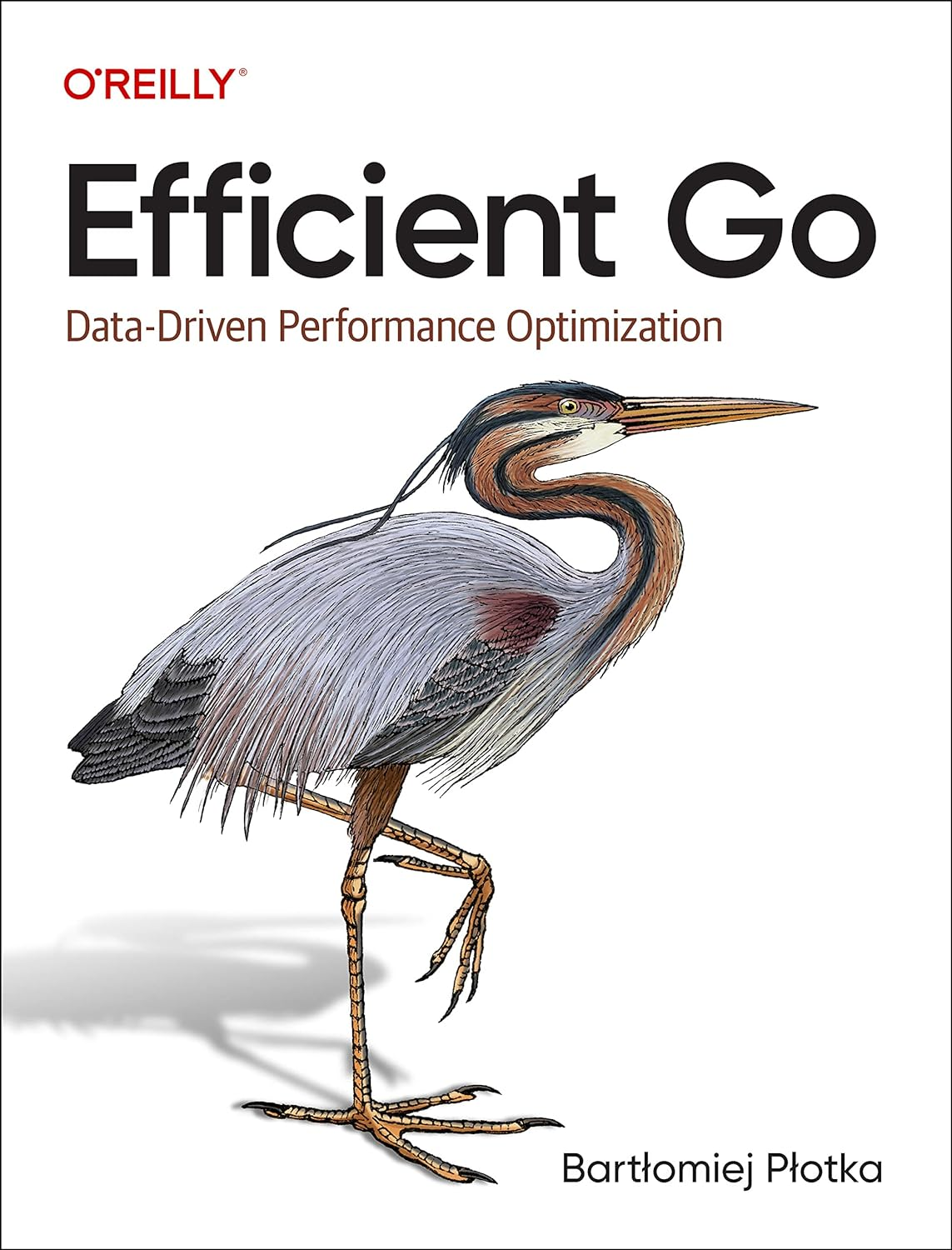 Efficient Go: Data-Driven Performance Optimization
 Black Hat Go: Программирование для хакеров и пентестеров
 Microservices with Go: Building scalable and reliable microservices with Go
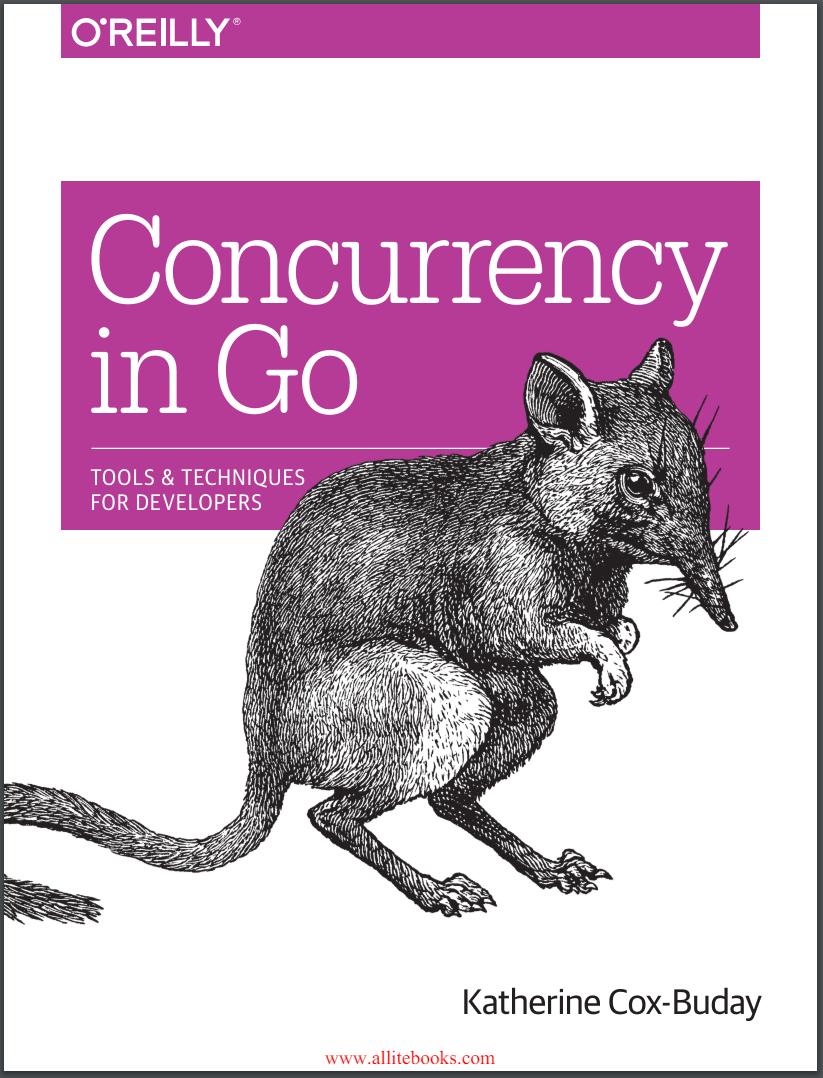 Concurrency in Go: Tools and Techniques for Developers